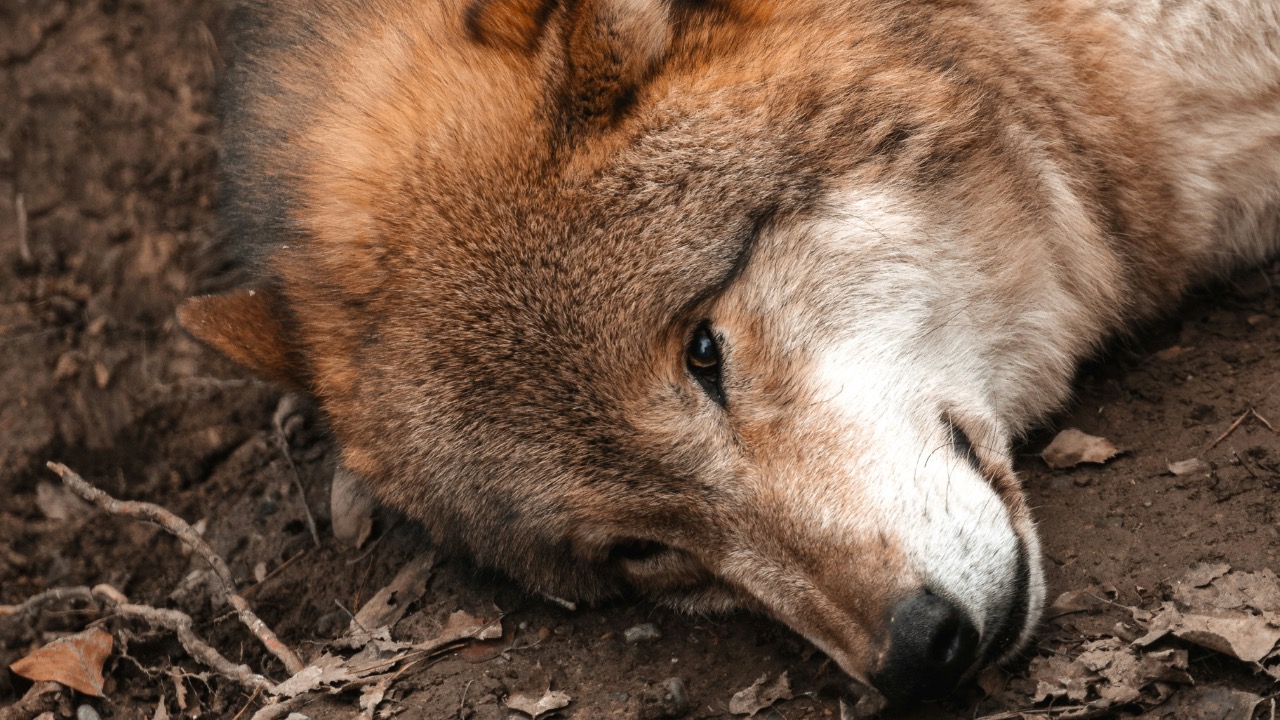
Wyoming Man Who Injured Wolf, Taped Its Mouth Shut and Killed It Receives Probation
A Wyoming hunter’s disturbing encounter with a gray wolf has left many wondering how the justice system handles cases like this.
You read the headline and it sticks with you. In a state where wolves roam the remote landscapes, one man’s actions crossed a line that most people would never imagine. Cody Roberts, a 44-year-old from the Pinedale area, faced felony animal cruelty charges after an incident in February 2024 that involved a snowmobile, duct tape, and a rural bar. Now, years later, a judge has handed down his sentence. It is not prison time. Instead, it is probation, along with some restrictions meant to keep him in check. The outcome has people talking about accountability, wildlife, and what the law actually requires in situations this ugly.
The night a snowmobile changed everything

Back in February 2024, Roberts was out on his snowmobile near Daniel, a tiny Wyoming town of about 150 residents. He struck a gray wolf. Rather than leave the animal or report the collision, he took a different path. He taped the wounded creature’s mouth shut to restrain it. Then he loaded the injured wolf and carried it into a local bar. People inside saw the animal on the floor, still alive but barely moving. Photos from that night show Roberts posing with the wolf. Later, he shot and killed the animal behind the tavern. Those details emerged slowly, but once they did, they fueled a firestorm.
The sequence sounds almost unbelievable when you lay it out. A living wolf, suffering from the impact, ends up as some kind of trophy inside a bar. Video footage captured the scene, showing the animal’s condition clearly. Roberts initially received only a minor citation for illegally possessing the wolf while it was alive. That light touch did not sit well with many who learned the full story.
How authorities first responded
At first, law enforcement treated the matter as a relatively straightforward wildlife violation. Roberts got slapped with a small fine. No one pursued felony charges right away, even after photos and video started circulating. The case sat quietly until public pressure built. Eventually, prosecutors charged him with felony animal cruelty. Wyoming law defines the offense in a way that covers this kind of treatment, though some argued at the time that the statute was too broad.
You can imagine the frustration. A man drags an injured predator into a bar for show, and the system seems slow to react. Court documents later spelled out the facts plainly. The wolf had been hit, muzzled, displayed, and then killed. Those elements formed the core of the case against Roberts.
The legal back-and-forth before sentencing
Roberts did not plead guilty immediately. He entered a not-guilty plea and even filed a motion asking the court to throw out the charges. His lawyers contended that the animal cruelty law did not clearly apply to wild wolves. The case headed toward a trial scheduled for March. Then, in February 2026, he reached a plea agreement with prosecutors. By March, he stood in court, changed his plea to guilty, and expressed remorse. He apologized to his family and the community for what he had done.
That courtroom moment marked a turning point. Instead of a full trial with witnesses and graphic evidence, the case wrapped up through negotiation. The prosecutor, Clayton Melinkovich, later said the state viewed the resolution as appropriate given all the circumstances. Still, he acknowledged that some folks felt disappointed by the result.
What the judge decided in Pinedale
District Judge Richard Lavery presided over the sentencing in Pinedale on April 8. He gave Roberts 18 months of supervised probation and a $1,000 fine. The typical penalty for this felony runs 18 to 24 months in prison plus a larger fine, but the judge suspended that in favor of probation. During those 18 months, Roberts cannot drink alcohol, enter any bar or liquor store, or go hunting or fishing. Those conditions aim to limit the chances of anything similar happening again.
The judge was direct about the case. He told the courtroom the charge itself was disturbing. His ruling followed the plea deal, balancing the severity of the acts with the legal framework available. No jail time. No additional restitution beyond the fine. Just probation and a set of rules designed to keep Roberts away from the behaviors that led him here.
Why this story hit such a nerve
News of the incident spread quickly once the photos and video surfaced. People across Wyoming and beyond reacted with anger. Many called the treatment cruel and unnecessary. Animal welfare advocates pointed out that the wolf suffered needlessly. Even some hunters who regularly deal with predators said the bar stunt went too far. The public saw it as more than a simple wildlife accident. It looked like deliberate mistreatment for entertainment.
Social media and local discussions amplified the outrage. Calls grew louder for tougher penalties in animal cruelty cases involving wildlife. The fact that the wolf was still alive when it entered the bar made the images especially hard to shake. It turned a remote hunting mishap into a statewide conversation about respect for animals and personal responsibility.
Wyoming’s complicated relationship with wolves
Gray wolves occupy a unique place in Wyoming. The state allows broad methods for killing them and other predators across most of its land. That policy stems from efforts to manage livestock conflicts and balance wildlife populations. Wolves can be hunted or trapped under certain rules, but the law still draws a line against outright cruelty. Roberts’ actions tested where that line sits.
The case has prompted fresh talk about whether current statutes need tightening. Some lawmakers have started looking at changes that could impose stricter consequences for extreme cases. At the same time, defenders of the existing system argue that the plea deal reflects the realities of rural enforcement and prosecutorial discretion. The tension between those views sits at the heart of the debate.
What the sentence means for the future
Roberts will spend the next year and a half under supervision. If he follows the rules—no bars, no booze, no hunting—he completes his sentence without further punishment. Violate those terms, and he could face the original prison time. The outcome leaves some wondering if the system sends a strong enough message. Others see it as a measured response that avoids turning one bad night into a ruined life.
For now, the wolf is gone, the bar has moved on, and the small town of Daniel has returned to its quiet rhythm. The case, however, lingers as a reminder. When someone crosses that line with wildlife, the public expects more than a slap on the wrist. Whether this probation satisfies those expectations or falls short remains an open question in conversations across the state.

Asher was raised in the woods and on the water, and it shows. He’s logged more hours behind a rifle and under a heavy pack than most men twice his age.