7 U.S. States With the Largest Livestock Populations
You don’t have to drive far in cattle country to understand how much livestock shapes the land. It’s not only about beef on the table or milk in the cooler—it’s pasture, water, weather, and generations of people figuring out how to make it all work. Some states carry more of that weight than others, and the numbers aren’t even close once you start digging.
When you look at herd sizes, feed infrastructure, and sheer acreage, a handful of states rise to the top. These aren’t small operations strung together—they’re massive systems that move animals, grain, and money year-round. Here’s where the biggest livestock populations are and what that looks like on the ground.
Texas Leads by a Wide Margin
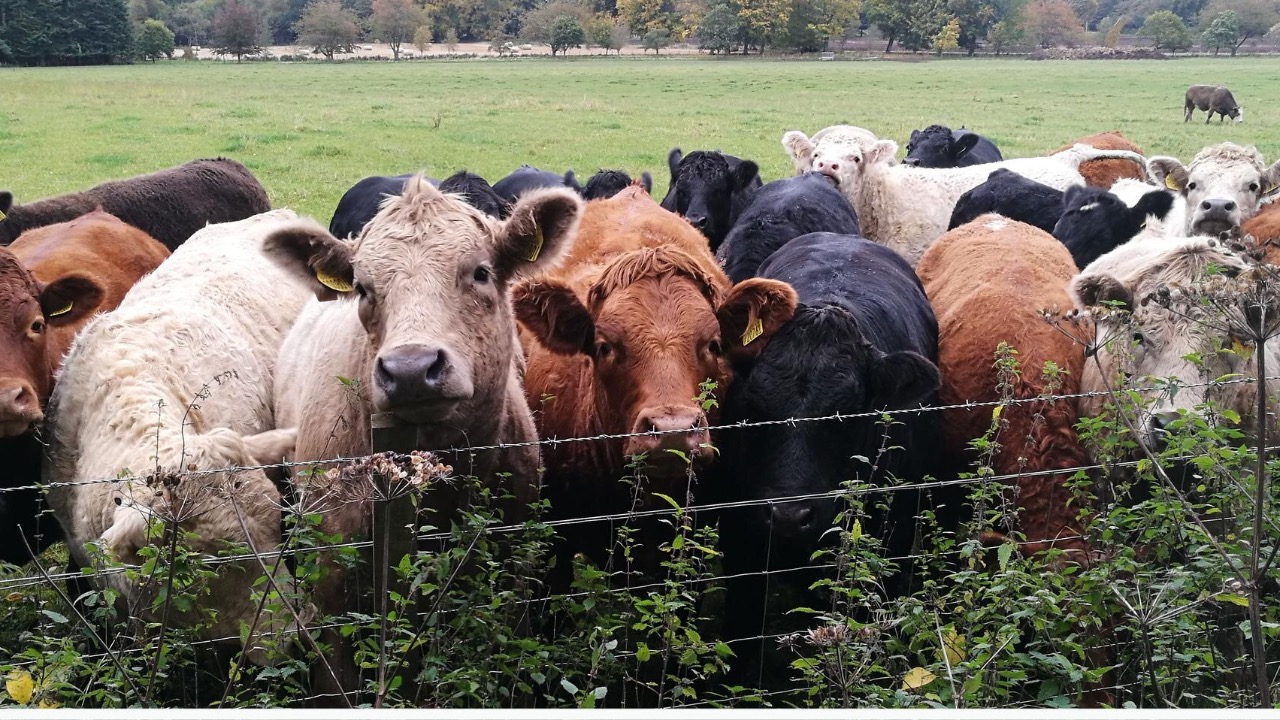
If you’ve spent any time in Texas, you already know cattle are part of the landscape. The state holds the largest beef cattle population in the country, with tens of millions of head spread across ranches that can stretch for miles.
What stands out isn’t only the size—it’s the variety. You’ll find cow-calf operations, stockers, and large feedlots all working together. The climate allows for year-round grazing in many areas, which keeps the system moving. When you’re talking livestock at scale, Texas isn’t competing with other states—it’s setting the pace.
Nebraska Is Built Around Feed and Finish
Up in Nebraska, cattle numbers stay high thanks to one thing: feed. Corn production drives the system, and that grain supports some of the largest feedlots in the country.
You’re looking at a state that specializes in finishing cattle. Animals come in from other regions, are fed out on grain, and then move to processing. It’s efficient and tightly organized. The landscape reflects that, with feedyards, irrigated fields, and infrastructure designed to handle serious volume without a lot of wasted motion.
Kansas Balances Ranching and Feedlots
Kansas sits right in the middle of cattle country, and it shows. You’ll find both grazing operations and major feedlots working side by side.
That balance gives Kansas an edge. Calves can be raised locally or shipped in, then finished on grain grown nearby. The terrain and climate support both sides of the operation. It’s not flashy, but it’s steady, and that consistency keeps Kansas near the top when it comes to total livestock numbers.
California Dominates Dairy Production
Most people don’t picture California when they think livestock, but the numbers say otherwise. The state leads the nation in dairy cattle, and the scale is hard to ignore.
Large dairies run year-round, supported by a steady feed supply and a strong processing network. You’re dealing with high-output operations where efficiency matters every day. While beef cattle are present, it’s milk production that drives California’s livestock totals, putting it firmly in the top tier.
Iowa Turns Corn Into Livestock
In Iowa, livestock ties directly to row crops. Corn and soybeans dominate the fields, and much of that grain feeds animals—especially hogs.
Iowa leads the country in pork production by a wide margin. Hog barns are common, and they’re run with a level of precision that keeps output steady. Cattle are part of the picture too, but it’s the hog numbers that push Iowa into the conversation when you’re talking about sheer livestock volume.
Oklahoma Keeps Strong Cattle Numbers
Right below Kansas, Oklahoma holds its own with a large cattle population and a mix of grazing and feedlot operations.
The state benefits from open land and a climate that supports pasture for much of the year. You’ll see cow-calf operations spread out across big country, along with growing finishing capacity. It may not match Texas, but Oklahoma consistently ranks high because of its ability to produce and hold cattle at scale.
Missouri Mixes Cattle With Versatility
Missouri doesn’t always get the same attention, but it carries a significant cattle population, especially in cow-calf operations.
The terrain supports pasture, and smaller operations are common compared to the massive ranches out West. That doesn’t mean the numbers are small—it means they’re spread out. Missouri also mixes in hogs and poultry, giving it a more varied livestock profile. That flexibility keeps it firmly among the top states when total animals are counted.
When you step back and look at it, livestock in this country isn’t evenly spread—it clusters where land, feed, and infrastructure line up. These states figured out that equation a long time ago, and they’ve kept building on it ever since.

Asher was raised in the woods and on the water, and it shows. He’s logged more hours behind a rifle and under a heavy pack than most men twice his age.