Second Amendment supporters respond sharply to Noem’s comments
The shooting of Alex Pretti in Minneapolis has turned into a stress test for how far the Trump administration is willing to go in criticizing an armed citizen, and how quickly Second Amendment supporters will push back. When Homeland Security Secretary Kristi Noem and FBI Director Kash Patel framed Pretti’s presence at a protest as proof of a violent threat, gun owners heard something very different: a swipe at the basic right to carry. The sharp response from gun rights groups shows how little room top Republicans now have to misstep on firearms without angering a base they usually count on.
Instead of rallying around the administration, many of the most vocal defenders of the Second Amendment lined up behind Pretti and against Noem’s comments. They argue that if a man with a valid permit can be painted as a rioter for simply having a handgun holstered under his shirt, then the ground under every concealed carrier just shifted. I see this as more than a one-off controversy; it is a warning shot inside the pro-gun movement about who gets to define “lawful carry” in a tense public square.
The Minneapolis shooting that lit the fuse
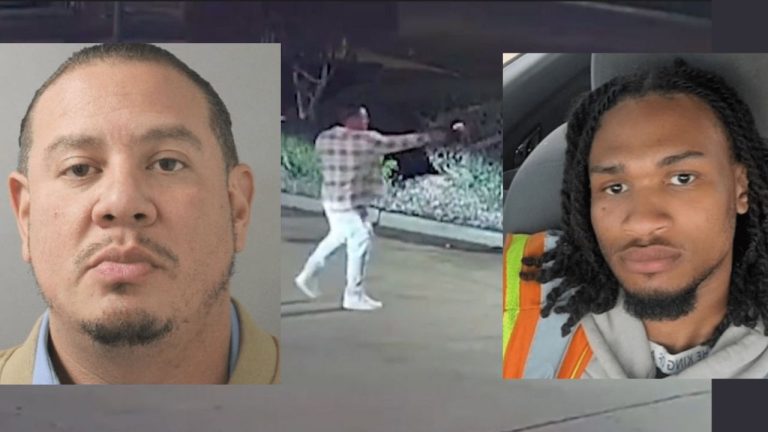
The chain reaction started on a Minneapolis street, where Alex Pretti showed up at a protest and ended up dead after a confrontation with federal agents. According to bystanders, he was there as a supporter of the demonstration, not as an agitator, and he had a legal concealed carry pistol tucked in his waistband. Witnesses say that in the crucial moments before shots were fired, Pretti was holding a cellphone and helping a woman who had been pepper sprayed, not brandishing a weapon or threatening anyone around him. Those details matter, because they go straight to whether he was an armed aggressor or a citizen who happened to be armed.
Bystander accounts and video clips that surfaced afterward undercut early claims that Pretti had pointed a gun or waved it around in the crowd. One detailed report notes that bystander videos contradicted each claim that he had drawn his firearm, instead showing Pretti holding that phone and assisting the woman right before the shooting started. Another account from the scene describes how “Keith Storm He” and others watched agents swarm Pretti, with one agent tackling him and another firing the fatal shots, while the pistol stayed concealed in his waistband the entire time, a sequence that was later debated in a heated comment thread. For gun owners who watched those clips, the story looked less like a riot and more like a carry permit holder caught in the worst possible situation.
Noem’s “violent riot” framing and why it stung
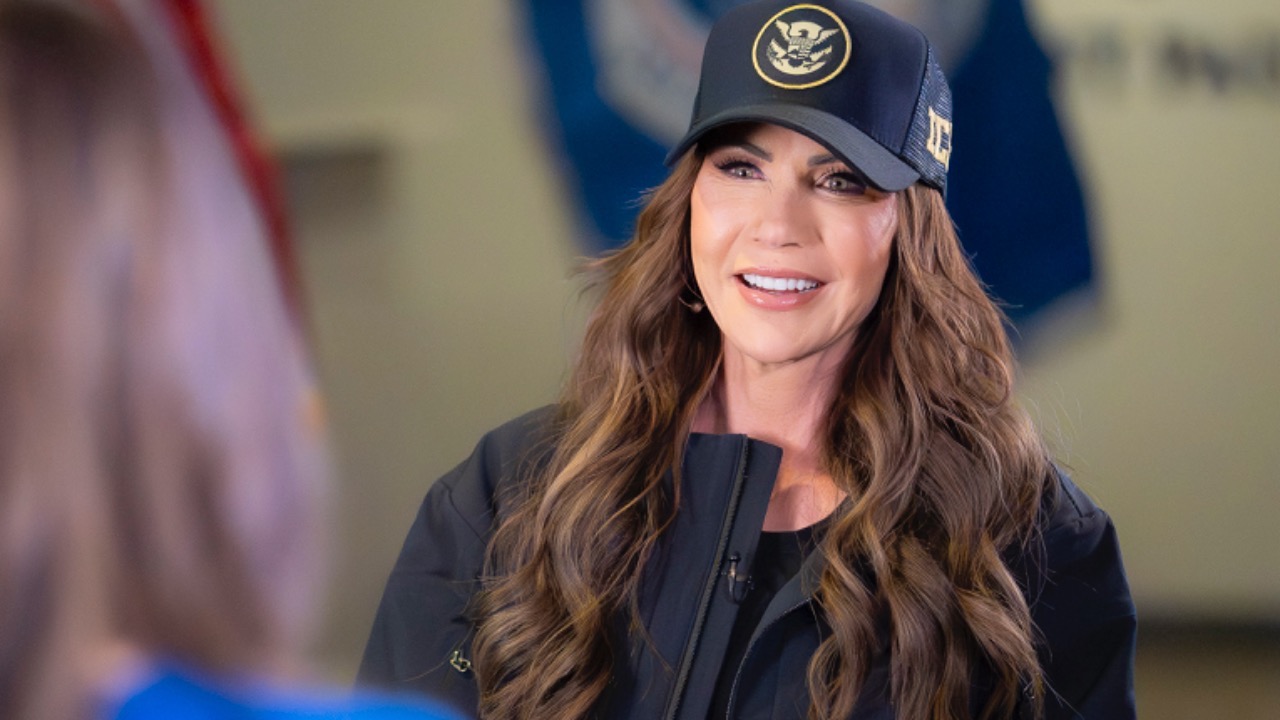
Homeland Security Kristi Noem did not wait long to weigh in, and her language landed hard with people who carry. In a televised interview, she described the Minneapolis scene as “a violent riot” and pointed to Pretti “showing up with weapons” as proof that the protest had crossed a line. She argued that “you cannot bring a firearm” into that kind of charged environment and still claim to be a peaceful participant, effectively treating the presence of a holstered handgun as evidence of bad intent. For a cabinet official who has often spoken warmly about gun culture, that sounded to many like a sudden turn.
Gun rights advocates seized on the way Noem blurred the line between being armed and being violent. One detailed account of the backlash notes that multiple gun rights groups criticized Homeland Security Kristi for portraying Pretti as a threat simply because he had a gun at his side. To people who carry every day, that framing sounded like something they expect from big city prosecutors, not from a Republican security chief. The sting was not only in what she said about this one case, but in the precedent it seemed to set: if a legal carrier at a protest can be labeled part of a “violent riot,” then any armed citizen in a crowd could be painted with the same brush.
Kash Patel’s legal misfire and Minnesota gun law
FBI Director Kash Patel added fuel to the fire when he tried to explain why agents saw Pretti as a threat. Patel suggested that simply having a gun at the protest was itself a violation, implying that Minnesota law did not allow that kind of carry in a demonstration setting. For people who know the state’s statutes, that claim sounded off from the start. Minnesota is not a constitutional carry state, but it does allow permitted concealed carry in public, including at protests, unless a specific restricted location is involved.
The Minnesota Gun Owners Caucus did not let that point slide. The group publicly rejected Patel’s claim outright, calling the FBI director’s statement “completely incorrect on Minnesota law” and accusing him of misreading or misrepresenting what the statutes actually say about where a permit holder can carry. One detailed report on the controversy notes that Minnesota Gun Owners accused Patel and the FBI of either misunderstanding or misrepresenting Minnesota carry law, and that criticism spread quickly through gun forums and local talk radio. When the nation’s top law enforcement official gets the basics of state gun law wrong in public, it rattles people who depend on those rules to stay on the right side of the line.
Gun groups close ranks around Pretti
Once Noem and Patel’s comments were out in the wild, national and state-level gun groups moved quickly to defend Pretti and to push back on the administration’s narrative. Organizations that usually spend their time fighting new legislation suddenly found themselves correcting the president’s own appointees about what the Second Amendment protects. They argued that Pretti was doing what many of them teach in classes and at the range: carrying a concealed handgun lawfully, keeping it holstered, and focusing on de-escalation rather than confrontation. In their view, that should have made him the model of responsible carry, not a poster child for a “violent riot.”
One statement that got a lot of attention came from a gun rights group that said, “While we agree you can’t interfere with law enforcement, you absolutely have the right to carry the tools for self-defense while” attending a protest or moving through a public space. That line, shared widely on social media, was part of a broader pushback in which gun groups insisted that Pretti’s permit and behavior put him squarely within the law. Reporting on the controversy notes that these groups used that “While we agree” phrasing in a public letter that criticized the administration’s comments and defended the right to carry at protests, a letter later highlighted in coverage of how gun rights groups pushed back. For many of these organizations, the Pretti case became a rallying point to restate a basic principle: carrying a gun is not, by itself, a crime.
“Peaceful protester” vs “guy with a gun”
At the heart of this fight is a simple but loaded question: can you be both a peaceful protester and a person with a gun on your hip. Noem answered that question one way when she said, “I don’t know of any peaceful protesters that shows up with a gun and ammunition rather than a sign,” and contrasted Pretti’s presence with her own claim that “when I protested, I brought a billboard.” That line drew a bright line between the image of a sign-waving demonstrator and someone who carries a pistol, as if the two roles cannot overlap. For people who have marched while carrying, especially in open carry states, that sounded like a direct insult.
Gun rights groups responded by arguing that the First and Second Amendments are not mutually exclusive. They pointed out that many protests, especially in rural areas, include hunters, veterans, and permit holders who carry daily and see no reason to disarm when they step into a crowd. Coverage of the backlash notes that these groups specifically criticized the Department of Homeland framing that treated a holstered gun as incompatible with peaceful assembly. From their perspective, the real test of a peaceful protester is behavior, not what is hidden under a jacket. If the standard shifts to “no guns allowed in any protest,” then a lot of rural and suburban Americans will feel like their rights are being carved up to fit an urban comfort level.
Legal advocates warn of a dangerous precedent
Beyond the political noise, the Pretti case has alarmed lawyers who spend their careers defending gun rights. William Sack, legal director of the Second Amendment Foundation, said he was surprised and disappointed by the administration’s instinct to side with agents and against a permit holder before all the facts were in. For someone in his position, the concern is not only about this one shooting, but about the legal precedent that could grow out of it. If federal officials can retroactively justify deadly force by pointing to the mere presence of a concealed handgun, then every defensive carrier is one tense encounter away from being labeled a threat.
Sack and others have warned that the administration’s rhetoric could bleed into courtrooms and policy debates. One detailed account of the fallout notes that William Sack described being “surprised and disappointed” by how quickly top officials framed Pretti as a problem rather than a citizen whose rights deserved defending. When the legal director of a major gun rights foundation is using that kind of language about a Republican administration, it signals a deeper worry: that the government is starting to treat lawful carry as a privilege that can be revoked in any tense situation, instead of a right that agents must work around.
Political blowback inside the Republican coalition
The political fallout from Noem and Patel’s comments has been almost as intense as the legal debate. Republicans have long counted on gun owners as a reliable part of their coalition, especially in swing states like Minnesota and Wisconsin. When those same voters start accusing the administration of throwing a permit holder under the bus, it rattles campaign strategists. Some House Republicans have already warned privately that the Pretti case is hurting their efforts to present the party as the unwavering defender of the Second Amendment, especially when clips of Noem’s “violent riot” comments are circulating in gun forums and local Facebook groups.
Reporting on the backlash notes that the House Republican campaign chairman has been warned that the Minnesota killing and the administration’s response risk alienating “a constituency they count on,” a clear reference to gun owners and Second Amendment advocates who usually lean Republican. That warning came alongside broader coverage of how the Minnesota killing has scrambled Second Amendment politics for the Trump administration. When your own base starts talking about “betrayal” and “selling out gun owners,” it is a sign that the usual script of Republicans defending gun rights and Democrats attacking them has gotten a lot more complicated.
How the Pretti case reshapes protest and carry norms
For those of us who carry and who have spent time in crowded public spaces, the Pretti shooting raises hard questions about how to balance self-defense with situational awareness. Many trainers already caution students to avoid protests and large demonstrations if they are armed, not because it is illegal, but because the risk of confusion and escalation is high. The Pretti case will likely harden that advice. If agents and top officials are willing to treat a holstered pistol as proof of violent intent, then the margin for error at a protest shrinks to almost nothing for a concealed carrier.

Asher was raised in the woods and on the water, and it shows. He’s logged more hours behind a rifle and under a heavy pack than most men twice his age.