Gun-show mistakes that cost buyers the most money
Gun shows promise deals, selection, and a chance to handle hardware you will never see in a glass case, but they are also set up to separate unprepared buyers from their cash. The most expensive mistakes are rarely about a single bad price tag, they come from patterns of rushed decisions, poor inspection, and overlooked fine print that quietly drain hundreds of dollars from a weekend that was supposed to save you money. I want to walk through the traps that cost buyers the most, and how to keep your budget intact without killing the fun.
How urgency at the show inflates prices
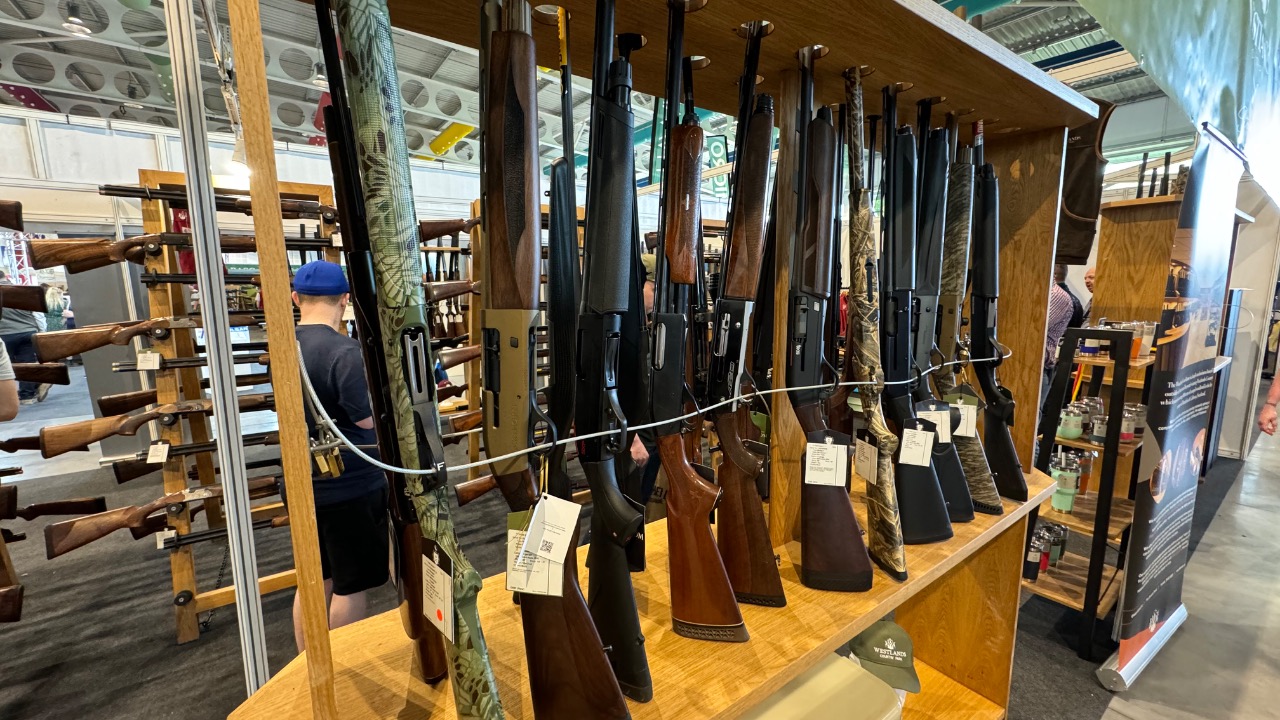
The layout and energy of a busy expo hall are designed to make you feel as if every table holds a once in a lifetime bargain. Limited time cash discounts, handwritten signs that say “today only,” and vendors hinting that inventory will be gone by noon all push you toward decisions you would never make in a calm shop. Reporting on common gun show pitfalls notes that the biggest financial hits come from this manufactured urgency, where buyers skip comparison shopping and pay more than they would at a local store or reputable online dealer for the same model and accessories, simply because they are afraid to walk away from a crowded table of “deals.” I see that pattern repeated in accounts of people who later discover that their “show special” was actually priced above normal retail once the adrenaline wore off and they checked.
That urgency also hides the true cost of the transaction. Some guides to costly gun show habits point out that buyers focus on the sticker price and the cash discount, but ignore the add ons that quietly stack up, from transfer fees to shipping charges when a firearm has to be sent to a home state dealer. One analysis of expensive mistakes stresses how cash discounts and “today only” pitches can mask the fact that you are paying more overall once those extras are included. When the environment is built around speed, the most valuable move is often the least glamorous one, stepping back from the table, checking prices on your phone, and being willing to let a “deal” go if the math does not hold up.
Walking in cold without research
Showing up at a show without doing homework is one of the fastest ways to overpay. If you do not know the going rate for the pistol, rifle, or shotgun you want, you are negotiating blind against people who spend every weekend behind a table. A detailed buyer guide lists “Mistake #1: Not Doing Rese,” and that is not just a beginner’s issue. Even experienced owners get burned when they chase a specific model without checking current street prices, recent manufacturer rebates, or whether a newer generation has quietly pushed down the value of the one on the table in front of them.
Real world stories show how that ignorance plays out. In one thread, a user named Diligent–Parfait–236 describes “Impulse buying things at shops without checking what the price should be,” a mistake that translates directly to the show floor. When you have not looked up recent sales, you cannot tell whether a scratched surplus handgun is a bargain or a money pit. Doing basic research on models, fair prices, and common problem areas before you park the car is the cheapest insurance you can buy.
Impulse buys and the psychology of “show specials”
Impulse is not just a personality quirk, it is a business model. Vendors know that a buyer who walks away to think is less likely to come back, so they lean into tactics that keep you at the table until you say yes. A vendor advice piece explicitly tells sellers that “the last thing you want to do is miss sales because you do not have a way for customers to get their money to you conveniently,” and encourages them to accept cards, mobile payments, and cash so no one has time to reconsider. When every form of payment is available and the sign says “cash price,” it becomes easy to treat your budget as flexible and your wish list as a suggestion rather than a limit.
On the other side of the table, buyers describe how that pressure leads to regret. In the same discussion of expensive firearm mistakes, multiple users echo the theme that their worst losses came from buying on a whim without checking prices or thinking about how the purchase fit into their overall finances. One user in that discussion notes that those impulse buys did not just cost money, they crowded out room in the budget “for other toys and expenses.” When I look at that pattern, the fix is straightforward but not easy in the moment: decide in advance what you are willing to buy, cap your total spend, and treat every unplanned purchase as something that must survive a cool headed walk around the hall before you commit.
Overpaying for mediocre or misrepresented guns
One of the most painful ways to waste money at a show is paying premium prices for ordinary or poorly described hardware. A frustrated buyer in a post describes a table where “The lower was an Anderson and that is the only thing he could tell me, because it was on the side of it. He wanted $900 for this thing,” a price that the buyer clearly saw as detached from the actual value of an Anderson lower build. That kind of mismatch is common when sellers rely on vague claims about “custom builds” or “rare configurations” instead of clear information about parts, round count, and condition.
Seasoned collectors warn that rarity cannot rescue a fundamentally bad gun. One long running blog on show habits sums it up bluntly: “once a dog, always a dog,” explaining that no amount of scarcity or cosmetic flair can overcome major mechanical or condition problems. That same piece notes that some collectors do not know that, and end up paying high prices for pieces that will never shoot well or hold value. I see the same risk when buyers fixate on a specific roll mark or finish and ignore obvious red flags like mismatched parts, sloppy refinishing, or signs of hard use. The expensive mistake is not just overpaying, it is tying up money in something that will be hard to resell without taking a loss.
Skipping a careful inspection of used firearms
Used guns are where the biggest bargains and the worst money pits live side by side. The difference is inspection. Experienced voices advise buyers to “be weary of things like a refinished firearm, mismatched serial numbers, etc,” not because those traits automatically make a gun worthless, but because they change the value and the risk profile. A detailed answer on what to avoid at shows stresses that you should “Not” treat a shiny refinish as a sign of quality, and that parts with different serials can signal a mix of components that may not have been fitted with care. When you skip that inspection, you are effectively paying full price for unknown history.
The smartest approach borrows from other industries that live or die on condition checks. A guide for car dealers notes that “After all, neglecting to conduct a full check is costly for dealers who wind up having to make expensive repairs in recon in order to keep from selling a faulty vehicle at retail.” The same logic applies to a used revolver or surplus rifle. If you do not check the bore, lockup, safety function, and basic mechanical operation before money changes hands, you may inherit someone else’s deferred maintenance and pay for it later in gunsmith bills or unreliable performance. A careful inspection takes minutes and can save hundreds of dollars in repairs or replacement.
Falling for counterfeit or questionable gear
Counterfeit firearms and accessories are a quieter but growing source of financial loss at shows. A detailed guide on how to protect yourself highlights “How to Spot Common Counterfeits,” warning that a Vendor who is Too Pushy can be a red flag. Every seller wants to make a sale, but when someone will not let you examine markings closely, refuses to talk about origin, or bristles at basic questions, they may be hiding more than just a high margin.
Counterfeit optics, magazines, and branded accessories can be especially costly because they often fail under use, forcing you to replace them with the real thing after already wasting money on the fake. The same counterfeit guide notes that “Counterfeit Guns” and gear often have details that “just are not quite right,” from off color logos to sloppy machining. When I look at those warnings, the pattern is clear: slow down, compare markings to official manufacturer images on your phone, and be suspicious of prices that are dramatically lower than what you see from authorized dealers. Saving a few dollars on a fake optic that will not hold zero is not a bargain, it is a two step path to paying full price plus the cost of the mistake.
Ammo deals that are not really deals
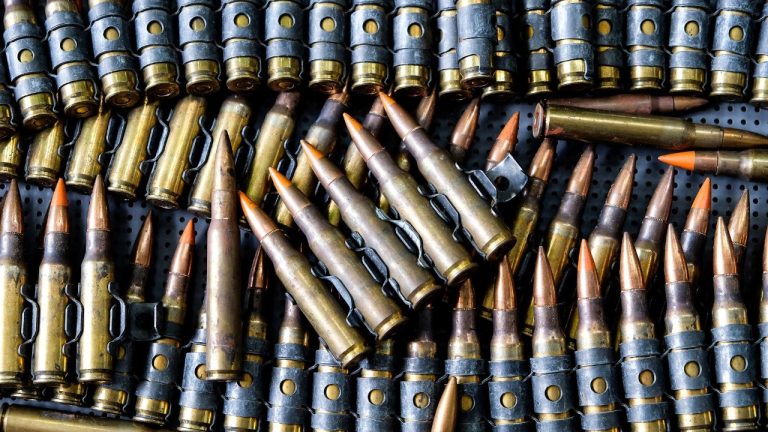
Bulk ammunition is one of the biggest draws at any show, and also one of the easiest ways to waste money. Pallets of loose packed rounds and surplus cans stacked high create the impression that everything is cheap, but without careful inspection you can end up paying good money for old, poorly stored, or mismarked stock. A dedicated guide to buying ammo at shows urges buyers to “Inspect the Packaging,” noting that Even at reputable shows it is smart to check Expiration or manufacturing dates, especially for surplus.
Packaging tells you more than just age. That same guidance stresses the importance of proper labeling and branding, because mismatched boxes, hand written caliber markings, or repacked rounds in generic bags can signal reloads or mixed lots that may not be safe or consistent. When you ignore those signs, the hidden cost is not just the price of the ammo, it is the potential for malfunctions, extra cleaning, or even damage to your firearm. I have seen buyers brag about a cheap case of cartridges, only to admit later that half of it was unreliable and they ended up buying factory new ammo anyway. The smarter move is to treat ammunition like any other critical component: verify what you are getting, compare per round prices to online benchmarks, and walk away from anything that looks like it was thrown together in a hurry.
Paperwork, transfers, and the fine print
Some of the most expensive mistakes at gun shows do not show up until weeks later, when a transfer falls through, a shipping bill arrives, or a paperwork error forces you to redo the process. A detailed breakdown of costly show habits notes that “Paperwork, transfers, and the hidden cost of doing it wrong” can turn a seemingly good price into a net loss. Some of the worst outcomes involve buyers who did not realize that a seller at an out of state table would have to ship the firearm to a local FFL, adding transfer fees and freight that wiped out any savings.
Vendor focused advice makes clear that sellers are encouraged to make payment and logistics as seamless as possible, which is good for business but can lull buyers into ignoring the details. One guide for show vendors emphasizes that they should never miss a sale because they lack a convenient way to take money, and encourages them to streamline card processing and other options. That same piece on 5 tips for sellers shows how much effort goes into smoothing the path from interest to payment. As a buyer, the counterweight is to slow that process down long enough to ask who is handling the background check, what the transfer fee will be, whether there are restocking or cancellation penalties if something goes wrong, and how long shipping will take. Ignoring those questions can turn a simple purchase into a drawn out, expensive hassle.

Leo’s been tracking game and tuning gear since he could stand upright. He’s sharp, driven, and knows how to keep things running when conditions turn.