Predators Most Likely to Threaten Solo Hikers
When you hike alone, you accept a certain level of risk. Most days, wildlife wants nothing to do with you. The vast majority of predators would rather slip away than square up with a human. Still, there are places and situations where that balance shifts. Hunger, surprise encounters, territorial behavior, or habituation to people can all change the equation.
If you spend enough time in the backcountry, you learn which animals deserve more of your attention. This isn’t about fear. It’s about awareness. When you know what you’re dealing with, you hike smarter, camp cleaner, and avoid stacking the odds against yourself. These are predators that, under the right conditions, pose a real threat to someone traveling alone.
Mountain Lions
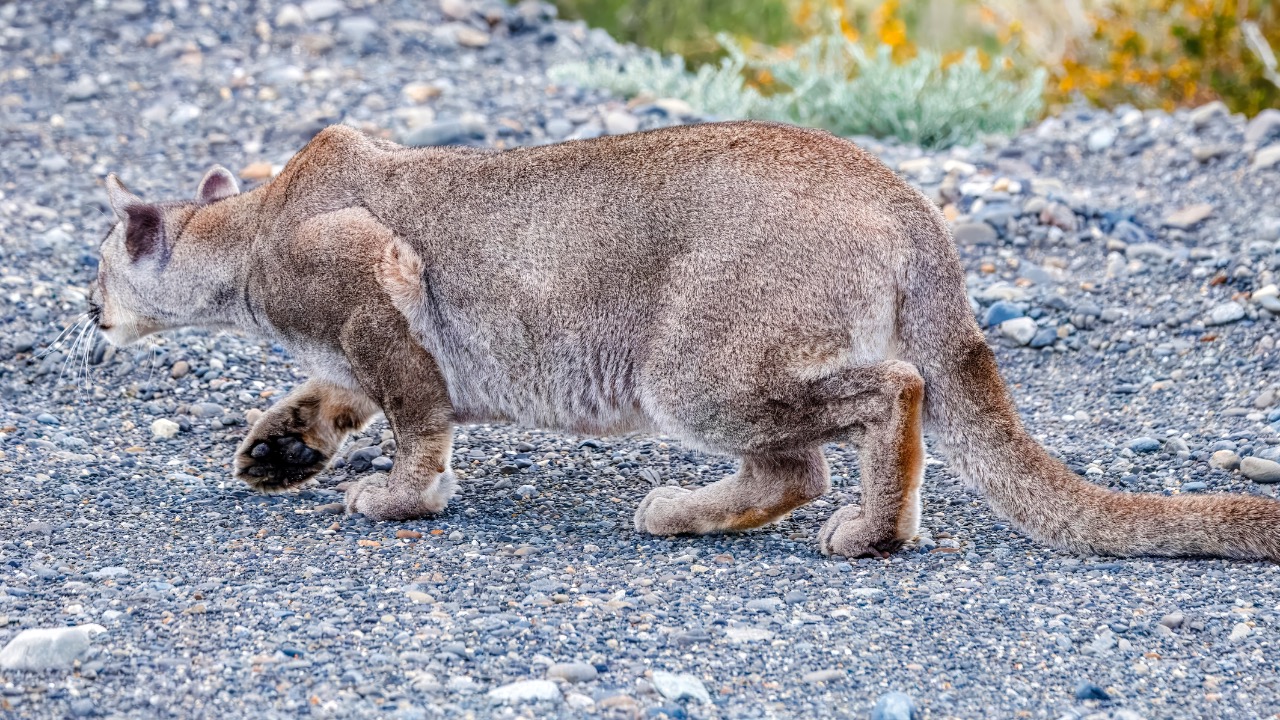
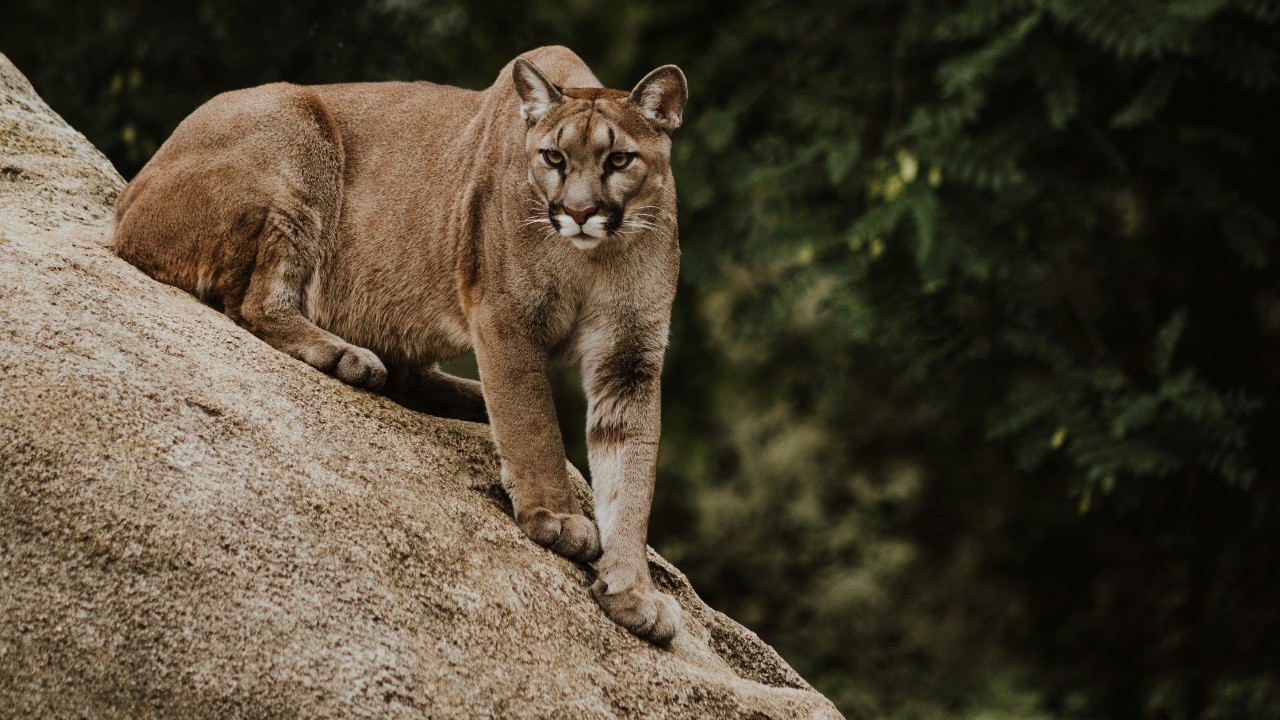
If you hike in the West, you’re in mountain lion country whether you realize it or not. Mountain Lion are quiet, territorial, and built to ambush. They prefer deer, but solo hikers—especially those moving quickly or quietly—can trigger their prey drive. Children and smaller adults are at higher risk, but full-grown men have been attacked too.
Most encounters never escalate. The danger comes when you surprise one at close range or stumble near a cached kill. Running can flip a switch. When you’re alone, you don’t have extra eyes watching your back. Make noise in thick cover, avoid hiking at dawn and dusk in high-density areas, and never crouch or turn your back if one appears.
American Black Bears
The American Black Bear is usually more nuisance than threat, but that changes fast when food conditioning enters the picture. A bear that associates people with meals doesn’t behave like a shy woodland animal. It behaves like a large, determined scavenger.
Most black bear attacks are predatory, not defensive. That’s what makes them serious for solo hikers. If one approaches without cubs present and doesn’t break off when you stand tall and make noise, you’re dealing with a different situation. Hiking alone means you must manage food scent carefully and keep camp clean. In remote country with little hunting pressure, bears can be bolder than you expect.
Coyotes
You don’t often think of Coyote as a real threat to an adult. In most cases, they aren’t. But habituated coyotes around parks, desert trail systems, and suburban edges have shown aggressive behavior toward lone individuals.
Solo hikers running early mornings or evenings have reported coyotes shadowing them for miles. That behavior can escalate if the animal sees vulnerability. Small adults and anyone carrying food loosely are at higher risk. You’re unlikely to face a coordinated pack attack in wild country, but urban-edge coyotes are a different story. When they lose fear of people, they test boundaries. If one approaches within close range, don’t ignore it. Stand your ground and make yourself bigger.
Wolverines
The Wolverine has a reputation that outweighs its size. Attacks on humans are extremely rare, but in remote northern country, especially Alaska and parts of Canada, they deserve respect. A wolverine defending a carcass or territory can be intensely aggressive.
You’re unlikely to be hunted by one. The real concern is a surprise encounter at close range, particularly if you stumble onto a cached food source. Wolverines are strong for their size and willing to fight animals much larger than themselves. When you’re hiking alone in deep snow country, miles from help, any aggressive wildlife encounter becomes more serious. Give them space and avoid fresh kills.
Alligators
In the Southeast, especially around slow rivers and swamps, the American Alligator is part of the landscape. Most of the time they slide off the bank before you get close. But solo hikers who camp near water or filter at dusk can put themselves in risky positions.
Alligator attacks are rare, but they do happen, particularly where animals are accustomed to human presence. The danger spikes during mating season and when people feed them illegally. Sitting close to the water’s edge, especially at night, is asking for trouble. When you’re alone, a sudden drag into the water leaves little margin for error. Keep distance from shorelines and avoid cleaning fish or game near camp.
Polar Bears
If you travel in Arctic regions, the Polar Bear isn’t a distant possibility. It’s the top predator on the landscape. Unlike most bears, polar bears may actively stalk humans as prey. That’s a different category of risk.
Encounters are rare because few people hike solo in their range. But in coastal Alaska and northern Canada, it happens. A lone hiker without deterrents is vulnerable. Polar bears are curious, powerful, and not conditioned to fear people in remote areas. Visibility can be limited in fog or snow, which makes surprise encounters more likely. When you’re in that country, preparation isn’t optional.
Jaguars
In parts of southern Arizona near the border and deeper into Mexico, the Jaguar occasionally appears. Sightings in the U.S. are rare, and attacks even rarer. Still, in their core range farther south, solo hikers and ranch workers have been injured.
Jaguars are ambush predators with immense bite force. Like mountain lions, they prefer prey animals, but surprise encounters in thick jungle terrain can turn defensive quickly. If you travel alone in dense habitat within their established range, you’re entering a predator’s home ground. The threat isn’t common, but it’s real enough to warrant awareness, especially near water sources where wildlife traffic concentrates.
Nile Crocodiles
If you hike or camp along African waterways, the Nile Crocodile is one of the most dangerous predators you can encounter. These reptiles are responsible for more fatal attacks on humans than any other large predator in Africa.
Solo hikers are particularly vulnerable when collecting water, bathing, or camping near riverbanks. Crocodiles are patient and nearly invisible at the surface. The strike is sudden and powerful. In many rural areas, attacks occur because people underestimate how far a crocodile can lunge from the water. If you’re traveling alone, you don’t have backup when something goes wrong. Keep a wide buffer from shorelines and avoid predictable routines at water access points.
When you hike solo, the goal isn’t paranoia. It’s respect. Most predators want to avoid you. Problems happen when surprise, food, or human complacency change the dynamic.
If you move with awareness, keep your camp clean, and understand the animals that share the landscape, you dramatically reduce the odds that a quiet hike turns into something else.

Asher was raised in the woods and on the water, and it shows. He’s logged more hours behind a rifle and under a heavy pack than most men twice his age.