Democratic-led states defend USPS firearm-shipping restrictions after DOJ declines to step in
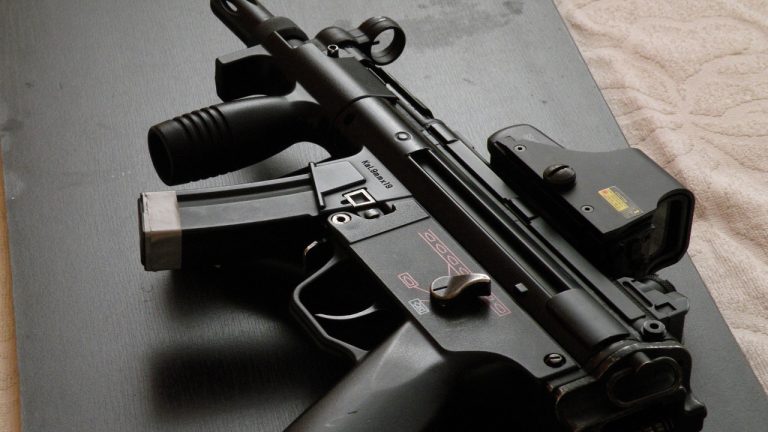
Democratic attorneys general in several coastal states are moving to defend a long‑standing federal restriction on mailing handguns through the U.S. Postal Service after the Department of Justice announced it would no longer enforce the law. Their intervention turns what had been a technical mailing rule into a major new flashpoint in the national fight over the scope of the Second Amendment and the power of federal agencies to pull back from existing gun regulations.
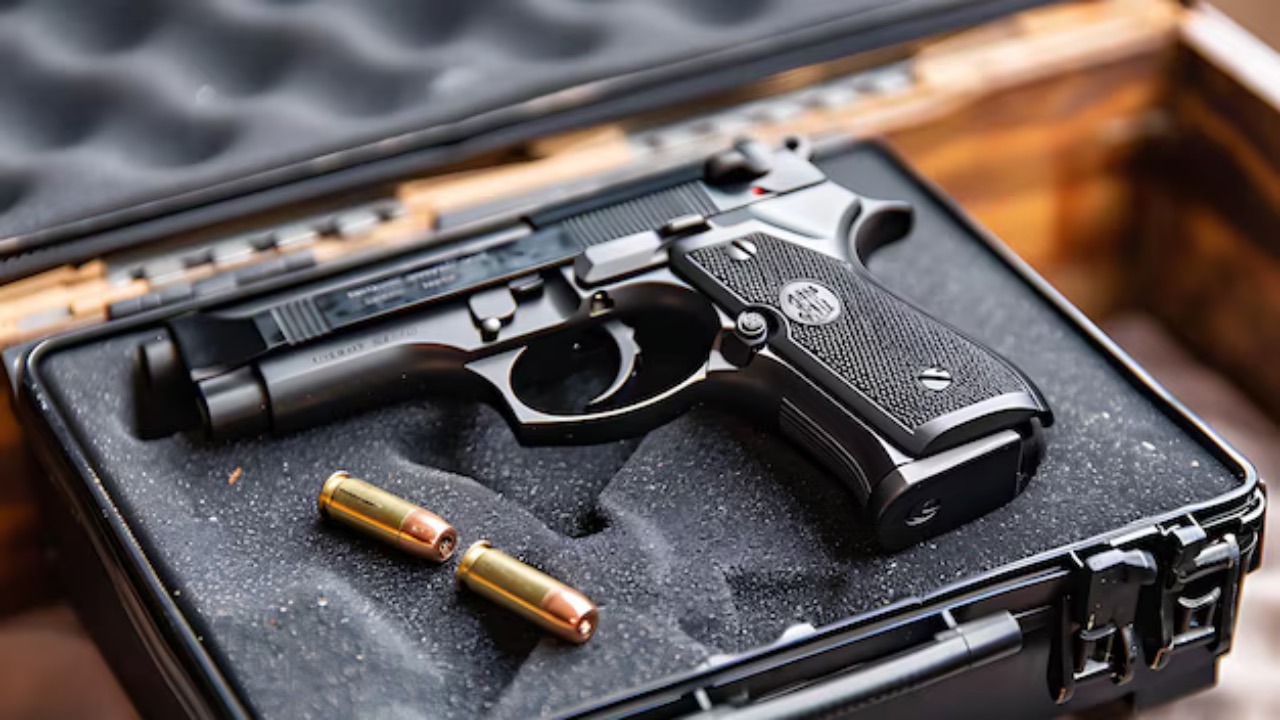
At the center of the dispute is 18 U.S.C. § 1715, a nearly century‑old statute that bars most private shipments of concealable firearms through the Postal Service. The Trump administration’s Justice Department has concluded that the law is unconstitutional as applied to handguns, leaving Democratic‑led states to contend that the restriction still plays a vital role in public safety and should be defended in federal court.
The DOJ reverses course on handgun mailing ban

The clash began when the Department of Justice’s Office of Legal Counsel issued a formal opinion declaring that Section 1715 of title 18, U.S. Code, is unconstitutional as applied to constitutionally protected firearms, including handguns, because it prevents law‑abiding people from obtaining weapons by mail that they are otherwise entitled to possess. Addressed to the Attorney General, the opinion concluded that the statute conflicts with the Supreme Court’s modern Second Amendment framework and therefore should no longer be enforced against such firearms. The text of Section 1715, which has long prohibited the mailing of pistols, revolvers and other concealable weapons except in narrow circumstances, is laid out in the federal code and was scrutinized closely in the opinion.
In the same analysis, the Office of Legal Counsel reasoned that the Postal Service may not constitutionally refuse to carry handguns that fall within the category of protected arms, because doing so would effectively bar certain groups from accessing firearms altogether. Released in mid‑January, the opinion emphasized that the law could still apply to weapons that fall outside the Second Amendment’s protection, but it treated most common handguns as covered arms and therefore shielded from a categorical mailing ban. The conclusion that Section 1715 is invalid in these circumstances marked a sharp break from decades of federal practice.
Trump DOJ signals it will not enforce the statute
Following the Office of Legal Counsel’s opinion, the Trump DOJ moved from legal analysis to policy direction. On January 15, the Department of Justice Office of Legal Counsel issued a memorandum opinion stating that a federal law prohibiting the mailing of handguns is unconstitutional and should no longer be enforced. Shortly afterward, the Trump DOJ said it would not enforce the federal ban on mailing handguns at all in cases involving constitutionally protected firearms and urged the U.S. Post Office to change its regulations so that handguns could be mailed more freely. The memorandum framed the mailing restriction as an undue burden on lawful gun ownership that could not be squared with recent Supreme Court precedent.
The department’s shift was not limited to internal guidance. According to reporting on the memorandum, the Department of Justice also encouraged the Post Office to modify its rules to create a pathway for lawful handgun shipments, including by licensed dealers and, potentially, other eligible senders. The Trump DOJ’s public stance that it would no longer treat the mailing ban as valid signaled to courts and litigants that the federal government would not defend Section 1715 against Second Amendment challenges. That left state officials to decide whether they would accept a retreat from the handgun mailing restriction or move to fill the vacuum left by the federal government’s decision, which was detailed in the Trump DOJ coverage.
New Jersey, New York and Delaware step into the courtroom
Democratic attorneys general in the Northeast quickly chose the second path, seeking to intervene in federal litigation to defend the handgun mailing restriction themselves. New Jersey Attorney General Jennifer Davenport, together with her counterparts in New York and Delaware, moved to participate in a case in federal court in Pennsylvania that challenges the application of Section 1715 to certain firearms. The states argue that the law, which they describe as nearly a century old, remains an important tool to prevent concealable weapons from being shipped across state lines without the safeguards that accompany in‑person sales. Their motion to intervene asks the court for permission to assume the federal government’s traditional role and argue that the statute is constitutional.
New Jersey’s top law enforcement official has framed the issue as one of both public safety and institutional responsibility. In a public statement, Attorney General Davenport said that if the Trump Administration refuses to defend critical federal firearms law, the states’ chief law enforcement officers will rise to protect their residents from the risks of concealable guns moving through the mail without background checks. She warned that allowing handguns to be shipped through the Postal Service would make it easier for people who cannot lawfully own firearms to obtain them and evade state regulations. New Jersey’s decision to join this multistate effort was described in detail in an announcement from Attorney General Davenport that emphasized the stakes for communities that already struggle with gun violence.
Delaware’s Kathy Jennings and the broader Democratic strategy
Delaware Attorney General Kathy Jennings has emerged as one of the most vocal defenders of the handgun mailing ban and a key figure in the Democratic‑led response. Jennings and the other states filed a motion to intervene, asking the court to allow them to defend the statute after the federal government declined to do so. She has argued that the law is constitutional and that removing it would open a new pipeline for concealable firearms to move through the mail into communities that have chosen stricter gun controls. Reports from JOHNSTOWN, Pa., describe how Delaware Attorney General Kathy Jennings joined counterparts in New Jersey and New York in the case, which challenges the Postal Service’s longstanding refusal to carry handguns from private individuals.
Local coverage has highlighted how Jennings is positioning Delaware in the national conversation over the Second Amendment. One account explained that Delaware Attorney General Kathy Jennings has joined attorneys general from other states to argue that the law is constitutional, even as the Trump administration signals it will not defend it. Another noted that Jennings and the other states are stepping in after the federal government declined to do so, underscoring the sense among Democratic officials that they must act as a backstop when Washington retreats from gun regulations. The involvement of Delaware in this litigation shows how even smaller states are willing to take on national fights over firearms policy when they believe federal protections are being dismantled.
Legal stakes for USPS, states and the Second Amendment
The legal question at the heart of the case extends far beyond a single statute. If courts accept the Office of Legal Counsel’s reasoning that Section 1715 is unconstitutional as applied to handguns, the Postal Service could be required to carry firearms that it has long refused to handle from private individuals, fundamentally changing how guns move around the country. The federal code provision that bars mailing of pistols and other concealable weapons has been part of the regulatory framework for decades, and its text is still reflected in the current version of 18 U.S.C. § 1715. A decision striking it down in whole or in part would not only affect the Postal Service but could also invite challenges to other federal and state rules that limit how and where guns can be sold or transported.

Leo’s been tracking game and tuning gear since he could stand upright. He’s sharp, driven, and knows how to keep things running when conditions turn.