Twenty World War II missions so extreme they sound unbelievable
World War II produced missions so audacious that they still sound like fiction. From tiny commando teams attacking heavily defended ports to artists conjuring phantom armies, planners repeatedly gambled on ideas that looked absurd on paper yet altered the course of the conflict. Many of the most extreme operations combined near-suicidal risk with a flair for improvisation that modern special forces still study.
Across Europe, Asia, and the Pacific, these operations pushed the limits of human endurance and imagination. The missions below highlight twenty of the strangest and most hazardous efforts, when soldiers, spies, and saboteurs stepped into plans that could easily have been rejected as pure fantasy.
Impossible raids and commando gambles
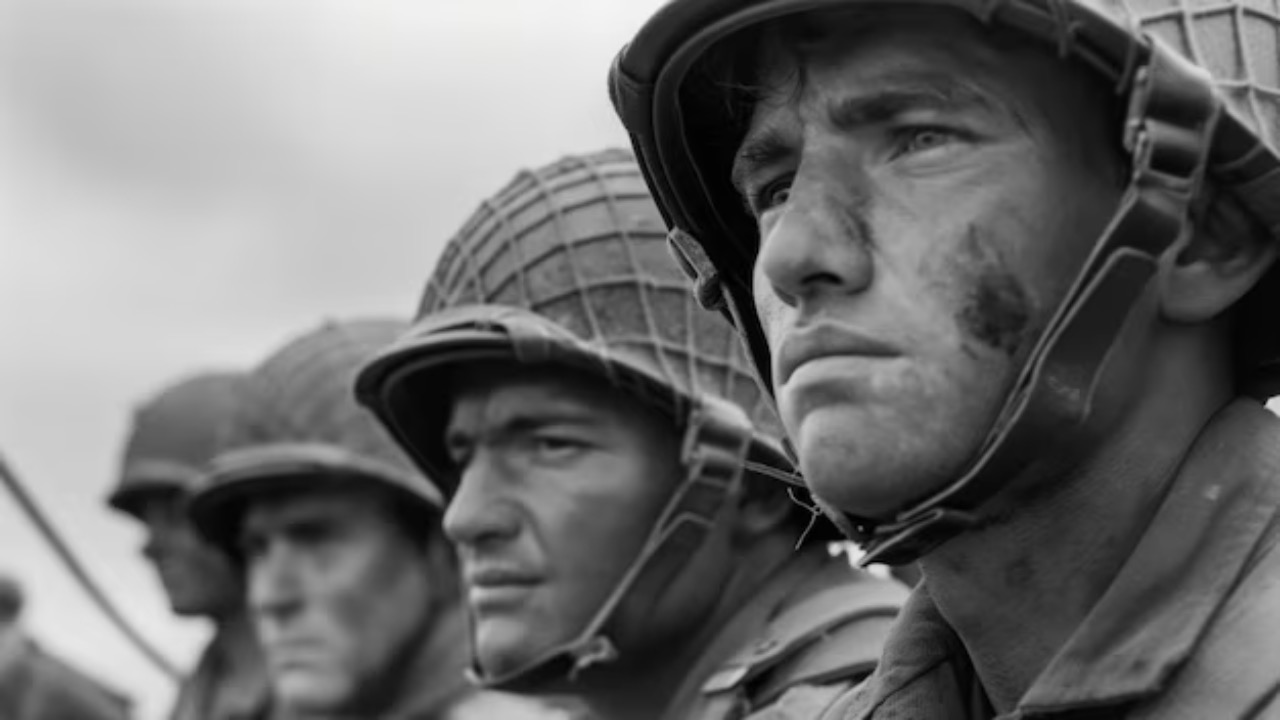
Among veterans and historians, arguments over the single most outrageous World War II mission are intense, reflecting how many operations pushed into near-impossible territory. Discussions of the most extreme raids often cite small-unit attacks that sent volunteers into heavily defended areas with little chance of extraction, a pattern that appears repeatedly in accounts of outrageous missions. These operations relied on surprise, darkness, and the willingness of a few dozen men to accept odds that would horrify a conventional staff officer.
One example involved a British-led strike known as Operation Flipper, where a force of 6 officers and 53 m men landed by submarine near Cyrenaica and moved inland to attack the German headquarters. The raiders faced bad weather, difficult navigation, and strong defenses, and several were killed or captured after reaching their objectives. Similar small-unit strikes, sometimes involving canoes or tiny boats, targeted German shipping and harbor installations and are remembered alongside the so-called Cockleshell Heroes, a canoe-borne team highlighted in accounts of the 7 craziest commando.
Deception armies and phantom invasions
Some of the most unbelievable missions did not rely on firepower at all, but on trickery. Allied planners created entire phantom formations to mislead the Germans about where the next blow would fall, a concept that culminated in the elaborate D-Day deception plans. In the run-up to the Normandy landings, the Allies used dummy parachutists, radar-jamming devices, and fake radio traffic to confuse German analysts about where the real invasion would strike, a pattern described in detail in a podcast summary of how the Allies launched elaborate.
One of the most striking examples of this imagination in uniform was the 23rd Headquarters Special Troops, better known as the Ghost Army. Activated as a unique deception unit, the Headquarters Special Troops used inflatable tanks, fake artillery, and carefully staged sound effects to simulate entire divisions. Another account notes that The Ghost Army inflated both 600 dummies and their own apparent strength by impersonating two divisions and 40,000 troops, a scale of deception described in depth in coverage of The Ghost Army. Veterans of this unit later recalled how They (the two men) served in the 603rd Camouflage Engineers, the visual deception wing of the 23rd Headquarters, and used art-school skills to fool the German Army during World War II, as described in a profile of the Camouflage Engineers.
Spycraft that reads like fiction
The intelligence war produced missions that still sound like screenplays. One standout was Operation Mincemeat, in which The British used a corpse carrying fake documents to convince the Germans that Allied forces would come marching in through Sicily, an idea that appears in discussions of events that seem fictitious but actually happened in Operation Mincem. The operation required meticulous attention to clothing, personal effects, and even invented love letters to make the identity convincing, and German intelligence ultimately accepted the ruse.
Other missions relied on deep-cover agents and sabotage teams operating for years behind enemy lines. A survey of Incredible Tales of highlights the Red Orchestra spy network, the work of Richard Sorge in Tokyo, and Operation Gunnerside in Norway, where saboteurs attacked a heavy water facility that was vital to the German nuclear program. Another overview of Mesmerizing Missions and Epic Spy Operations notes how Operation Mincemeat later inspired a film starring Colin Firth, a reminder of how these real missions blurred into popular culture through Mesmerizing Missions that still capture audiences.
Suicidal flights and airborne gambles
Some of the most dangerous missions in the air involved long-range raids and supply routes that demanded precision flying under constant threat. Historians who compile lists of the Most Dangerous Missions During a World War point to bomber operations deep into enemy territory and hazardous transport flights over mountain ranges, such as those that carried supplies to the Soviet Union in World War II, in the same breath as trench raids on the Western Front in WWI, where Soldiers crossed no man’s land at night, as summarized in a survey of Most Dangerous Missions. One bombing mission often singled out as one of the bloodiest and most heroic was Operation Tidal Wave, a low-level attack in Aug of 43 against oil refineries that cost the lives of many B-24 crews, as described in a short documentary on One of the.
At the other extreme, one of the most unbelievable bombing missions by the Allies in World War II involved dropping food instead of explosives. In the final months of the conflict, Allied aircraft flew low over occupied territory to deliver relief supplies during a bitter cold season of northwest Europe, in operations collectively known as One of the most remarkable humanitarian efforts of the war. Another account of missions that changed the war highlights the Enola Gay and the Doolittle Raid, noting how leaders framed the atomic bombing decision as one they hoped would end the war as soon as possible and save both the Allies and the Japanese from a prolonged bloodbath, as described in a video on WW2 Missions That.
Jungle penetrations and the strangest ground battle
On the ground, some units were created specifically for missions that looked impossible. Merrill’s Marauders, officially the US Army 5307th Composite Unit, were a deep-penetration force that operated in the jungles of Burma and China, often far from supply lines. A discussion of elite units notes that Merrill’s Marauders were a famous US deep penetration jungle-fighting unit that served in the Pacific theater, particularly in Burma, where they fought the Japanese, as described in a thread on Merrill Marauders Army. Veterans later recalled how they had volunteered for a hazardous and dangerous mission without being told where they were going, a detail captured in interviews about Merrill’s Marauders.
At the end of the war, one ground engagement has been described as The Strangest Battle in History. The Battle for Castle Itter, which took place On May 5 in the Austrian North Tyrol, saw German and American troops fight side by side against fanatical SS forces to protect high-profile prisoners, an alignment that defied the usual lines of the conflict and is recounted in an article on The Strangest Battle. A separate video summary refers to this engagement as the battle of Castle ID and describes how German and American troops fought together in what some historians call one of the weirdest battles of World War II, as highlighted in a short piece on Castle ID.

Leo’s been tracking game and tuning gear since he could stand upright. He’s sharp, driven, and knows how to keep things running when conditions turn.