The rifle cartridges hunters keep buying year after year
Some rifle cartridges are so dependable that hunters keep clearing store shelves of them year after year, even as slick new rounds appear. The appeal is not nostalgia alone, but a mix of real field performance, ammunition availability, and the comfort that comes from generations of proven success on game.
From classic woods cartridges to modern long-range darlings, a handful of rounds form the backbone of big game and varmint hunting. Understanding why these specific cartridges keep selling helps explain how hunters actually shoot, not just how they talk about ballistics.
The pull of common calibers and constant supply
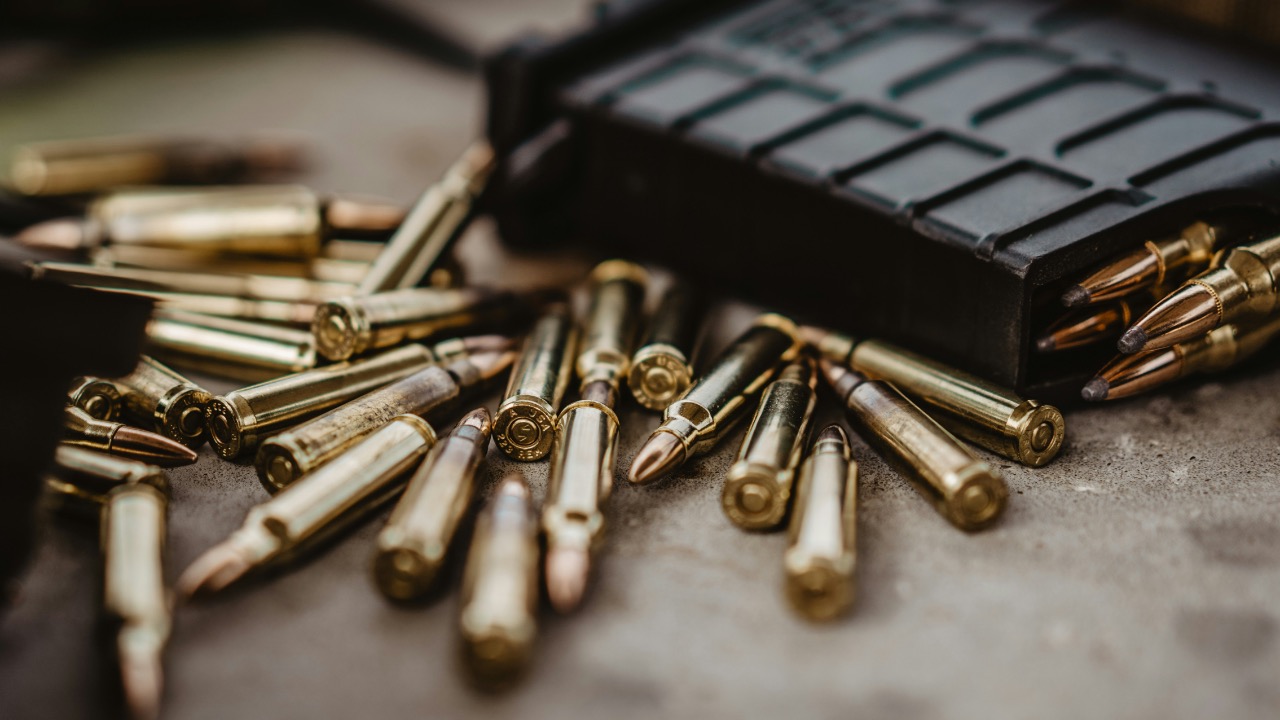
Hunters who buy with their heads rather than their hearts tend to start with one question: how easy will it be to find ammunition in a crunch. One experienced reloader has described how, as long as projectiles are available, he can form new brass from plentiful .30-06 Springfield cases and keep a favorite rifle running even when other ammunition supplies have dried up, a point he makes when arguing for a rifle in a common caliber.
That logic explains why cartridges like .30-06 Springfield, .270 Winchester, .30-30 Winchester, and 223 Remington keep moving at the counter. They are loaded by virtually every major manufacturer, sit on shelves in small-town hardware stores, and can be found in bulk from online retailers. A hunter who travels across states, or who hunts remote areas where the nearest shop might be a gas station, knows that a common chambering is insurance against a ruined trip.
This focus on practicality also shapes how hunters think about cartridge choice overall. One instructor has criticized the habit of buying rifles for shots that will never be taken, in conditions that will never be faced, and has argued that many shooters are simply buying the wrong cartridge for their actual use, a warning delivered in a widely watched video on cartridge mistakes. The message is clear: if most shots are inside 300 yards on deer-sized game, there is little reason to chase exotic rounds when classic options are cheap, available, and more than capable.
.30-06 Springfield: the forever all-rounder
No discussion of enduring hunting cartridges can avoid .30-06 Springfield. More than a century after its introduction, it still anchors rifle racks and ammunition aisles. Hunters praise its blend of power and flexibility, and that versatility is not just marketing. With bullet weights from light varmint projectiles to heavy controlled-expansion designs, the cartridge can be tailored to everything from coyotes to large North American species.
One hunter chose the .30-06 as his first hunting rifle purchase at the age of 76, and he laid out Five reasons for that choice in a video posted in Aug. At the top of his list was the word Versatile, followed by the reassurance that he did not have to pick multiple rifles for different tasks, since he could only afford one. His explanation in that personal breakdown mirrors what many hunters quietly decide every fall.
Manufacturers lean into that reputation. One major ammunition brand markets 30 06 SPRG hunting ammunition packs by telling customers that Hunters appreciate the cartridge’s proven track record and its ability to deliver consistent performance across a wide range of species, including bear and even larger North American species. That promotional language reflects how the round is actually used in the field, not just on paper.
Online discussions about whether newer rifle rounds can unseat classics often circle back to .30-06. In one Comments Section focused on why certain calibers have not been replaced, a user argued that There is no single better option in external ballistics, because Everyt cartridge involves tradeoffs. That sentiment matches the lived experience of hunters who have watched trends come and go while .30-06 keeps filling tags.
.30-30 Winchester: the deer woods legend
If .30-06 rules the all-purpose category, .30-30 Winchester remains the king of the deer woods. Lever-action rifles chambered in this cartridge still ride in truck racks and behind cabin doors, even in an era of carbon-fiber stocks and precision optics.
In a video that looks at which cartridges have taken more deer than any others, the host pauses for a dramatic reveal and then says, tada everyone knows it everyone loves it, what is it, the 3030, the 3030 Winchester. He adds that it has been said so many times and nobody can really argue, before emphasizing again that the answer is Winchester. That enthusiastic endorsement in a segment on deer cartridges reflects a widespread belief that this round has probably accounted for more whitetails than any competitor.
Hunters in online forums echo the same conclusion. One participant who was asked whether classic calibers might ever retire listed the .30-30, .30-06, and 270 together and noted that they have survived the arrival of countless successful cartridges. Another commenter, using the handle Budget, argued that as long as these rounds keep doing their job and ammunition stays easy to find, there is little reason to abandon them.
On question-and-answer platforms, some shooters even call such cartridges Basically fossils, then immediately clarify that Except with these 6 cartages you can hunt everything from coyotes to the largest ALASKA bears. One answer stressed that There are millions of rifles chambered in these older rounds, which helps explain why they remain among the most used cartridges first when hunters look for ammo worldwide.
.270 Winchester and the mid-century classics
.270 Winchester occupies a similar space in hunter loyalty. Paired with .30-06 in many conversations, it is often described as the flat-shooting option that still carries enough energy for elk and moose in the right hands. In the same forum thread that debated the future of classic calibers, one user pointed out that the 270 has shrugged off waves of competition from newer designs, partly because it offers a balance that is hard to improve upon in real hunting conditions.
These mid-century cartridges built their reputations on real animals, not just on ballistic charts. Hunters who grew up watching parents and grandparents fill freezers with them tend to trust what has already worked. That trust is reinforced every time a new season ends with another clean kill from a rifle that might be older than its owner.
Even critics who chase the latest high ballistic coefficient bullets usually concede that cartridges like .270 Winchester are not going away. The combination of entrenched rifle inventories, broad ammunition support, and decades of field data makes them hard to displace.
6.5 cartridges: from European niche to Creedmoor boom
While the old guard keeps selling, some newer entries have managed to join the permanent roster. The most obvious example is the family of 6.5 cartridges, especially 6.5 Creedmoor. A long look at deer cartridges pointed out that 6.5 bullets have been around since the 1890s in European cartridges, but Americans never really took to 6.5’s for most of the twentieth century. The same analysis recalled how the 264 Winchester Magnum was once promoted as a long range marvel, yet its popularity faded, making the modern success of 6.5 offerings a long, strange trip indeed, a point captured in a detailed case study.
That changed when Hornady introduced 6.5 Creedmoor. One overview of modern hunting rounds notes that Hornady’s 6.5 Creedmoor has enjoyed a meteoric rise in popularity, and that the company followed the launch of the 6.5 Creedm line with other related cartridges such as 6mm Creedmoor and 6.5 PRC. The same review framed this as part of a broader hunting rifle cartridge renaissance, where precision shooting trends spilled into the hunting world.
Another technical evaluation went further and stated that Jun testing suggests that Today, the most inherently accurate factory cartridge is probably the 6.5 Creedmoor. That article explained that the round was designed for accuracy above all things, with dimensions and case capacity optimized for consistent performance. In that piece, 6.5 Creedmoor was compared favorably to earlier precision rounds such as the 222, and the conclusion was that modern design had delivered a new benchmark, as described in a feature on the most accurate cartridge.
Hunters have responded. On backcountry forums, users debate which newer rifle rounds will or will not stick around, with one thread noting that In the past 5 or so years there has been a slew of new rounds to fill various niches. Some are starting to cement themselves, especially anything that fits in an AR pattern rifle. In those discussions, 6.5 Creedmoor often appears in the category of cartridges that have already proven they are not a passing fad.
223 Remington and the varmint workhorses
On the lighter end of the spectrum, 223 Remington has become a staple for varmint hunting and target practice. One ranking of popular rifle cartridges simply labeled 223 Remington as america’s favorite, a nod to the enormous installed base of AR-15 style rifles and affordable bolt actions chambered for it. The same list highlighted how the cartridge’s low recoil, modest cost, and decent accuracy make it an easy choice for high-volume shooting, as seen in a rundown of popular cartridges.
Retail data from the varmint market backs that impression. A trade feature on varmint hunting sales explained that rifles remain the favorite of varmint hunters, with brands such as Winchester, Remington and Savage among the top choices of customers. The same piece began a key sentence with the word But, then went on to emphasize that these rifle brands dominate a year-round segment of the market, showing that small-caliber centerfires are not just seasonal purchases for a handful of prairie dog shooters, as detailed in a report on varmint hunting sales.
Social media channels linked to that trade group, including pages discovered through Shooting Industry Magazine Varmint Hunting Sales, Year Round Hit references on Pinterest, Twitter, Facebook, and the fmgpubs site, all reinforce the same message. Varmint hunters value repeatable accuracy and affordable ammunition, and cartridges like 223 Remington deliver both in a package that works equally well from a bench or from a coyote stand.
How modern rifles keep old cartridges relevant
One reason these cartridges keep selling is that rifle technology has improved around them. A recent evaluation of The Best Deer Rifles, Tested and Reviewed, for example, highlighted modern platforms such as the Best Overall Wilson Combat NULA Model 20 and the Best New Browning X-Bolt 2 Hunter. While the focus was on actions, triggers, and ergonomics, the test rifles were chambered in familiar rounds that match the needs of most deer hunters, as described in a feature on best deer rifles.
By pairing classic cartridges with lighter stocks, better barrels, and improved optics mounting systems, manufacturers give hunters a reason to upgrade their rifles without changing their ammunition. That pattern keeps demand steady for old favorites while still allowing the industry to market innovation.
At the same time, specialty cartridges that promised dramatic gains often struggle to achieve the same staying power. The earlier mention of 264 Winchester Magnum is one example. It arrived with fanfare but eventually faded as shooters realized that the practical advantages over .270 Winchester or .30-06 were limited in normal hunting ranges, while barrel wear and ammunition availability were real concerns.

Leo’s been tracking game and tuning gear since he could stand upright. He’s sharp, driven, and knows how to keep things running when conditions turn.