The difference between a range gun and a true carry gun
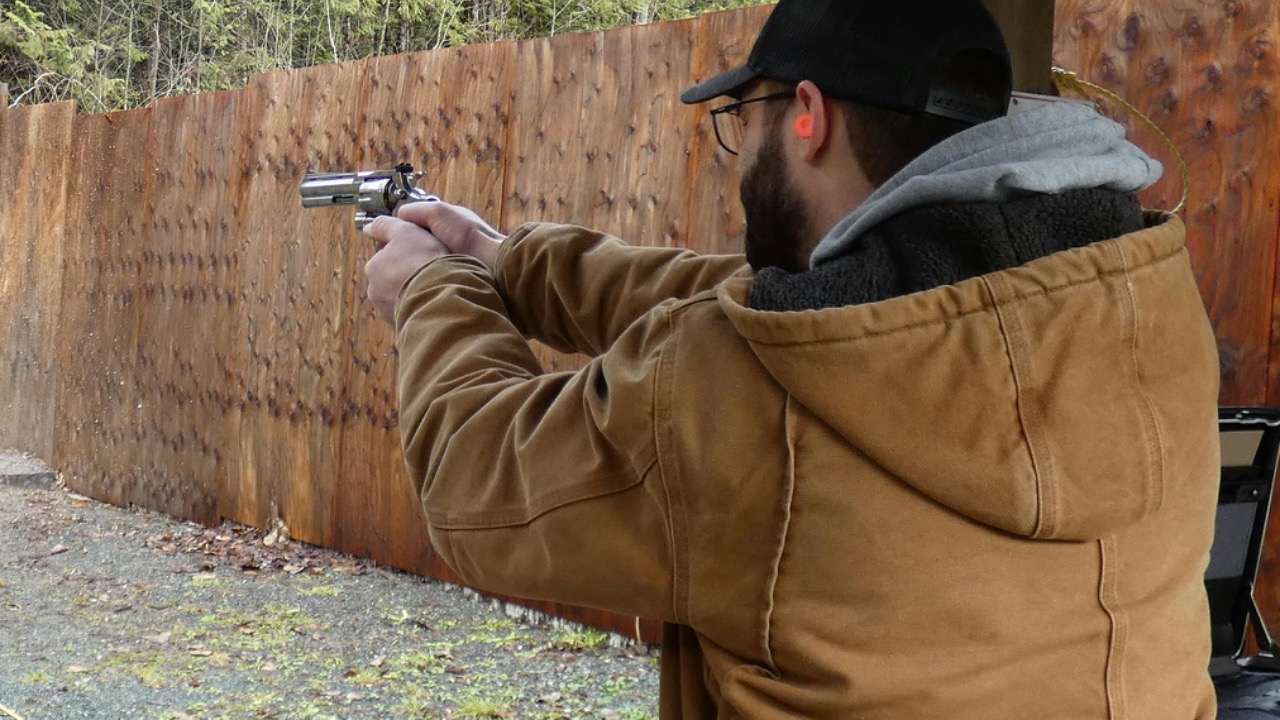
Spend enough time around shooters and you’ll hear the same thing: “I shoot this great at the range.” That doesn’t always translate to something you want on your belt every day. A range gun can be comfortable, accurate, and even impressive in controlled conditions, but a carry gun lives in a different world. It has to work under stress, disappear under clothing, and come into action without hesitation.
You can get away with a lot at the range—weight, size, even a finicky setup. Out in the real world, those same traits can slow you down or make you leave the gun at home. Knowing the difference helps you choose something you’ll actually carry and trust.
Weight You Notice by Noon
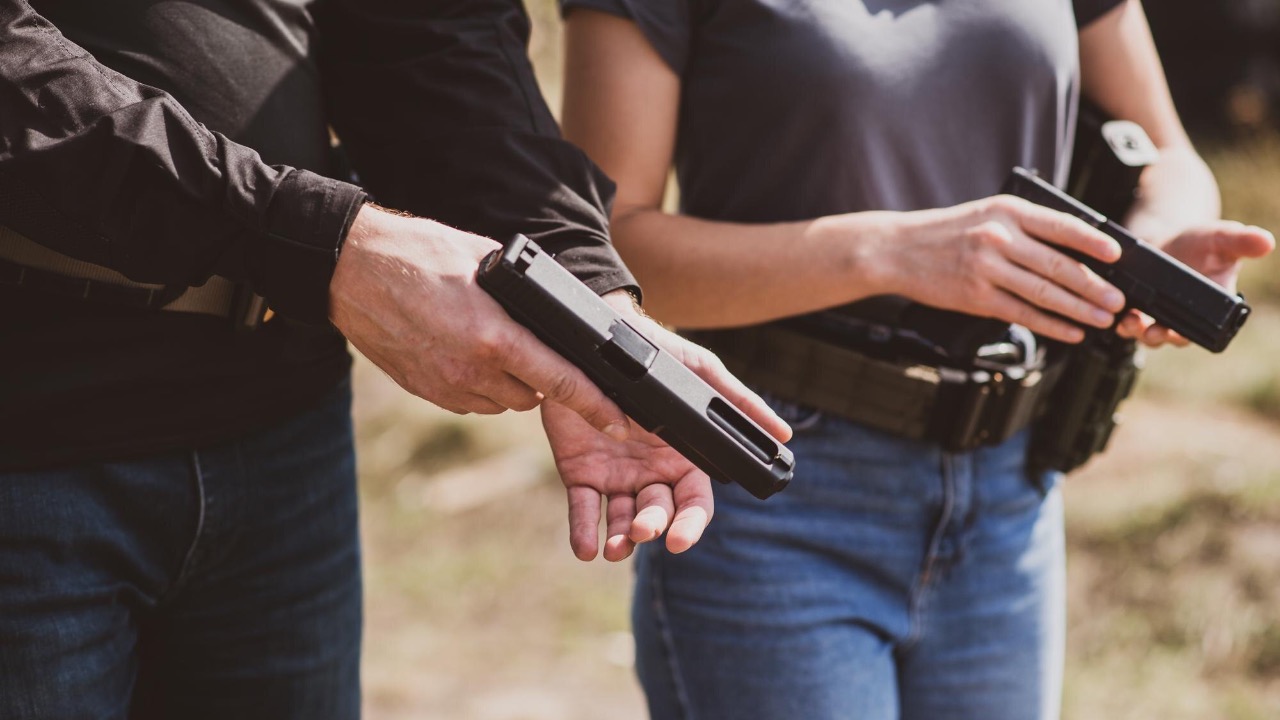
At the range, weight feels like an advantage. A heavier pistol soaks up recoil and settles nicely between shots. You can shoot longer, stay steadier, and walk away thinking you’ve found the perfect setup.
Carry that same gun for ten hours and your opinion changes. It pulls on your belt, shifts when you move, and reminds you it’s there every time you sit down. A true carry gun balances shootability with something you’ll actually tolerate all day. If it’s uncomfortable, you’ll start leaving it behind—and that defeats the purpose.
Grip Length That Prints When You Move
On the firing line, a full grip is a blessing. Your hands lock in, recoil is easier to manage, and follow-up shots come naturally. Bigger frames give you control and confidence.
Out in public, that extra grip length becomes a problem. It’s the part most likely to print through a shirt or jacket, especially when you bend or twist. A carry gun trims that down enough to stay hidden while still giving you control. You may give up a little comfort, but you gain something far more important—discretion.
Triggers That Feel Great Until They Don’t
Range guns often shine because of their triggers. Light pull weights and short resets make tight groups easier, especially when you’re focused and relaxed.
That same trigger can work against you under stress. A carry gun needs a trigger you can manage when your heart rate spikes and your hands aren’t steady. Too light, and it becomes a liability. Too heavy or inconsistent, and it slows you down. The difference shows up when conditions aren’t controlled and every movement matters.
Sights Built for Light, Not Just Paper
At the range, lighting is predictable. You’ve got time to line things up, and high-contrast targets make sight picture easy. Almost any decent set of sights will get the job done.
Carry situations don’t give you that luxury. Low light, awkward angles, and quick presentations change everything. A true carry gun benefits from sights you can pick up fast, even when visibility drops. If you can’t see them clearly when it matters, it doesn’t matter how well they worked at the range.
Magazine Capacity vs. Practical Carry
High-capacity magazines are great on the bench. Fewer reloads mean more time shooting and less time messing with gear. It’s easy to get used to that rhythm.
When you’re carrying, capacity comes with trade-offs. Larger magazines mean thicker grips and more weight, both of which make concealment harder. A carry gun finds a middle ground—enough rounds to handle a problem without turning the pistol into something bulky and hard to hide. You start thinking less about maximum capacity and more about what you can realistically carry every day.
Recoil That Feels Different Outside the Lane
At the range, recoil is something you manage in a controlled stance. You’re squared up, focused, and expecting the shot. Even snappy guns can feel manageable when everything is predictable.
Change the context, and recoil feels different. One-handed shooting, awkward positions, or quick follow-ups expose weaknesses fast. A carry gun needs to be controllable without perfect form. If it only behaves when everything is ideal, it’s a range gun, not something you want to depend on.
Controls You Can Run Without Thinking
On a bench, you can take your time. Safeties, slide stops, and magazine releases are all easy to reach when you’re not rushed. You can adjust your grip and make things work.
A carry gun needs controls that fall under your hand naturally. You won’t have time to hunt for a lever or shift your grip to make something happen. Everything should work without conscious thought. If it doesn’t, you’ll feel it immediately when you try to run the gun under pressure.
Holster Compatibility and Real-World Carry
Range guns don’t demand much from holsters. A basic setup works fine when you’re standing on a line or shooting from a bench. Comfort and concealment aren’t big concerns.
Carry guns live in a holster all day. That means fit, retention, and comfort matter more than anything else. A gun that’s hard to find a good holster for—or doesn’t sit right when you move—is going to frustrate you fast. The best carry guns disappear into a setup you trust without constant adjustment.
Reliability With Defensive Ammo
A range gun might run flawlessly on bulk ammunition and still struggle with defensive loads. Differences in bullet shape and pressure can expose feeding issues you never saw before.
A carry gun has to run everything you trust your life on, not only what’s cheapest at the store. That means testing it with your chosen defensive ammo and making sure it feeds, fires, and ejects without hesitation. Reliability isn’t negotiable when the stakes are high.
Size That Affects Your Daily Routine
At the range, size doesn’t matter much. Bigger guns are easier to shoot, easier to see, and often more enjoyable overall. You can set them down when you’re done and walk away.
Carrying a gun changes how you move through your day. Sitting in a truck, bending over, walking into a store—every movement reminds you what’s on your belt. A true carry gun fits into your routine without forcing you to constantly adjust. If it gets in the way, you’ll notice it fast, and that’s when it starts getting left behind.
Maintenance You Can’t Ignore
Range guns can go a while between cleanings without causing much trouble. You notice fouling, but it rarely affects a casual shooting session right away.
Carry guns don’t get that luxury. Lint, sweat, and daily wear add up quickly. A pistol that’s easy to maintain and doesn’t choke on minor debris has a clear advantage. You’re trusting it to work after sitting untouched for days or weeks. If it needs constant attention to stay reliable, it’s better suited for the range than your waistband.
Confidence That Comes From Carrying, Not Shooting
You can shoot tight groups all day with a range gun and still not trust it outside that environment. Confidence at the bench doesn’t always translate to real-world use.
A true carry gun builds confidence differently. It comes from knowing how it handles when drawn quickly, how it feels under pressure, and how reliably it performs with the ammo you carry. It’s less about perfect groups and more about consistency when things aren’t perfect. That’s the difference you feel, and it’s the one that matters.

Asher was raised in the woods and on the water, and it shows. He’s logged more hours behind a rifle and under a heavy pack than most men twice his age.