Wildlife encounters that are becoming more common near cities
You don’t have to drive far anymore to run into wildlife. In a lot of places, you don’t have to leave town at all. Suburbs are pushing into old habitat, greenbelts are connecting pockets of cover, and animals are figuring out how to live alongside people whether anyone planned for it or not.
If you spend any time outdoors—even in city limits—you’ve likely noticed it. Tracks in a park, something slipping through a backyard at dusk, or a close call on the road that sticks with you longer than it should. These encounters aren’t rare anymore. They’re becoming part of daily life.
Coyotes Are Owning the Edges of Town
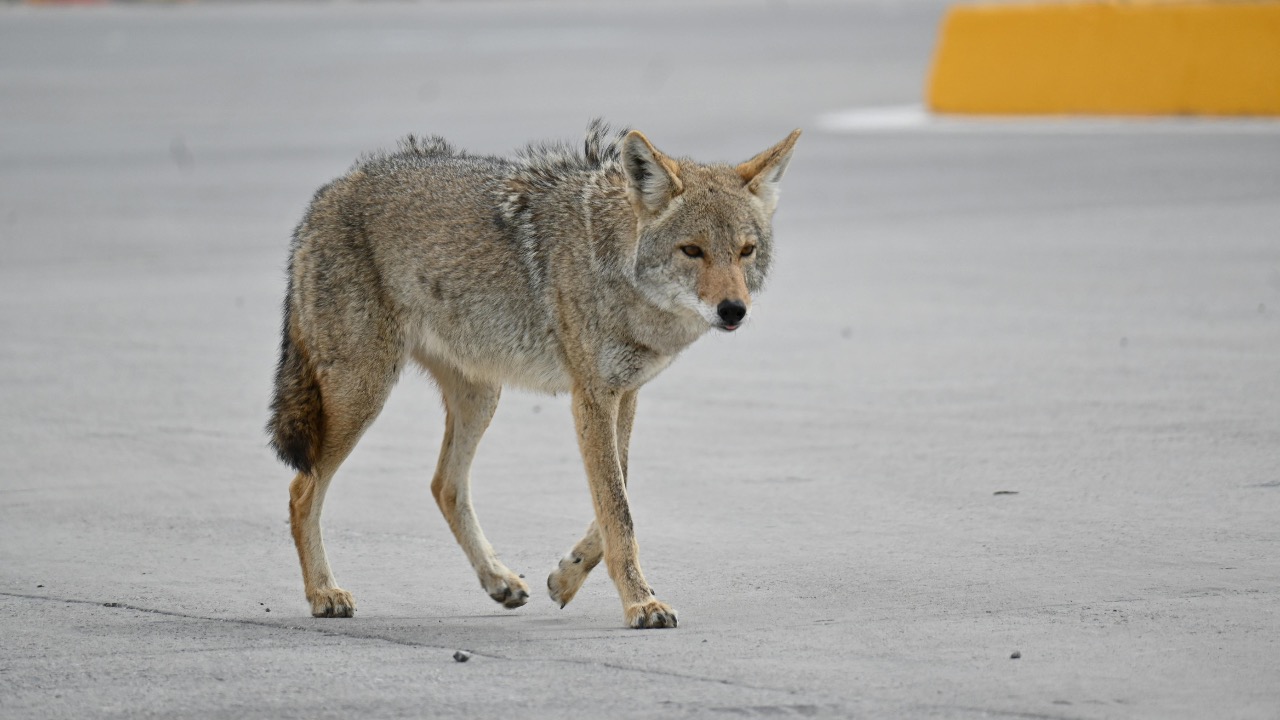
You hear them before you see them. Coyotes have figured out that the edges of cities offer steady food and plenty of cover. Drainages, golf courses, and greenbelts give them everything they need without much pressure.
They’ve adapted to people in a way few predators have. You might spot one trotting down a sidewalk at first light or slipping behind a row of houses after dark. Small pets, unsecured trash, and even rodents around homes all draw them in. They’re not passing through—they’re living there now, and they’re getting comfortable doing it.
Black Bears Are Showing Up Where You Least Expect Them
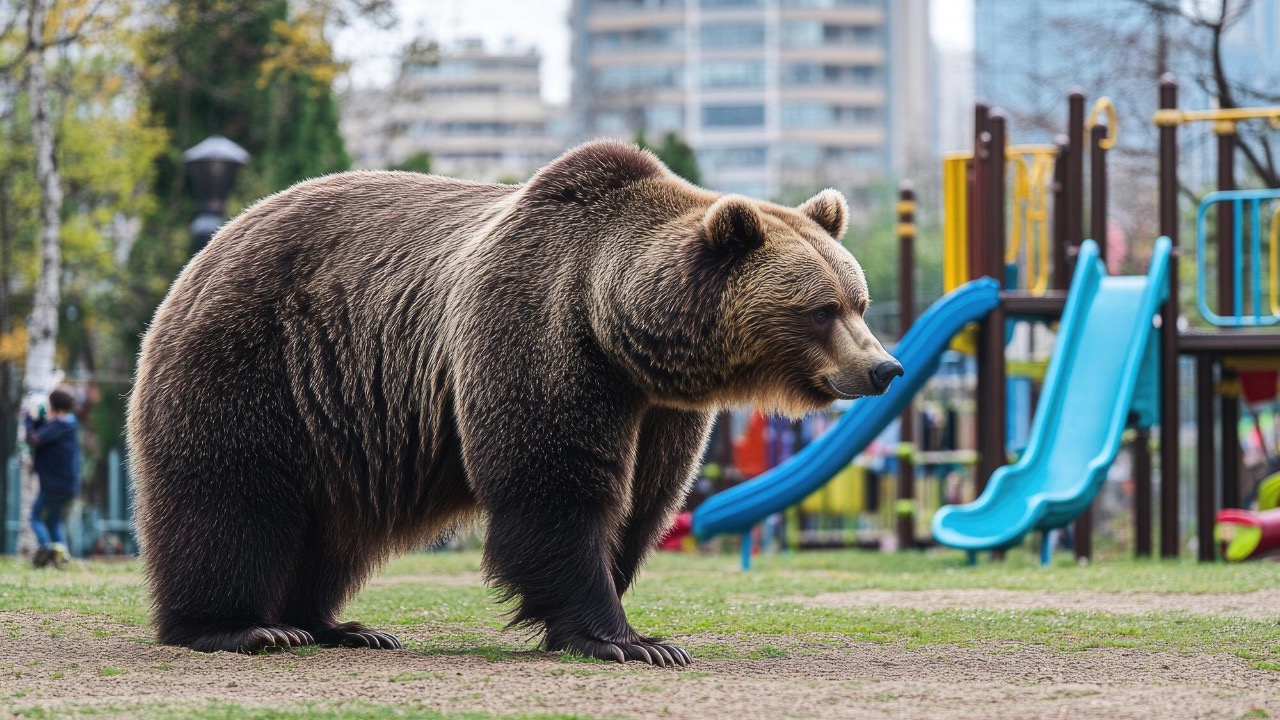
In areas with bear populations, it’s not unusual anymore to see one cross a road near subdivisions or wander through neighborhoods looking for food. Trash cans, bird feeders, and grills become easy targets.
Bears don’t need much encouragement. Once they find a reliable food source, they’ll return. That’s when encounters increase, and situations can turn serious if people don’t give them space. Wildlife agencies have pushed hard on education, but the reality is, more bears are learning that human areas mean easy calories.
Deer Are Thriving in Suburban Pockets
Whitetails have taken full advantage of suburban growth. You’ll find them bedding in small woodlots, feeding in yards, and crossing busy roads like it’s nothing.
Predator pressure is often lower near towns, and hunting access is limited, which lets populations grow. That leads to more vehicle collisions and more close-range encounters than most folks expect. You might not think much of seeing a deer near a shopping center, but it says a lot about how well they’ve adapted to living around people.
Mountain Lions Are Expanding Their Range
Out West and in some parts of the Midwest, mountain lions are showing up closer to towns than they used to. Sightings are still rare, but they’re happening more often.
These cats follow prey, and when deer move into developed areas, lions aren’t far behind. Most of the time, they stay hidden, and people never know they’re there. But when they do get seen—on a trail, near a subdivision—it gets attention fast. It’s a reminder that even top predators are adjusting to shrinking wild spaces.
Raccoons and Skunks Are Becoming Nighttime Regulars
You don’t have to look hard to find raccoons and skunks in town. They’ve been around for years, but their numbers and boldness seem to be growing.
Garbage, pet food, and shelter under decks or sheds make neighborhoods ideal. You’ll hear them knocking things over at night or catch them in the beam of a porch light. Encounters are usually harmless, but they bring concerns about disease and nuisance behavior. These animals aren’t passing through—they’re settled in.
Wild Turkeys Are Moving Into Neighborhoods
Turkeys are showing up in places where you wouldn’t have expected them a couple decades ago. Flocks walking through subdivisions or feeding along roadsides have become a common sight in some regions.
They’re drawn to open spaces, short grass, and easy food sources. While they don’t pose much danger, they can become aggressive during breeding season, especially toward people they see regularly. It’s another case of a species finding a way to use human-altered landscapes to its advantage.
Alligators Are Turning Up in Urban Waterways
In the Southeast, alligators are showing up in retention ponds, golf course water hazards, and drainage systems tied to neighborhoods.
These aren’t random appearances. As development spreads into wetlands, gators end up sharing space with people more often. Most keep their distance, but problems arise when they lose that natural fear. Feeding them—intentionally or not—only makes it worse. It’s one of the more serious encounters you can have near home, and it’s becoming more common in the right parts of the country.
Elk Are Pressuring the Outskirts of Town
In parts of the West, elk are pushing closer to towns, especially during certain times of year. You’ll see them in fields, near roads, and sometimes right on the edge of neighborhoods.
They’re drawn to irrigated ground and areas with less hunting pressure. While they’re impressive to see up close, they’re still large, unpredictable animals. Close encounters can turn dangerous, especially during the rut. Their presence near populated areas shows how shifting habitat and pressure are changing movement patterns.
Snakes Are Showing Up in Yards and Garages
As development pushes into natural areas, snakes lose cover and start showing up in places people don’t expect—yards, garages, even inside homes.
Most encounters are harmless species, but venomous snakes in certain regions raise the stakes. Woodpiles, tall grass, and cluttered areas give them places to hide. You don’t have to be deep in the woods to run into one anymore. It’s becoming a part of living near the edges of wild ground.
You’re not imagining it—wildlife encounters near cities are becoming more common. Animals are adjusting faster than most people realize, and they’re making use of every edge, corridor, and overlooked patch of cover.
If you spend time outdoors, even close to home, you’re part of that shift now.

Asher was raised in the woods and on the water, and it shows. He’s logged more hours behind a rifle and under a heavy pack than most men twice his age.