Why simple firearms are making a quiet comeback
In an era dominated by high-capacity magazines, optics-ready slides, and increasingly complex firearm systems, something unexpected is happening. More shooters are turning back to simpler firearms—single-action revolvers, pump shotguns, bolt-action rifles, and no-frills semi-autos.
It’s not loud. It’s not flashy. But it’s real—and it’s growing.
A Shift Away From Complexity
Modern firearms have come a long way. Red dots, weapon lights, compensators, and modular platforms have made guns more capable than ever. But with that capability comes complexity.
More parts. More maintenance. More things that can go wrong.
For many shooters—especially those who’ve been around a while—that complexity starts to feel unnecessary. Simple firearms offer something different: fewer moving parts, fewer failure points, and a more straightforward experience.
You load it. You run it. It works.
Reliability Still Wins
One of the biggest reasons behind the shift is reliability. Simple firearms tend to be extremely dependable, especially in less-than-ideal conditions.
A well-built revolver doesn’t rely on magazine springs or slide cycling. A pump shotgun can run a wide range of loads without issue. A bolt-action rifle isn’t picky about ammo the way some semi-autos can be.
For hunters, backcountry travelers, and anyone who values consistency over features, that reliability matters more than anything else.
Skill Over Gear
There’s also a mindset shift happening.
Simple firearms force shooters to rely on fundamentals instead of equipment. Without high-capacity magazines or fast follow-up shots, accuracy and shot placement become everything.
That appeals to experienced shooters who want to sharpen their skills instead of relying on gear to make up the difference. It also attracts newer shooters who feel overwhelmed by overly complicated setups.
In a lot of ways, simpler guns slow things down—and that’s exactly the point.
Maintenance and Cost
Another factor is practicality.
Modern tactical setups can get expensive fast. Between optics, upgrades, and accessories, the cost of a fully outfitted firearm can easily double or triple the base price.
Simple firearms, on the other hand, are often more affordable and easier to maintain. Fewer parts mean fewer things to clean, repair, or replace. For many people, that makes them a more realistic long-term option.
Hunting and the Back-to-Basics Movement
The comeback is especially noticeable in the hunting world.
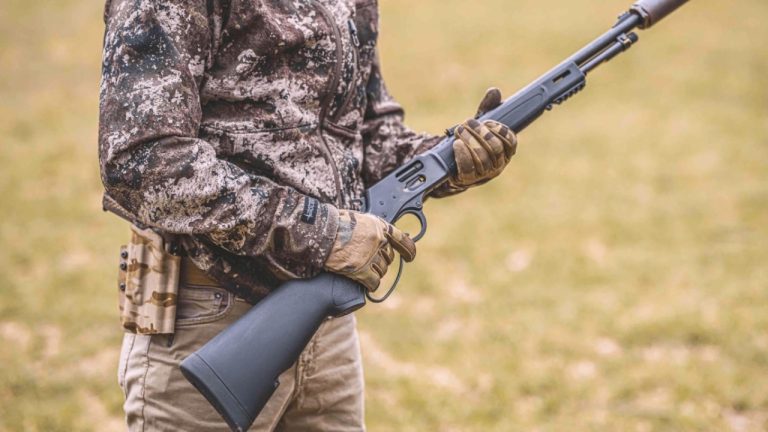
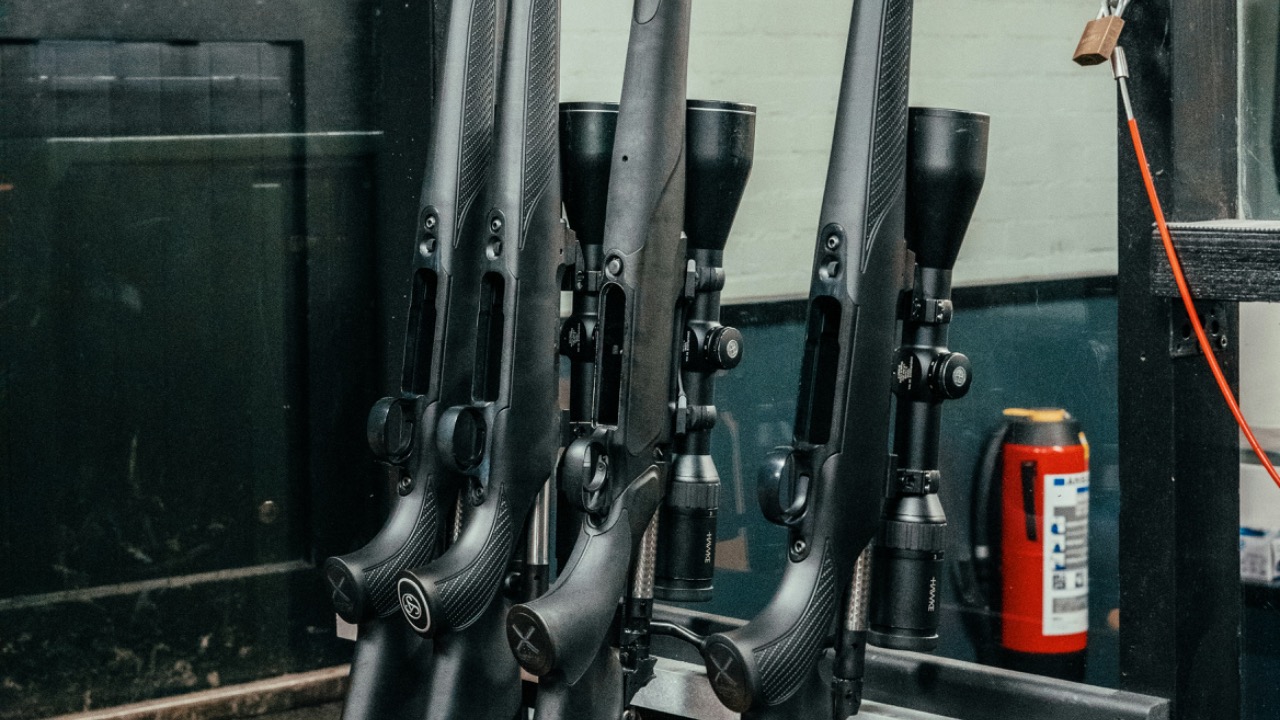
Many hunters are returning to traditional platforms like bolt-action rifles and even lever guns, valuing precision and simplicity over rapid fire capability. In remote environments where gear failure can ruin a trip, dependable and easy-to-maintain firearms make a lot of sense.
There’s also a growing “back-to-basics” mindset in the outdoors community—people wanting to rely less on technology and more on skill. Simple firearms fit perfectly into that philosophy.
Training Value
Even among tactical shooters, simple firearms are being used as training tools.
Running a revolver or a low-capacity firearm forces better reload habits, tighter shot discipline, and greater focus. Mistakes show up immediately, and there’s no hiding behind extra rounds or fast follow-up shots.
It’s a way to build real skill that transfers to any platform.
Not a Replacement—A Rebalance
This doesn’t mean modern firearms are going away. High-capacity, feature-rich platforms still dominate for a reason—they’re effective, adaptable, and widely supported.
But what’s happening now is more of a rebalance.
Shooters are realizing that more features don’t always mean better results. In many cases, a simpler tool does exactly what’s needed—without the extra weight, cost, or complication.
The Bottom Line
The quiet comeback of simple firearms isn’t about nostalgia—it’s about practicality.
Reliability, ease of use, lower cost, and a renewed focus on fundamentals are driving more people to rethink what they actually need.
And for a growing number of shooters, the answer isn’t more—it’s less.

Leo’s been tracking game and tuning gear since he could stand upright. He’s sharp, driven, and knows how to keep things running when conditions turn.