
10 gun laws that critics say miss the mark
Gun laws are one of those topics where the gap between intent and outcome gets wide in a hurry. On paper, many of these rules aim to reduce crime or improve safety. But once they hit the ground, critics—especially gun owners, hunters, and law enforcement in some cases—argue that the results don’t always line up with the goal.
If you’ve spent any time around firearms, you’ve probably seen how policy can miss the practical side of things. Some laws create confusion. Others add layers without fixing the core problem. Here’s a look at several gun laws critics say don’t hit where they’re supposed to.
Assault Weapons Bans That Focus on Features Over Function
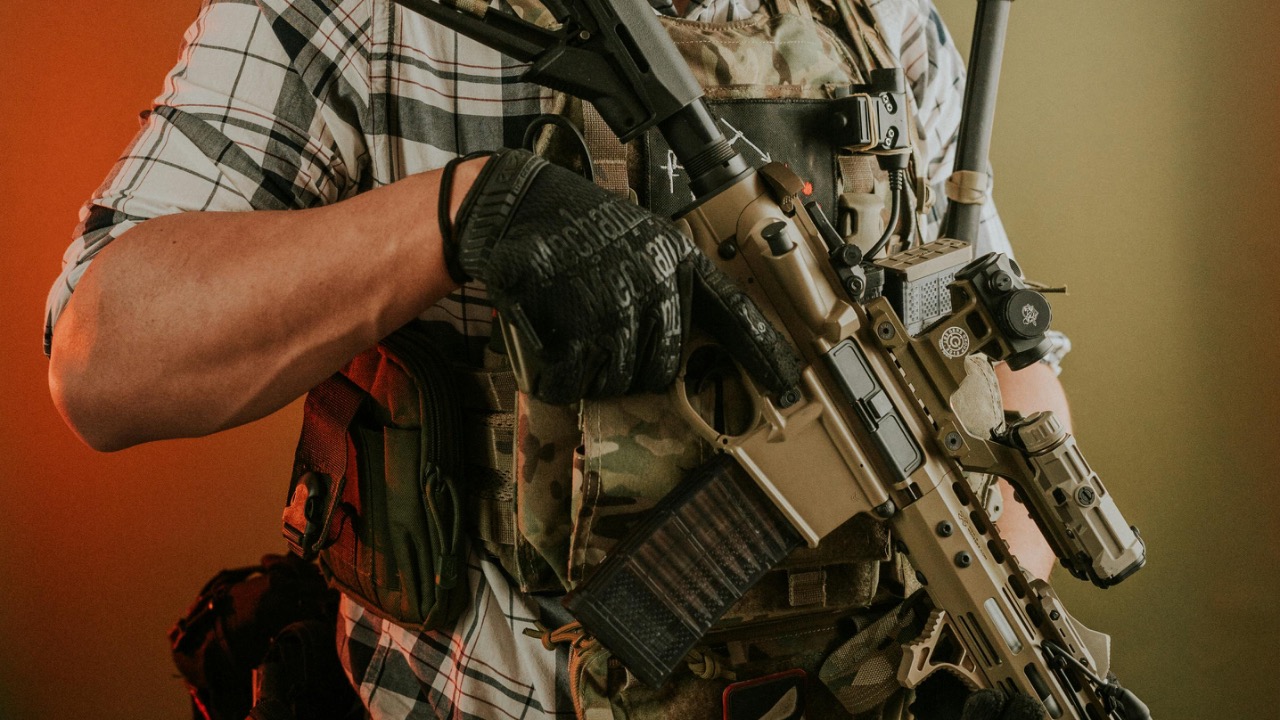
You’ve likely noticed that many assault weapons bans hinge on cosmetic features—things like adjustable stocks, pistol grips, or flash suppressors. Critics argue these don’t change how the firearm actually functions in a meaningful way.
What that means in practice is two rifles can operate nearly identically, but one is legal and the other isn’t based on appearance. That creates confusion for gun owners trying to stay compliant. It also raises the question of whether the law targets actual misuse or simply the look of certain firearms.
Magazine Capacity Limits That Are Hard to Enforce
Magazine limits—often set at 10 or 15 rounds—are intended to reduce the potential harm in a shooting. On paper, that sounds straightforward. In reality, enforcement gets complicated fast.
Standard-capacity magazines are widely owned and easy to keep or move across state lines. Critics point out that individuals intent on breaking the law aren’t likely to follow capacity restrictions anyway. Meanwhile, lawful gun owners are left navigating a patchwork of rules that can change from one state to the next.
Universal Background Check Proposals and Private Sale Loopholes
Expanding background checks to cover private sales is often pitched as closing a gap in the system. Critics don’t necessarily oppose the idea but question how it works in real-world scenarios.
Private transfers between family members or friends can become legally unclear depending on the state. Enforcement is another sticking point—without a clear way to monitor private exchanges, the law can be difficult to apply evenly. That leaves compliant gun owners doing their best to interpret rules that aren’t always clearly defined.
Red Flag Laws and Due Process Concerns
Red flag laws allow courts to temporarily remove firearms from individuals deemed a risk to themselves or others. Supporters see them as a preventative tool, but critics focus on how they’re carried out.
The main concern is due process. In some cases, firearms can be seized before the individual has a chance to defend themselves in court. While the intent is safety, critics argue that the balance between prevention and individual rights isn’t always handled carefully, especially when standards of evidence vary.
Waiting Period Laws That Don’t Fit Every Situation
Waiting periods are meant to create a cooling-off window between purchase and possession. Critics acknowledge the idea but argue it doesn’t apply evenly across all buyers.
If you already own firearms, a waiting period may not change your access at all. On the other hand, someone facing a legitimate threat may be delayed in obtaining a means of defense. That mismatch between intent and outcome is where critics say the law falls short.
Gun-Free Zones That May Not Deter Criminals
Gun-free zones are designed to keep firearms out of certain areas like schools or government buildings. The expectation is that removing weapons increases safety.
Critics argue the opposite can happen. If someone is intent on committing a crime, a posted restriction isn’t likely to stop them. Meanwhile, law-abiding individuals are disarmed in those areas. The concern is that these zones may create soft targets rather than reducing risk.
Complex State-by-State Transport Laws
Traveling with a firearm across state lines can turn into a legal maze. What’s perfectly legal in one state may put you in violation in another.
Critics point out that even responsible gun owners can run into trouble simply by misunderstanding local rules. Differences in storage requirements, magazine limits, and carry laws add up quickly. That complexity doesn’t necessarily stop crime, but it does increase the chances of accidental violations.
Registration Requirements That Raise Compliance Questions
Some states require firearms to be registered with local authorities. The goal is to create accountability and assist in investigations.
Critics question how effective that is when compliance isn’t universal. Individuals who intend to misuse firearms are unlikely to register them in the first place. That leaves a system where lawful owners bear the burden, while the people the law aims to track may never participate.
Restrictions on Homemade Firearms and Enforcement Gaps
Laws targeting homemade firearms, often called “ghost guns,” have increased in recent years. These rules aim to regulate parts and kits that can be assembled into working firearms.
Critics argue enforcement is a challenge. Components can be purchased separately, and the technical know-how is widely available. While the laws attempt to address a real concern, they may struggle to keep pace with how these firearms are actually built and distributed.
Age-Based Purchase Restrictions That Vary Widely
Age limits for purchasing certain firearms differ depending on the type of gun and the jurisdiction. Long guns and handguns are often treated differently, which adds another layer of confusion.
Critics say the inconsistency makes the law harder to follow and enforce. An 18-year-old may legally purchase one type of firearm but not another, depending on where they live. That patchwork approach doesn’t always align with how responsibility and risk are assessed in other areas of law.
You can agree or disagree with any of these, but one thing holds steady—gun laws don’t exist in a vacuum. How they’re written and how they’re applied are two different things. If you’re paying attention, you’ll see that gap show up again and again, especially when policy runs into real-world use.

Asher was raised in the woods and on the water, and it shows. He’s logged more hours behind a rifle and under a heavy pack than most men twice his age.