U.S. Stealth Aircraft Operations Spark International Incident Over European Airspace
Reports of U.S. stealth aircraft activity over Europe have triggered diplomatic concern after allied air defense systems flagged unusual flight behavior tied to highly classified military operations. The situation has raised questions about coordination, airspace transparency, and how covert missions are handled when they pass near or through allied regions.
While stealth aircraft are designed to operate with minimal detection, European air traffic authorities and military observers rely on coordination agreements to track and deconflict flights in shared or nearby airspace. When that communication is limited or classified, it can create confusion among partner nations, even if the operation itself is legally permitted under military agreements.
How stealth operations create diplomatic friction
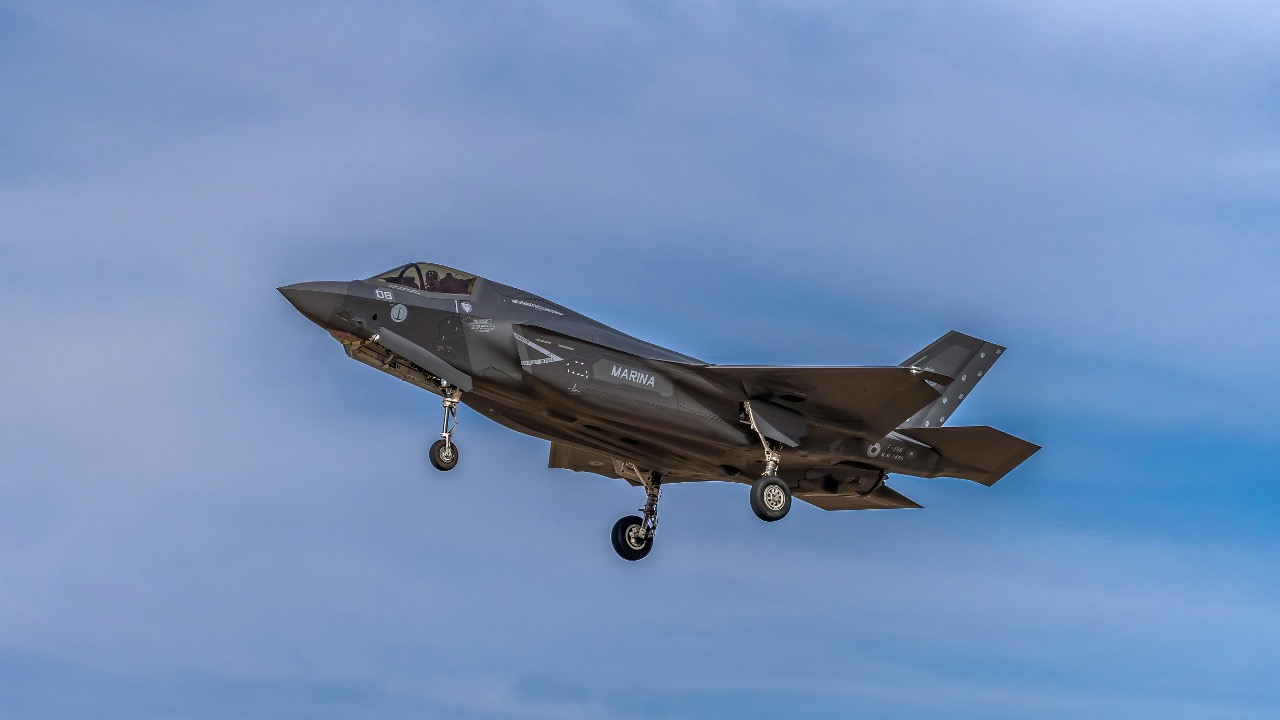
Stealth aircraft missions are often sensitive by design, which means details are tightly controlled and shared only on a need-to-know basis. That secrecy can become a problem when flights intersect with civilian-controlled or NATO-monitored air corridors, where multiple countries rely on shared tracking data.
In past incidents involving U.S. military aircraft operating in Europe, allied nations have occasionally responded with intercepts or inquiries when flight patterns didn’t match expected plans. Even when no rules are broken, the lack of advance notice can be enough to trigger diplomatic questions and formal reviews between defense agencies.
Airspace coordination challenges in Europe
European airspace is one of the most complex in the world, with dense commercial traffic, national defense zones, and NATO-integrated monitoring systems. Military flights are usually coordinated carefully to avoid misunderstandings, especially near civilian corridors or international borders.
When stealth platforms are involved, standard tracking systems may not show full movement data, which can create gaps in situational awareness for air traffic controllers. That doesn’t necessarily mean the aircraft are operating outside approved boundaries, but it can make real-time coordination more difficult and increase the chance of misinterpretation.
Why stealth aircraft raise sensitivity among allies
Stealth aircraft are built to reduce radar visibility, which is a major advantage in combat operations. However, that same feature can complicate peacetime or training flights over allied regions where visibility and coordination are normally expected.
Allied militaries generally understand the need for classified operations, but they also prioritize airspace safety. When detection systems suddenly register unidentified or partially tracked high-performance aircraft, it can trigger precautionary responses, including scrambling intercept jets to visually identify the aircraft and confirm intent.
Military secrecy versus shared airspace rules
The tension in situations like this comes down to balancing operational secrecy with shared airspace management. The U.S. and European allies operate under long-standing defense agreements, but those agreements still rely on a baseline level of communication for routine movement.
When operations are classified, that communication can be intentionally limited, which protects mission details but can strain coordination systems designed for transparency. This doesn’t automatically indicate wrongdoing, but it does highlight the friction between modern stealth warfare capabilities and traditional air traffic control frameworks.
What typically happens after incidents like this
When an airspace incident involving military aircraft occurs, the usual next step is behind-the-scenes coordination between defense ministries and air traffic authorities. These discussions focus on deconfliction procedures, timing, and whether any changes are needed to prevent similar confusion in the future.
In most cases, the situation does not escalate beyond diplomatic clarification. However, repeated misunderstandings can lead to updated protocols or stricter notification requirements for certain types of flights. The goal is usually to preserve both operational security and airspace safety without escalating tensions between allies.

Leo’s been tracking game and tuning gear since he could stand upright. He’s sharp, driven, and knows how to keep things running when conditions turn.