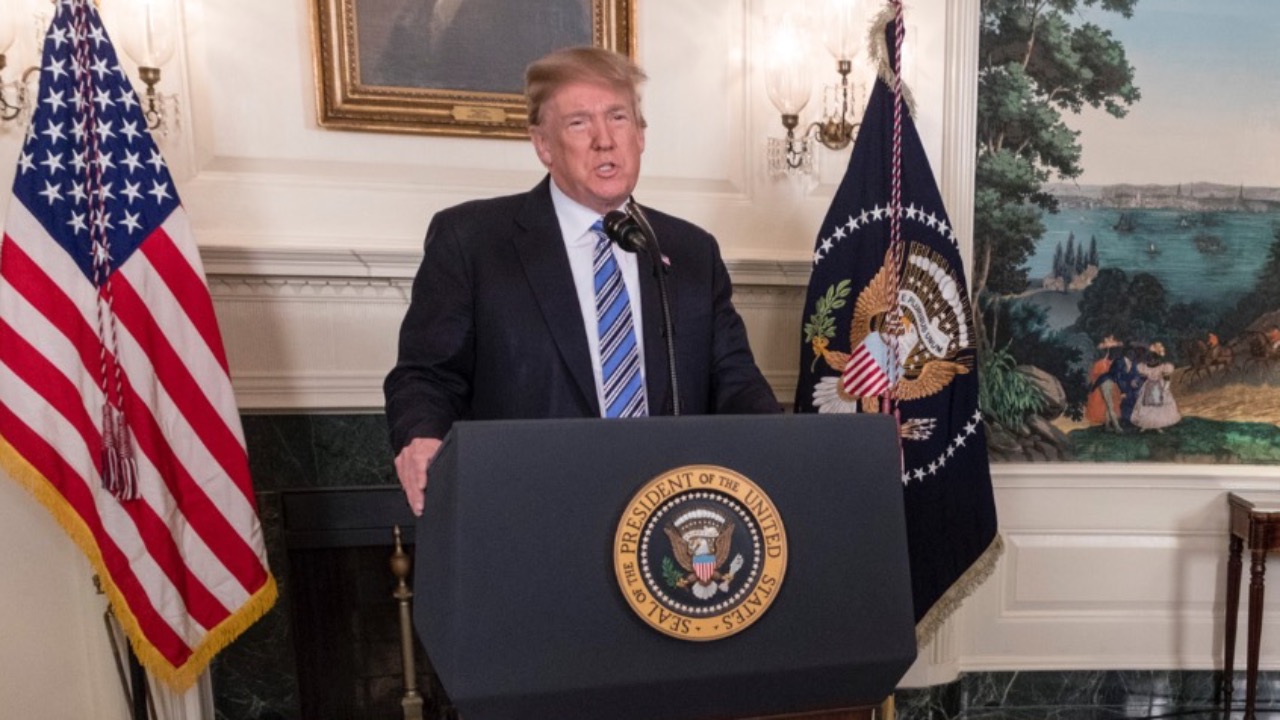
Trump Cites Incident at White House Correspondents’ Dinner as Reason for Proposed New Ballroom
You saw the reports over the weekend about the chaos that unfolded at the Washington Hilton during the annual White House Correspondents’ Association dinner. An armed man tried to force his way toward the ballroom where President Trump and hundreds of guests had gathered. Shots rang out, security rushed in, and the event came to an abrupt halt with people taking cover and the president being evacuated. Trump wasted little time connecting the scare directly to his long-standing push for a large, secure ballroom on White House grounds. He argued that such an incident could have been avoided entirely if events like this took place in a controlled environment right at the executive mansion.
The moment brought fresh attention to questions about presidential security and the practical challenges of hosting major gatherings away from the White House. For years presidents have dealt with the limitations of available space inside the historic buildings, but this latest event has intensified the debate.
What unfolded inside the Hilton ballroom
You can picture the scene from the accounts that have emerged. Guests in formal attire suddenly found themselves dropping to the floor as security moved quickly through the aisles. The president, first lady, and vice president were escorted out amid the confusion while agents with weapons took positions near the stage. Outside the main doors, the attacker was stopped by law enforcement. The whole episode lasted only minutes but left everyone shaken.
Many journalists and attendees described initial uncertainty about whether the noise was something routine like dropped trays or something far more serious. Once the threat became clear, the evacuation proceeded in an orderly but tense fashion. The dinner itself never resumed, and the episode has now become a focal point in discussions about where high-profile Washington events should happen in the future.
Trump’s direct link to the ballroom project
You hear the president making the case plainly in his statements afterward. He posted that the Saturday night events showed exactly why a secure ballroom on White House property makes sense. In his view, the military, Secret Service, and law enforcement have wanted this kind of facility for a long time because it would allow events to occur under full presidential protection without relying on outside venues.
He has repeated the point in briefings and interviews, noting that past presidents also recognized the need for better indoor space. The recent scare, according to Trump, simply adds urgency to construction that is already underway despite ongoing legal challenges. The project includes plans for substantial security features that go well beyond a standard event space.
Background on the East Wing plans
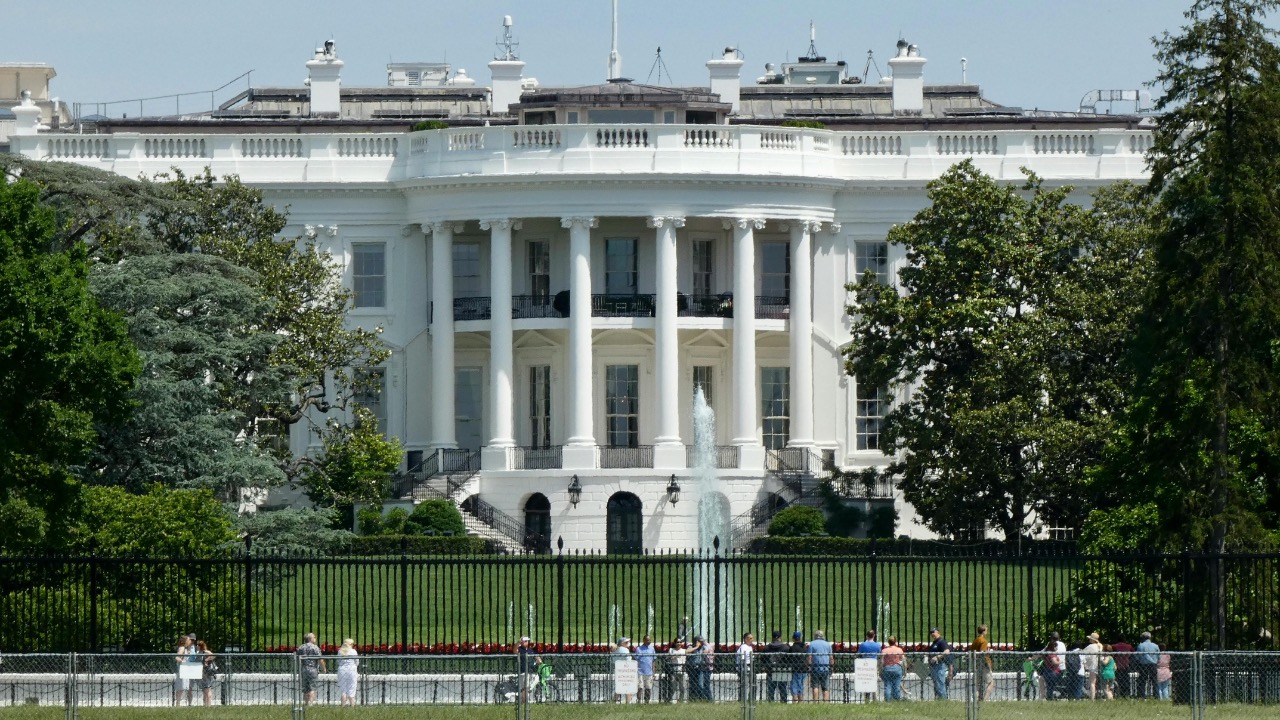
You may recall that work on the new ballroom involves the East Wing area, where significant changes have taken place. The proposal calls for a large hall capable of holding around a thousand people, along with associated secure infrastructure below ground. Trump has described it as essential for hosting dinners, receptions, and other functions that currently require moving to hotels or other locations.
Previous administrations have expanded or modified White House spaces over the decades, but this effort stands out for its scale and the speed at which Trump has tried to advance it. Supporters see it as a practical response to modern security demands, while others question the necessity and the impact on the historic grounds.
Security arguments driving the push
You consider the core rationale here. Holding major events off-site always involves layers of coordination with local authorities and private venues. The Hilton incident highlighted how quickly a threat can develop even with standard protections in place. A White House ballroom, the argument goes, would operate under constant Secret Service oversight with integrated defenses from the start.
Officials point out that presidents attend numerous functions each year where similar risks exist. Moving those gatherings onto the grounds could reduce variables and response times. Trump has emphasized that this is not a new idea but one that recent events have made impossible to ignore.
Legal hurdles and preservation concerns
You notice the project has faced repeated court challenges from groups worried about historic preservation. Lawsuits have slowed progress, with judges issuing blocks at different stages. The Justice Department has now referenced the dinner incident in efforts to resolve those cases and move forward.
Critics maintain that the White House campus already carries enough protected status and that adding such a large structure changes the character of the site in ways that deserve careful review. The administration counters that security needs outweigh those objections, especially after what happened on Saturday.
Reactions across Washington
You see a range of responses taking shape. Republicans have largely rallied behind the idea, viewing the shooting attempt as clear evidence that stronger measures are required. Some Democrats and media figures acknowledge the security point but raise questions about cost, timing, and priorities.
The press corps itself, which organizes the annual dinner, finds itself in an unusual position. Many who cover the White House daily now weigh the practical realities of venue safety against traditions that have lasted for decades. The conversation continues as investigations into the attacker proceed.
Looking ahead to potential changes
You think about what this could mean for future gatherings. If the ballroom moves ahead on schedule, events like the correspondents’ dinner might eventually relocate to the White House itself. That shift would alter logistics, guest lists, and the overall atmosphere of these nights. Trump has suggested the new space could be ready in coming years and would set a new standard for safety.
For now, the proposal remains a work in progress amid litigation and public debate. The weekend events have given proponents fresh momentum, but the full outcome will depend on how courts and Congress ultimately weigh the competing interests involved. The discussion touches on larger themes of presidential security in an unpredictable time.

Asher was raised in the woods and on the water, and it shows. He’s logged more hours behind a rifle and under a heavy pack than most men twice his age.