Venomous ants spread to 20 US states as experts warn of risks to public
Chances are you have walked through a backyard or wooded patch without giving the ground much thought. Yet right now an invasive ant species native to East Asia is expanding its range across the country in ways that public health specialists and entomologists are watching closely. First spotted here back in the 1930s, the Asian needle ant has surged in numbers over the past decade and turned up in roughly 20 states. Its sting delivers venom that causes sharp pain and, in some people, a serious allergic reaction. The spread is happening quietly, often in places you would not expect, and officials want you to know what is out there before you run into it.
The Arrival and Quiet Expansion of Asian Needle Ants
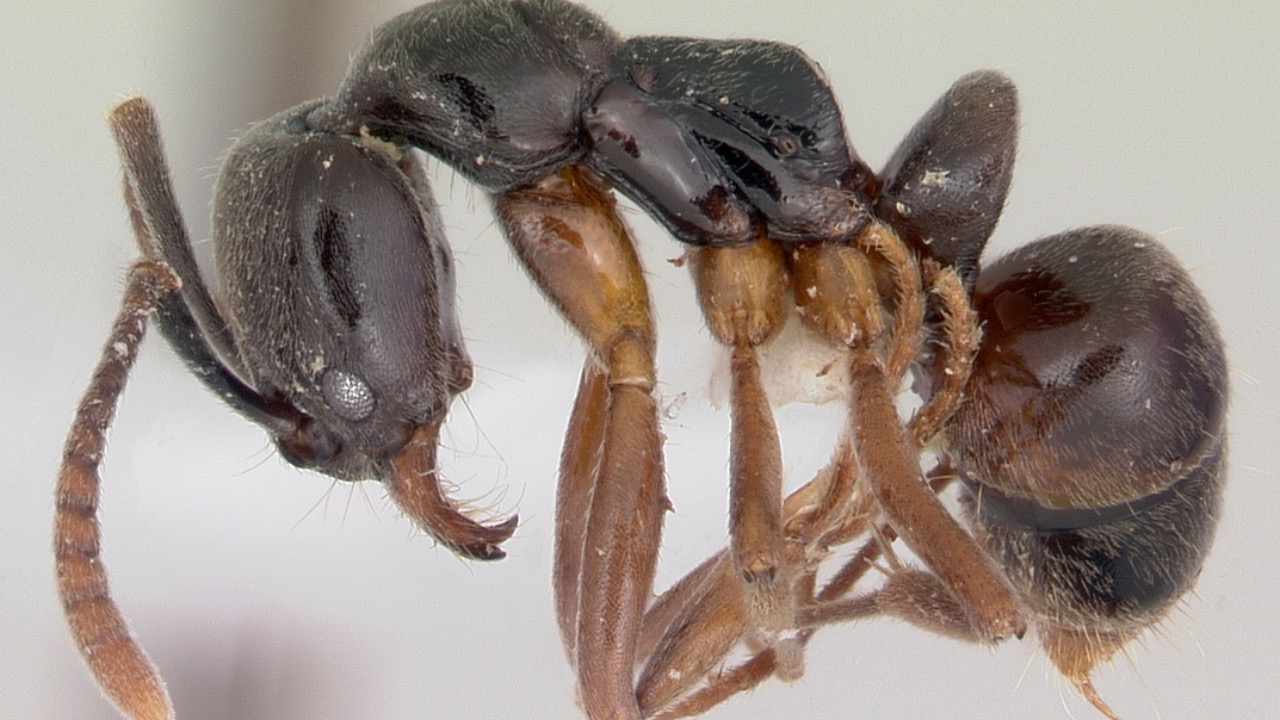
These ants slipped into the United States decades ago but stayed under the radar for a long time. Their population stayed low until recent years when warmer winters and adaptable habits let them push into new territory. You will find them now from the Southeast up through parts of the Northeast and even into the Midwest and Pacific Northwest. Researchers who monitor invasive insects say the ants thrive in both disturbed soil near homes and deeper forest floors. That flexibility explains why they keep showing up in places far from their original entry points. They move slowly but steadily, hitching rides on soil, plants, or landscaping materials that people carry from one yard to another.
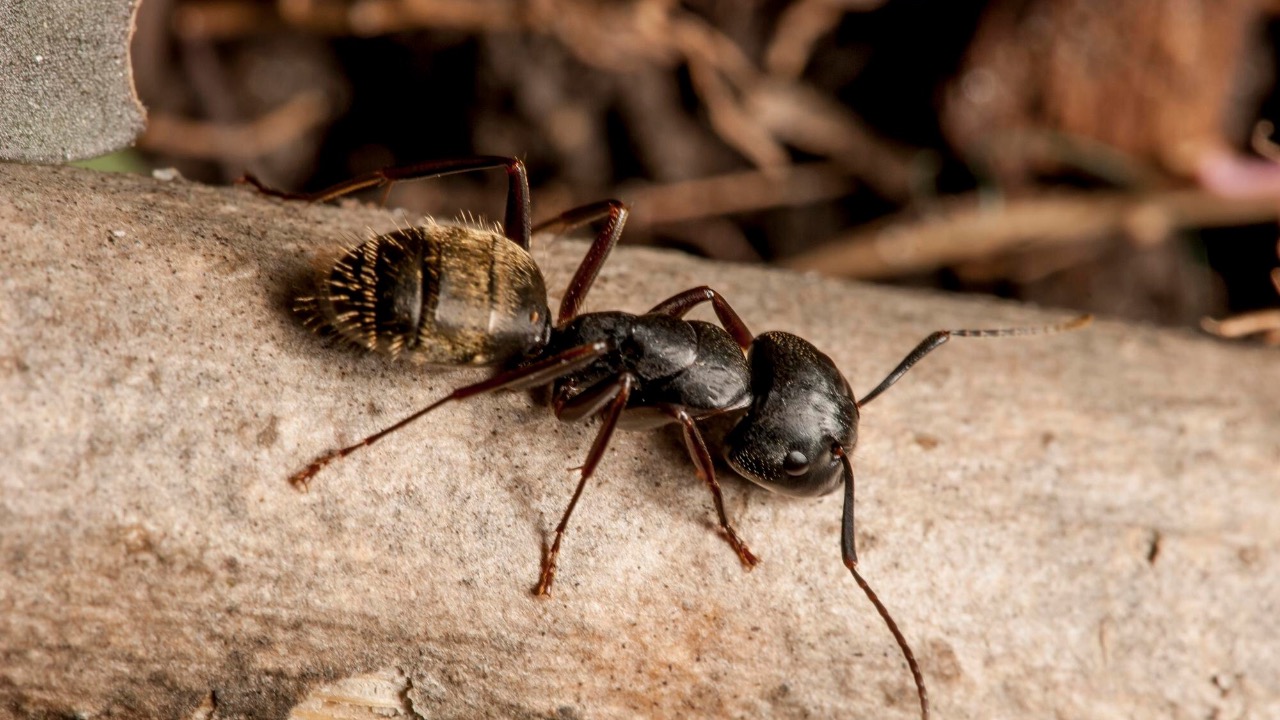
The ants themselves are small, usually less than a fifth of an inch long, and dark brown to black. They nest in leaf litter or under rocks rather than building the tall mounds you associate with fire ants. Because their colonies stay hidden, many homeowners never realize the ants have moved in until someone gets stung. Entomologists emphasize that the expansion is real and ongoing, even if it does not make headlines every day.
What Sets Their Sting Apart from Other Ants
Unlike fire ants that swarm and sting repeatedly when their mound is disturbed, Asian needle ants tend to sting only when they feel directly threatened. Still, the venom they inject creates an intense burning sensation that people often describe as liquid fire running under the skin. For most folks the pain fades within an hour or two, but anyone with a history of insect allergies faces the risk of anaphylaxis. Doctors have seen cases where breathing becomes difficult and blood pressure drops fast.
Health officials note that the ants do not hunt people the way some aggressive species do. You are far more likely to get stung while moving logs, clearing brush, or reaching into dark corners of a garden shed. The sting site usually swells and itches for a day or two afterward. Keeping an eye on how your body reacts matters, especially if you have had strong reactions to bees or wasps before.
States Now Facing the Presence of These Invasive Insects
Reports confirm the ants in at least 20 states, with the heaviest concentrations running from Florida and Georgia up the East Coast through Virginia, the Carolinas, Tennessee, Kentucky, and into Pennsylvania and New York. They have also reached Alabama, Mississippi, Arkansas, Ohio, Maryland, Connecticut, Rhode Island, Massachusetts, Wisconsin, Texas, and Washington state. That list keeps growing as monitoring improves and people send in samples.
If you live in any of those areas, the ants could already be in your neighborhood. They do not need perfect southern heat to survive; cooler climates suit them fine as long as there is enough moisture and cover. Northern states that once seemed safe now report scattered colonies, which tells experts the range is still shifting.
The Ecological Toll on Local Habitats and Wildlife
Beyond the sting risk, these ants disrupt the balance in forests and backyards. They compete with native ant species for food and nesting spots, often pushing out the locals. That shift ripples through the food chain because native ants play key roles in seed dispersal and soil health. In some wooded areas researchers have documented fewer native insects and changes in the plants that rely on them.
You might not see the damage at first glance, but over time the loss of local ants can leave gaps that other invasives fill. Forest managers worry about long-term effects on biodiversity, especially in parks and preserves where people hike and picnic. The ants do not destroy trees outright, yet their steady takeover changes the ground-level ecosystem in ways that are hard to reverse once established.
Why Their Numbers Have Surged in Recent Years
Something changed in the last ten to fifteen years that let these ants multiply faster. Milder winters probably helped colonies survive the cold months, and increased movement of nursery stock and soil across state lines gave them easy transport. Urban sprawl also created more edge habitats where the ants feel at home. Entomologists at universities in the Southeast have tracked the uptick and now classify the species as a medical pest in affected regions.
Peak activity hits in July and August when colonies are largest and workers are most active. That timing lines up with backyard barbecues, gardening, and trail hikes, so more people end up in contact with them during those months. The surge caught many local agencies off guard because the ants stayed low-profile for so long.
Recognizing the Ants Before Trouble Starts
Spotting an Asian needle ant takes practice. They look like ordinary small black or dark brown ants at first glance, but they move with a distinctive jerky gait when disturbed. Their bodies are slender compared with the bulkier fire ants, and they lack the reddish tint you see on many common yard ants. You rarely see large mounds; instead look for small piles of soil or activity around rotting logs and leaf litter.
If you spend time outdoors in any of the listed states, slow down when you flip over a rock or move mulch. A quick glance at the workers can tell you whether you need to be extra careful. Apps and extension service guides now include clear photos so you can compare what you find against known images.
Steps to Take After an Unwelcome Encounter
Should you get stung, the first move is to wash the area with soap and water to reduce the chance of secondary infection. Ice wrapped in a cloth helps bring down swelling, and an over-the-counter antihistamine can ease the itch. If you notice hives, dizziness, or trouble breathing, head to the nearest emergency room right away because those signs point to a stronger reaction.
Keep the sting site clean for the next couple of days and watch for increasing redness or pus. Most people recover quickly, but having the facts in advance keeps panic from making things worse. Public health departments in several states now list the ants on their invasive-species pages with basic first-aid reminders.
How Homeowners and Communities Can Respond
You do not need to panic or start spraying every inch of your property. Simple steps go a long way: wear gloves when you handle firewood or garden debris, keep woodpiles away from the house foundation, and seal cracks where ants might enter. Landscapers and parks departments are already adjusting their monitoring routines to catch new colonies early.
Local extension offices offer workshops and fact sheets tailored to each region. By staying informed and sharing what you see with neighbors or county agents, you help slow the spread without turning your yard into a chemical battlefield. The goal is smart management rather than eradication, because these ants are here to stay for the foreseeable future.
Looking Ahead at the Ongoing Challenge
Scientists expect the ants to keep filling in gaps between existing populations rather than stopping at state lines. Climate trends and continued trade in plants mean the range could widen further north and west over the next decade. Researchers are studying natural predators and better detection methods to give land managers more tools.
In the meantime, awareness remains your best defense. Pay attention to your surroundings when you are outside, especially during the warmer months, and pass along what you learn to friends and family. The ants are not out to get anyone, but knowing they are around lets you enjoy the outdoors without unnecessary surprises. Public health experts and entomologists will keep tracking the situation, and the information they share will help everyone stay one step ahead.

Asher was raised in the woods and on the water, and it shows. He’s logged more hours behind a rifle and under a heavy pack than most men twice his age.