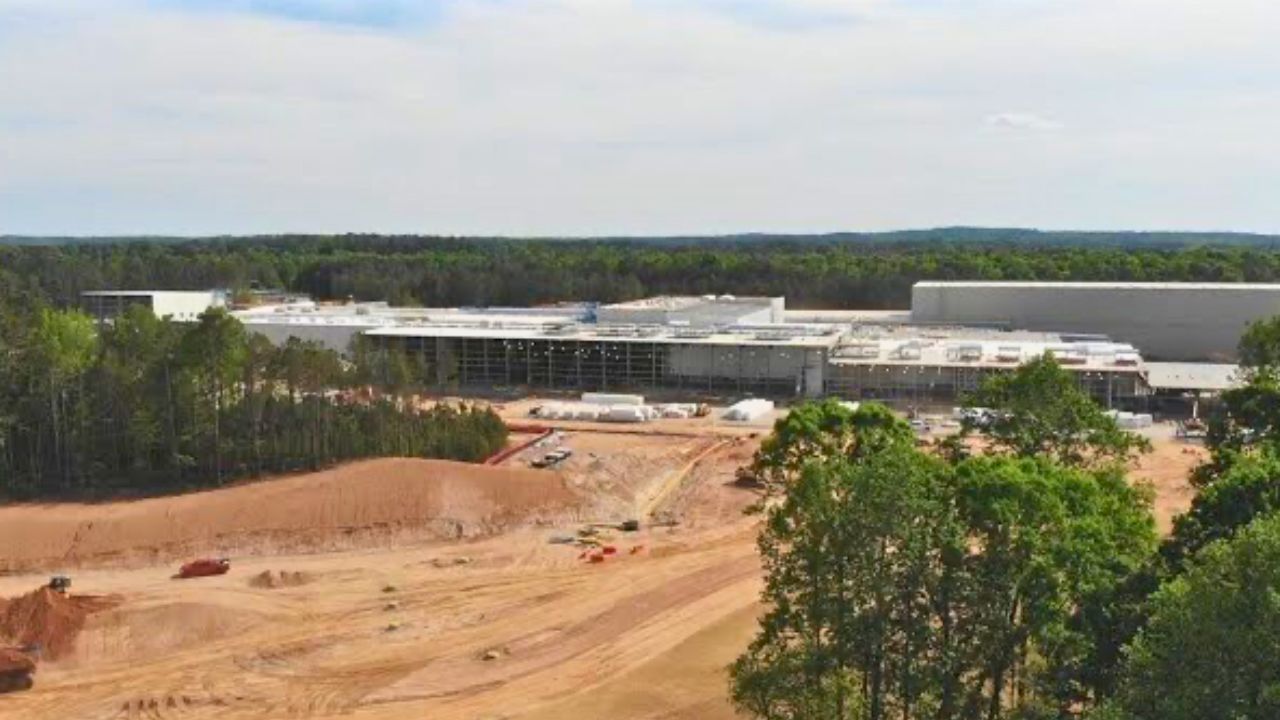
Meta data centre in Georgia consumes 500,000 gallons of water daily – 10% of entire county’s supply – amid growing local shortages
A major data center connected to Meta is drawing attention in Georgia after reports showed the facility uses around 500,000 gallons of water per day. That amount reportedly equals roughly 10% of the county’s total daily water supply, raising concerns among residents as local shortages and infrastructure pressure continue to grow.
The issue highlights a larger debate surrounding modern data centers and the resources they require to operate. While these facilities support everything from social media platforms to cloud computing systems, they also consume massive amounts of electricity and water, especially in warmer regions where cooling systems run constantly.
Why data centers use so much water
Large data centers generate enormous amounts of heat because of the servers operating inside them around the clock. To prevent overheating, facilities often rely on industrial cooling systems that use significant amounts of water every day.
In areas where water supplies are already strained, that level of usage can quickly become controversial. Residents in some communities argue that local infrastructure was never designed to support facilities operating at that scale, especially as populations continue growing alongside industrial demand.
Local concerns continue to grow
People living near the Georgia facility have raised concerns about whether long-term water availability is being prioritized properly. Some residents worry that rapid industrial expansion is outpacing the county’s ability to manage resources during dry periods or future drought conditions.
Others question whether ordinary households and small businesses are being asked to conserve water while large corporate facilities continue operating with few visible restrictions. That contrast has become a major source of frustration in public meetings and local discussions.
Economic benefits versus resource strain
Supporters of large data center projects often point to the jobs, tax revenue, and infrastructure investment they can bring to an area. Local governments sometimes compete aggressively to attract these facilities because of the economic activity tied to long-term development.
Critics, however, argue that the number of permanent jobs created by data centers can be relatively small compared to the amount of land, electricity, and water they consume. That has led some communities to question whether the trade-offs are always worth it, particularly in areas already dealing with resource limitations.
A growing national issue
The Georgia situation reflects a broader national conversation as tech companies continue expanding artificial intelligence systems, cloud storage operations, and server infrastructure. Data centers are becoming larger and more resource-intensive, which means more communities are facing similar questions about sustainability.
Water usage has become one of the biggest concerns because cooling demands can remain high year-round. As more facilities are built across the country, pressure is increasing on companies and local governments to find ways to reduce environmental impact without slowing technological expansion.
What happens next
Local officials are expected to continue reviewing water management policies as pressure from residents grows. Discussions could eventually include stricter usage agreements, infrastructure upgrades, or additional reporting requirements tied to industrial consumption.
For now, the debate reflects a larger challenge facing many fast-growing areas across the United States: balancing economic development with limited natural resources. As demand for digital infrastructure rises, conflicts over water access and sustainability are likely to become more common.

Leo’s been tracking game and tuning gear since he could stand upright. He’s sharp, driven, and knows how to keep things running when conditions turn.