Fifteen hunting rounds that kill deer cleanly without ruining meat
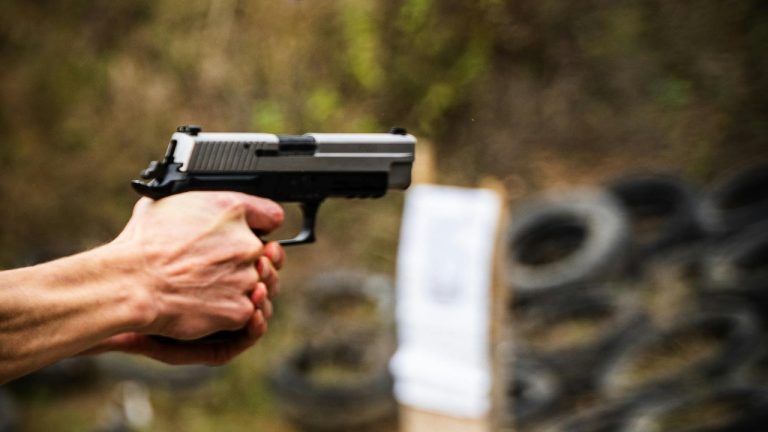
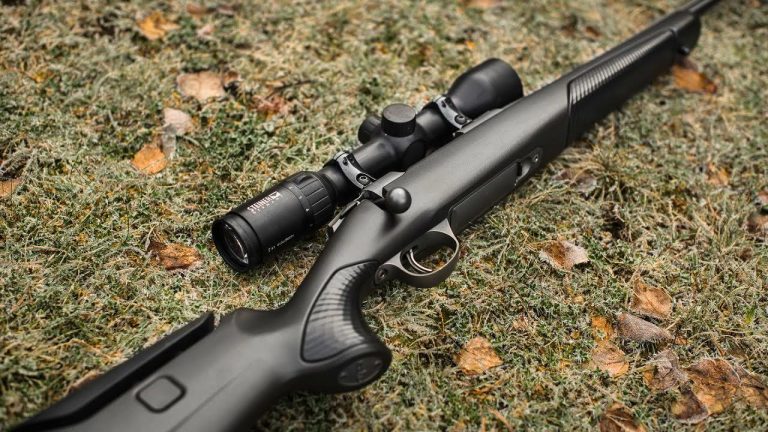
Ethical deer hunters want animals to die quickly and meat to come out of the cooler in clean, usable slabs instead of bloodshot scraps. The cartridges and bullets you choose decide whether a buck drops in seconds or runs off with ruined shoulders and lead fragments scattered through the roast. The most reliable combinations balance moderate speed, controlled expansion and smart shot placement so deer die fast and the butcher keeps more of what you worked for.
Why “meat‑friendly” deer rounds share the same DNA

Across modern testing and field reports, the same pattern keeps surfacing: cartridges that kill cleanly without shredding venison tend to push mid‑weight bullets at moderate velocities. When I look at load data and gel tests, the sweet spot for whitetails usually sits around 120 to 143 g in controlled‑expansion designs, which open reliably but do not explode on impact. That weight range gives enough sectional density to punch through ribs and reach the far lung, yet it avoids the hyper‑speed shock that turns shoulders into jelly.
Bullet construction matters as much as caliber. Bonded cores and all‑copper designs hang together as they mushroom, so they dump energy in the chest cavity instead of fragmenting through the front quarter. Solid copper styles in particular tend to retain nearly all their mass, which keeps wound channels deep but narrow and limits bloodshot meat around the entrance and exit. When I compare these to very light, rapid‑expansion cup‑and‑core bullets, the difference in recovered venison is stark, which is why many meat hunters now lean toward controlled expansion in that 120 to 143 g window backed by modern powders and consistent factory loads.
Speed, bone and the cartridges that waste venison
Most ruined deer are not victims of “too much gun” in the abstract, they are casualties of excessive speed meeting the wrong bullet in the wrong place. High‑velocity loads that hit heavy bone can create a shock wave of shattered tissue, even when the shot lands in the classic chest window. Detailed reporting on meat loss points to a simple formula: when impact velocity climbs and bullets are built to open violently, a double‑lung hit through the shoulder can still destroy large sections of front quarter. That is why some hunters who favor very fast magnums quietly admit they lose more trim than friends shooting milder rounds.
Independent testing has also shown that construction and impact speed drive how far fragments travel from the wound channel. Research on Rapid Expansion designs notes that some bullets are manufactured for calibers that are too small for big game and can shed a high percentage of their weight instead of holding together. A separate study on Bullets found that lead fragments can persist in game meat and in discarded viscera that scavengers eat, which raises both food safety and wildlife concerns. Put together, the evidence argues for dialing back speed, avoiding ultra‑frangible projectiles on deer and keeping shots off the heavy shoulder knuckle when you care about meat.
Classic mid‑calibers: .243, .270 and .308
Among traditional deer rounds, the lightest legal option in many states is the .243 Winchester, which has earned a reputation as a mild, meat‑friendly killer when paired with sturdy bullets. One Colorado hunter noted that 22’s are illegal for deer there and that the minimum is a . 243 caliber, adding that there are Lots of good choices in that cartridge for heart‑lung shots just behind the front leg. For longer ranges, the 270 Winchester stretches the effective envelope with sleek bullets and flat trajectories, while still sitting in that moderate recoil, moderate velocity band that tends to spare shoulders when shots are placed through the ribs.
When I compare 270 to 308 in ballistics tables, the tradeoff is clear. If effective range matters more than anything else, the 270 takes the trophy with its flatter arc, but from an all‑around big‑game standpoint the winner is the 308 Winchester for versatility and bullet selection. A separate comparison of 243 vs 308 notes that if you will be shooting deer at unusually long distances, you will want to choose the . Winchester for its increased stopping power, while the lighter round can still be the right fit for closer work. In practical terms, all three of these mid‑calibers can drop deer quickly with minimal meat loss when loaded with controlled‑expansion bullets in that 120 to 143 g band and driven at reasonable speeds.
Lever‑gun legends: .30‑30 and .45‑70 done right
In thick timber and brush, lever‑action classics still dominate deer camps, and they can be surprisingly gentle on meat when used within their lane. One long‑time hunter in a public discussion said they would use 30/30 for short brush shots and had used one for years in wooded areas, focusing on a heart‑lung shot that drops deer quickly, while others in the same thread debated neck or spine hits and how they anchor animals. That conversation, which referenced Nov and how to Take ethical shots Where brush is thick, underscores that even modest cartridges can ruin meat if you drive bullets through heavy bone instead of the chest cavity.
On the heavier end of the lever spectrum, the .45‑70 has evolved from a rainbow‑trajectory relic into a modern, flexible deer round. Expert overviews point out that you can Shop .45‑70 Government Ammo and that Although early 45, 70 G loads were slow, modern 45 and 70 options use better bullets and powders to deliver strong terminal performance at moderate ranges. A separate comparison of .45‑70 vs .30‑30 notes that Both the 45 and 70 deliver solid Terminal Performance at woods distances, with the 30‑30 shooting much lighter bullets on a flatter trajectory. For meat hunters, the lesson is to keep these cartridges inside their effective range, choose controlled‑expansion bullets instead of ultra‑soft designs and favor rib‑cage shots that avoid smashing big shoulder bones.
Low‑recoil and suppressed options that still hit hard
Not every deer hunter wants or needs a thumping shoulder. Low‑recoil cartridges can still kill decisively while preserving meat, especially when paired with modern bullets. A detailed look at low‑recoil hunting rounds highlights the 6mm Creedmoor and notes that its big brother, the 6.5 Creedmoor, is absent from that particular list only because of how the test was framed, not because it lacks killing power. Another overview of practical calibers points out that Most deer hunters take shots inside 150 yards, which is where moderate‑speed rounds shine by limiting bloodshot tissue while still punching through the vitals.
For shooters sensitive to recoil, newer designs like the 6 ARC have drawn praise in user forums, where one WKR member with Joined Sep status and 338 Messages called ARC the best choice for minimal recoil, while noting limited factory ammo. Suppressor users are also gravitating toward compact rifles like the Ruger American in 300 Blackout, with one hunter saying they had seen recommendations for a Ruger American in 300 Blackout for quiet whitetail setups. In my experience, these softer‑shooting rounds encourage better shot placement, which does more to protect meat than any marginal gain in raw energy from a harder‑kicking cartridge.
Fifteen proven deer rounds that spare the freezer
When I stack up field reports, lab tests and ballistic charts, fifteen cartridges consistently emerge as strong choices for quick kills with limited meat damage. On the lighter end, the .243 Winchester, 6mm Creedmoor, 6 ARC and 6.5 Creedmoor all fit the profile of moderate speed, efficient bullets and manageable recoil. In the middle, the 270 Winchester, 7mm‑08, .308 Winchester, .30‑30 and .25‑caliber offerings like the .25‑06 and newer .25 RPM from companies such as Weatherby give hunters flexible options from tight woods to open fields. Heavier hitters like the .30‑06, .280, .45‑70 and similar rounds round out the list for those who want more authority on larger‑bodied deer or mixed big‑game seasons.
What unites these fifteen is not a magic caliber stamp but how they are typically loaded. Coverage of meat‑friendly rounds stresses that if you want quick kills and clean cuts, you should look for cartridges that push a moderately sized bullet at reasonable speed, then pair them with controlled‑expansion designs instead of ultra‑light screamers. One analysis of 15 hunting options emphasizes that approach, while another breakdown of Solid copper and bonded bullets notes that they tend to cause less peripheral damage than faster, lighter setups. For hunters who want to modernize further, recent coverage of the Top Best New Ammo Releases for 2026, including Weat branded speed kings, shows how manufacturers are tuning new cartridges to hit that same balance of lethality and meat preservation.
Bullet construction, shot placement and the last 10 percent
Even the best cartridge can waste venison if the bullet is wrong or the shot is careless. Detailed guidance on choosing deer bullets highlights a short list of proven designs, including the Swift Scirocco, which Remington loads in its Premier line, and the Swift A‑Frame among the Eight Great Deer. In user discussions, hunters echo that preference, with one saying simply, “I use Nosler Accubond as well,” underscoring how bonded and monolithic bullets have become the default for ethical shots that still protect meat. Independent tests of homogeneous designs like the Barnes TTSX describe how they are Constructed to retain almost 100 percent of their weight, which keeps wound channels predictable and reduces stray fragments in the roast.
Shot placement is the final variable that separates a clean, quick kill from a long track and a pile of bloodshot trim. Detailed reporting on cartridges that ruin deer meat notes that Meat loss usually is not bad shooting alone, but that You can make a clean double‑lung hit and still see excessive damage if impact speed and bullet choice are wrong, especially inside Meat loss ranges. At the same time, seasoned hunters in that earlier discussion about 30‑30s stressed that a heart‑lung shot through the ribs, or a precise hit at the brachial plexus that anchors the deer on the spot, can drop animals so fast they “will not take another step.” When I weigh all of this, the pattern is clear: pick a moderate, proven deer cartridge, feed it a controlled‑expansion bullet, keep impact speeds reasonable and aim for the chest cavity instead of heavy bone. Do that, and those fifteen rounds will give you what you came for, a quick kill and a cooler full of clean, usable meat.

Leo’s been tracking game and tuning gear since he could stand upright. He’s sharp, driven, and knows how to keep things running when conditions turn.