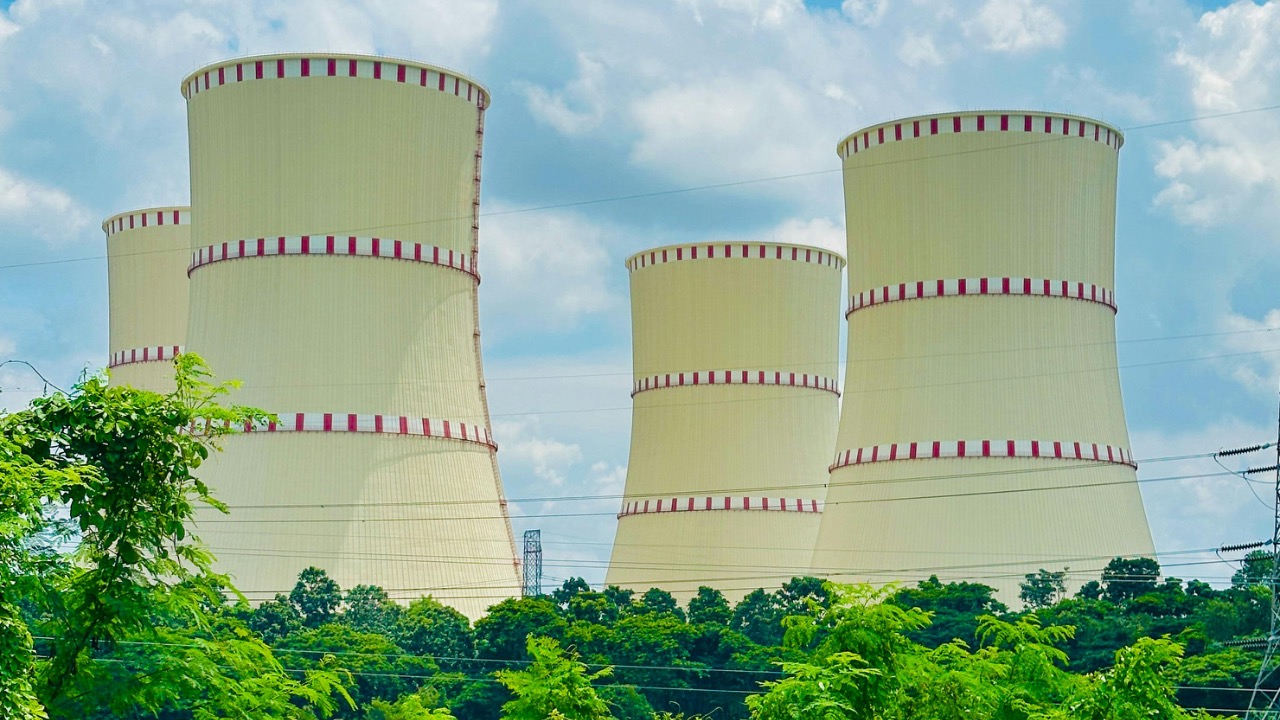
Nuclear sites and rising risk — what experts are watching now
Nuclear facilities sit at the intersection of geopolitics, climate stress and digital conflict, and the margin for error is shrinking. From battlefields in Ukraine to missile strikes near Iran’s reactors and rising seas along coastlines, experts warn that risks around nuclear sites are expanding faster than the systems designed to protect them.
Rather than a single dominant threat, specialists now describe a web of hazards that link conventional war, cyberattacks, climate extremes and a renewed arms race. Tracing where those pressures converge is the first step in judging how close the world may be to a serious nuclear incident.
Ukraine’s front line reactors
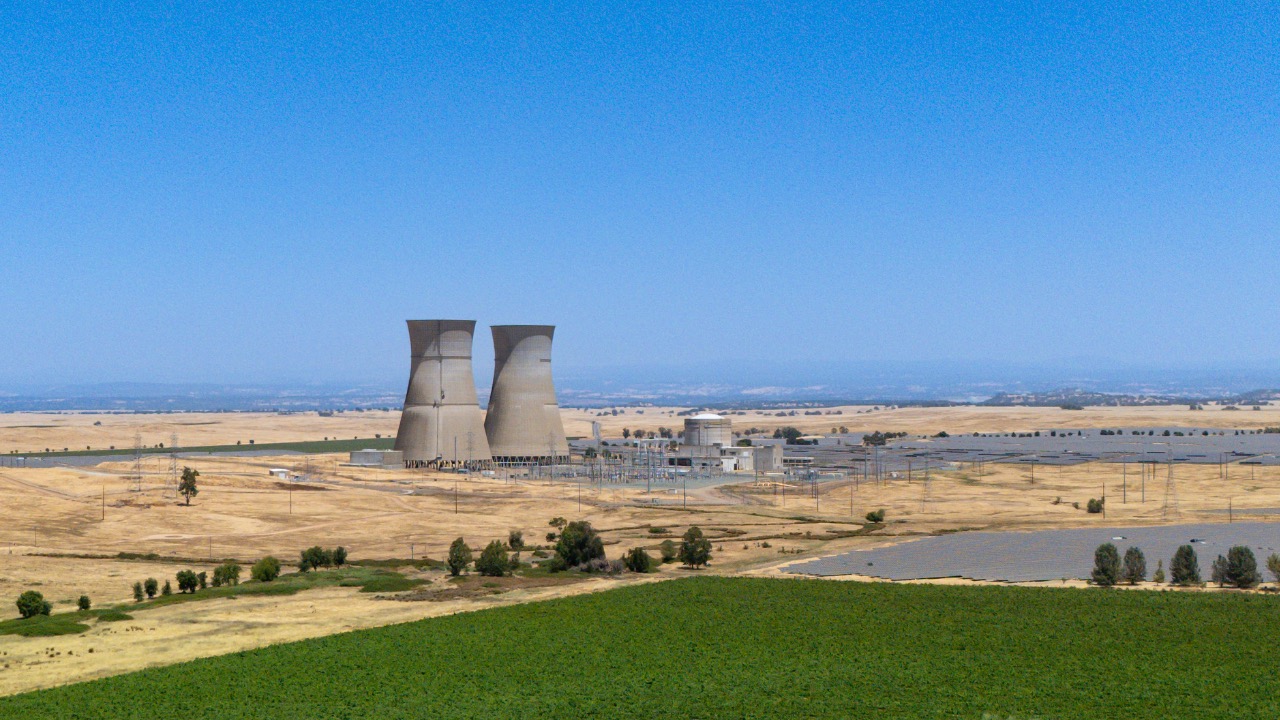
The head of the UN nuclear watchdog has warned that the war in Ukraine remains the world’s biggest threat to nuclear safety as fighting drags into a fifth year. The Zaporizhzhia nuclear power plant, Europe’s largest, has been shelled repeatedly and is now shut down but still packed with radioactive material that must be cooled.
Security Council briefings report that the site has lost external power eight times since the invasion began, with each outage forcing emergency diesel generators to kick in. Operators describe a constant race to keep fuel and maintenance ahead of the next strike, since any failure in cooling systems could lead to overheating.
A separate assessment notes that the plant is not producing electricity and now depends entirely on outside power lines to keep the nuclear material cool and avoid a meltdown. Ukrainian operator Energoatom stresses that although the plant is not currently operational, its reactors still require constant attention to prevent overheating and radiation levels rising, a point reinforced in its own statement that begins.
Researchers who have studied Zaporizhzhia describe how military interference, repeated disruptions of off site power supply and sustained psychological coercion of operating personnel have combined to push the plant toward conditions no civilian facility was designed to face. One detailed analysis of Military interference argues that the situation amounts to the weaponisation of civilian nuclear infrastructure.
Missiles near Iran’s reactors
While Ukraine dominates the headlines, nuclear safety experts are watching the Gulf as well. Iran’s first commercial reactor at Bushehr sits on the coast of the Persian Gulf, within range of regional missiles and across the water from densely populated states.
Recent reporting describes how repeated missile strikes on Iran’s Bushehr power plant risk a nuclear catastrophe, with potential radioactive fallout reaching Gulf countries. Even without a direct hit on the reactor vessel, damage to spent fuel pools, power lines or cooling systems could scatter contamination across air and water routes vital to global trade.
Social media clips have amplified public anxiety. One widely shared video from Firstpost on Instagram notes that while authorities and the IAEA confirm no radioactive leak so far, experts warn that even limited damage to nuclear sites can have long term consequences for air, water and human health. The same reel, highlighted again in a separate cut that repeats the phrase while authorities and the IAEA confirm no radioactive leak so far, reflects how quickly nuclear risk narratives now spread beyond technical circles.
War zones and the vulnerability of reactors
Specialists have long warned that civilian nuclear facilities are not hardened like military bunkers. A technical overview of Vulnerabilities of nuclear reactors and waste sites within war zones explains that they face risks from direct bombardment, loss of offsite power and the difficulty of maintaining safety culture under fire.
At Zaporizhzhia, Ukrainian officials say the plant mostly dates to the Soviet era and is no longer fully compatible with technology used today in Russi, a point made by Ukrainian energy official Kovtoniuk. That mismatch complicates any attempt by occupying forces to restart the reactors safely.
More broadly, analysts argue that the dual use nature of nuclear technology in weapons development as well as civilian energy production and other civilian technologies makes nuclear issues a persistent policy concern. A programmatic overview of nuclear security notes that any strike on a power plant can have strategic implications far beyond electricity supply.
Climate stress on aging plants
Even far from active conflict, nuclear operators are confronting a different kind of pressure. Climate scientists warn that nuclear facilities face escalating risks from climate change, including flooding, heatwaves, drought and wildfires, which threaten their safety and efficiency. One assessment of Nuclear facilities stresses that plants built for 20th century weather patterns are now exposed to hotter rivers, stronger storms and more frequent extremes.
Peer reviewed research on future nuclear energy infrastructure highlights that nuclear plants face increasing climate hazards, such as risks tied to water stress. The same Highlights section points to weather extremes, sea level rise and compound events that can hit multiple safety systems at once.
Cooling is a particular concern. Technical studies note that reactors require vast quantities of water to keep their cores and steam condensers cool, and changes in water levels or temperature can sharply reduce output or force shutdowns. A briefing on Reactors argues that droughts and heatwaves will increasingly constrain nuclear reliability just as governments look to the technology for low carbon power.
That tension is already visible in policy debates. Industry advocates describe a global resurgence of interest in nuclear energy, with new small modular reactors pitched as part of a climate friendly mix. A sector analysis of the nuclear energy renaissance links that momentum to both environmental and geopolitical considerations, yet climate adaptation costs for existing sites are only beginning to be tallied.
Cyberattacks and AI driven threats
Physical protection is only part of the story. Nuclear plants rely on complex digital control systems that are increasingly in the crosshairs of hackers. A global survey of corporate security leaders found that some 64% of organizations are accounting for geopolitically motivated cyberattacks such as disruption of critical infrastructure or espionage in their risk planning, according to a Jan digest on cyber outlook.
Specialist firms warn that threat actors are now leveraging AI agents that can map attack surfaces in minutes, not days, and perform autonomous exploitation, chaining multiple vulnerabilities together. That assessment of Threat actors suggests that sophisticated groups could move from reconnaissance to intrusion far faster than traditional defenses expect.
Another security briefing argues that AI becomes autonomous, with risks of agentic AI that can adapt mid attack and probe for weak points without constant human direction. The same report warns that Becomes Autonomous behavior could help state backed hackers or criminal groups bypass static firewalls around critical systems.
Government focused analysts already see the consequences. One review of technology trends notes that multiple state sponsored groups affiliated with China, Russia and other U.S. adversaries planted spyware and stole sensitive data from critical infrastructure. The Dec assessment does not single out nuclear plants, but they sit squarely within the category of high value targets.
Energy facilities are already under pressure. A separate analysis warns that cybercriminals are targeting sectors like energy, water utilities, public transportation and education, all of which rely heavily on underfunded or outdated systems. That Cybercriminals trend suggests that nuclear operators cannot assume obscurity or legacy hardware will shield them from intrusion.
Arms races, proliferation and political strain
Behind these site specific risks sits a wider strategic picture. Strategic analysts argue that given threatening geopolitical trends, including regional instability and conflicts, the risk that nuclear weapons will be used again is at its highest level since the 1962 Cuban Missile Crisis. That stark warning appears in a Given analysis of nuclear brinkmanship.
Data from arms control researchers show that China now has at least 600 nuclear warheads and that China’s nuclear arsenal is growing faster than any other country’s, by about 100 new warheads a year since 2023. Those figures, drawn from a Jun report on, feed concern that a new arms race is under way.

Asher was raised in the woods and on the water, and it shows. He’s logged more hours behind a rifle and under a heavy pack than most men twice his age.