Choosing the right caliber when stray dogs threaten livestock
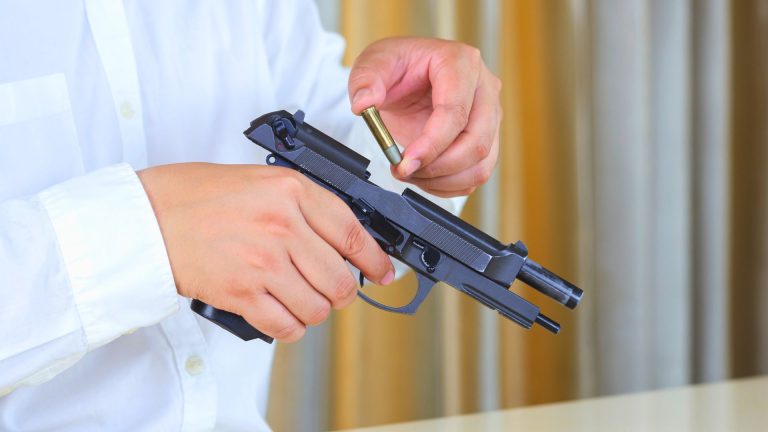
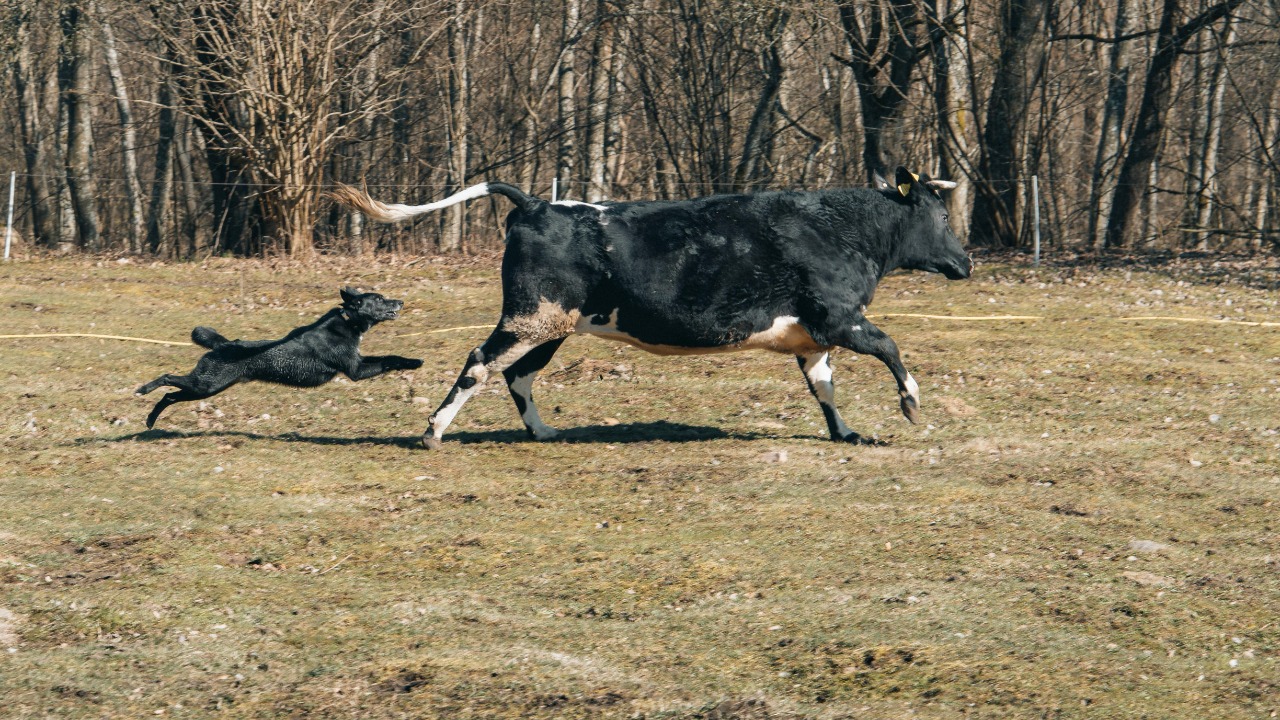
When stray or feral dogs start harassing livestock, the decision to pull a trigger is never just about stopping an attack. It is a split second calculation that blends animal welfare, public safety, and the hard realities of rural life. Choosing the right caliber in that moment can mean the difference between a clean stop and a dangerous ricochet or lingering suffering.
I approach the question as a practical one: what firearm and ammunition give a responsible livestock owner the best chance of ending an attack quickly, while minimizing risk to bystanders, working dogs, and neighboring property. That means thinking beyond raw power to accuracy, over‑penetration, and whether lethal force is even the right tool for the job.
Legal and ethical ground rules before you touch a rifle
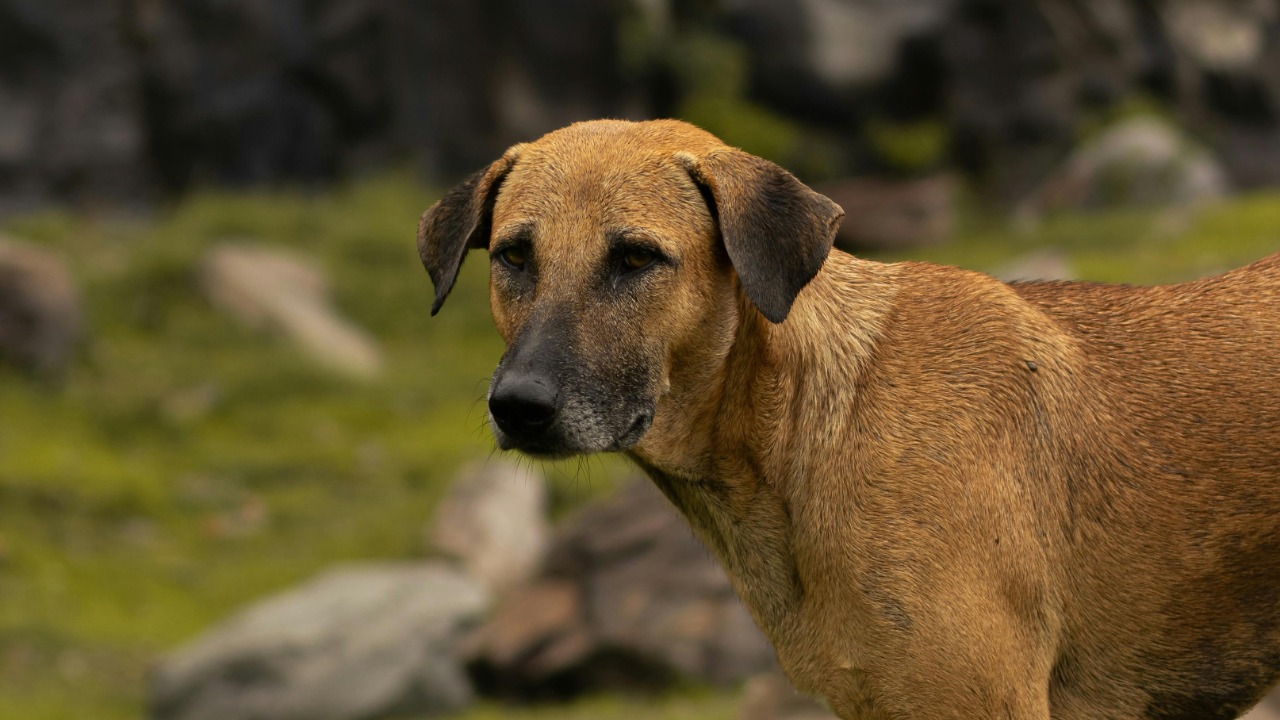
The first step is understanding when you are actually allowed to shoot a dog that is chasing stock. Many jurisdictions treat “livestock worrying” as a specific offense and give farmers limited rights to destroy a dog that is actively attacking animals, but those rights are tightly framed. Guidance on dog safety around farm animals stresses that owners should report incidents, secure evidence, and work with authorities, not treat every loose dog as a target. Shooting a pet that is merely on your land, or firing across boundaries, can quickly turn a livestock problem into a criminal case.
Ethically, the bar is even higher. Veterinary standards for humane killing by gunshot emphasize that a firearm should only be used when it can produce rapid unconsciousness and death with minimal distress. Anatomical diagrams for gunshot euthanasia show just how precise shot placement must be to meet that standard. If you cannot guarantee that level of accuracy under pressure, or if the dog can be safely driven off or contained, the most responsible choice may be to hold fire.
Why rifles dominate serious predator control
Once lethal force is justified, the platform you choose matters as much as the cartridge. For open pasture or paddock work, Rifles are typically the best choice. They offer far better accuracy at the 50 to 150 yard distances where a dog may be circling sheep or calves, and they come in a wide range of calibers suitable for both precision and humane killing. A well‑zeroed rifle also lets you thread a shot through gaps in a herd without spraying pellets across multiple animals.
That logic is familiar in other hunting contexts. A Rifle is described as essential for accurate and safe buffalo hunting because it delivers the range, power, and precision needed to kill large animals cleanly. Even in simulated environments, Rifles are the most common weapons a Hunter will use for long‑range work, precisely because they balance reach and control. The same characteristics make a centerfire rifle the default tool when a dog is weaving through a field and you have only seconds to take a safe shot.
Proven calibers: from .223 to small‑bore high velocity
Within the rifle category, the calibers that shine against coyotes and foxes also tend to work well on feral or stray dogs. The .223 Remington / 5.56 NATO is described as a Standard predator round with low recoil and great accuracy, which is exactly what you want when you may be shooting from an awkward position off a fence post or truck hood. Varmint‑focused AR‑style rifles in .223 Remington/5.56 NATO are widely available, affordable, and versatile, giving farmers a platform they can also use on foxes, raccoons, or groundhogs.
Ammo choice inside that caliber matters. Evaluations of 5.56mm NATO and .223 Remington loads highlight how rapidly expanding bullets can prevent over penetration, a key concern when there are barns, roads, or neighboring houses beyond the dog. Australian guidance on Firearms and ammunition for wild dogs goes further, recommending Small bore, high velocity, centre fire rifles such as the .22‑250, noting that cartridges like .22‑250 (often written as .22‑250) combine flat trajectories with enough energy to drop a dog cleanly at moderate ranges.
Shotguns, handguns and the close‑range dilemma
Not every dog encounter happens at 80 yards in an open paddock. In tight barnyards or around a house, a shotgun may be the only firearm you can bring to bear quickly. Predator hunters already lean on shotguns for brushy setups, and gear lists for Predator hunting emphasize the need for versatile guns that can handle fast‑moving targets. Official wild dog protocols note that 12‑gauge shotguns with heavy shot sizes of No. 2, SSG, BB or AAA may be effective, but only up to a distance of 20 metres from the target animal, a limit that appears in national SSG and AAA guidance.
That short effective range is consistent with home‑defense advice. When it comes to home defense, When it comes to home defense, the 12‑gauge shotgun rules your roost, but Its range is described as miniscule and The Shotgun is not quick to load. Disaster‑preparedness writers echo that, arguing that During a major disaster, you need guns for both defense and obtaining sustenance, and that the 12‑gauge with slugs and buckshot can fill both roles. Translated to a farmyard, that means a shotgun loaded with appropriate shot can be a powerful, last‑ditch tool at very close range, but it is a poor choice for a dog already out in the pasture, where pattern spread and pellet energy become unpredictable.
Bullet construction, over‑penetration and crowded landscapes
Caliber is only half the equation. The way a bullet behaves on impact can determine whether you stop a dog cleanly or send a projectile sailing into a neighbor’s paddock. Varmint specialists stress that a quality bullet with a thin jacket will dispatch the animal quickly when the bullet strikes, and that There are plenty of opportunities to be sure you are using the right ammo. That usually means frangible or rapidly expanding designs that dump energy inside the target instead of exiting at high speed.
Major manufacturers echo that advice. One guide titled How To Choosing a Rifle Hunting Bullet Small game and varmints call for frangible bullets with hollow points or tips that quickly expand, such as Ballistic Tip, Hornady V‑Max, or Speer TNT Green. Independent ballistics writers go further, arguing that Carrying this line of reasoning and physics leads to high‑velocity, frangible bullets as potentially the best option in built‑up areas, because they tend to break up on impact and reduce the risk of a long‑traveling ricochet, a point underscored in Carrying discussions of safe cartridges for crowded areas.
Alternatives to pulling the trigger at all
Even the best‑chosen caliber is a blunt tool compared with preventing dog incursions in the first place. Extension specialists advise that if you want to free‑range your flock and local predators are a problem, consider getting guardian dogs, noting that if well‑trained these dogs will stay with the flock at all times, a recommendation laid out in If you want to free‑range your flock guidance. Livestock Guardian Dogs are treated as central to Guardians, Protecting Your Flock Livestock Guardian Dogs, with Breeds like Great Pyrenees and Anatolian Shepherds highlighted as highly effective at deterring predators, bonding with sheep, and keeping watch, according to Guardians Protecting Your Flock Livestock Guardian Dogs materials.
Technology is starting to augment those animals. During the summer of 2019, researchers field tested During the prototype BarkLight collars on multiple livestock guardian dogs, using flashing lights and sound to amplify the dogs’ deterrent effect and looking forward to eventual market testing. Physical infrastructure matters too. Fence specialists note that Our emergency repair services close unintended gaps to prevent unwelcome intrusions from predators and minimize your livestock’s contact with threats, offering welding services on fences of all sizes, as described in Our agricultural fencing overview. Lighting can help as well: Research from the U.S. Department of Justice, using field studies and forensic crime pattern analysis, found that motion‑activated lights can deter intruders when deployed correctly, a principle that can be adapted to farmyards using Research from the Department of Justice.
Training, optics and the human factor
Even with the right caliber and bullet, a poorly trained shooter is a liability. Bowhunters are reminded that they are more likely able to set up a target at home, and that if they have the space they should put up a target and start practicing, then Vary up distances from 10 to 20 yards to make accurate, consistent shots, advice that applies equally to rifle owners and appears in Bowhunters guidance. Optics matter too. At shorter ranges like 20 yards or less, a telescopic scope may be a hindrance, and Backup iron sights or mini red dots like a Mini Sh can be invaluable if you need to do some impromptu close‑range work, according to Backup Mini Sh recommendations.
Caliber flexibility can also help. A 357 M Magnum rifle is praised for delivering adequate power for ethical kills within its effective range, and With the right load and shot placement it can humanely take medium‑sized game. Modern .300‑class cartridges add more options: tests of Hornady Black 110-Grain V-Max 300 Blackout Ammo found that this load, part of Hornady Black 110-Grain V-Max 300 Blackout Ammo This line, was the fastest tested at 2,400 fps and shot exceptionally well, a performance profile detailed in Hornady Black Grain Max Blackout Ammo This coverage. Similarly, 300 HAM’R | 110GR, HORNADY V-MAX, 20/BOX is marketed as a hard hitting explosive round that also has low penetration for urban tactical use, positioning 300 HAM, HORNADY, MAX, BOX loads as a niche option where stray bullets are a major concern.

Leo’s been tracking game and tuning gear since he could stand upright. He’s sharp, driven, and knows how to keep things running when conditions turn.