Colorado hunting loophole allows people who kill animals illegally to keep them simply by paying a fine
You head out for a day in the Colorado backcountry, rifle in hand, drawn to the quiet stretches of county open space that feel like untouched public land. These parcels, bought and maintained with local tax dollars, often ban hunting to protect wildlife and give hikers and families some breathing room. Yet a gap in state law means that if you slip across the boundary and take an animal anyway, the consequences can stop at a local ticket. Colorado Parks and Wildlife finds its hands tied, and the animal stays with you after the fine clears. Officials in mountain counties have watched this play out enough times to call it a problem worth fixing at the state level.
County open spaces operate under their own rules
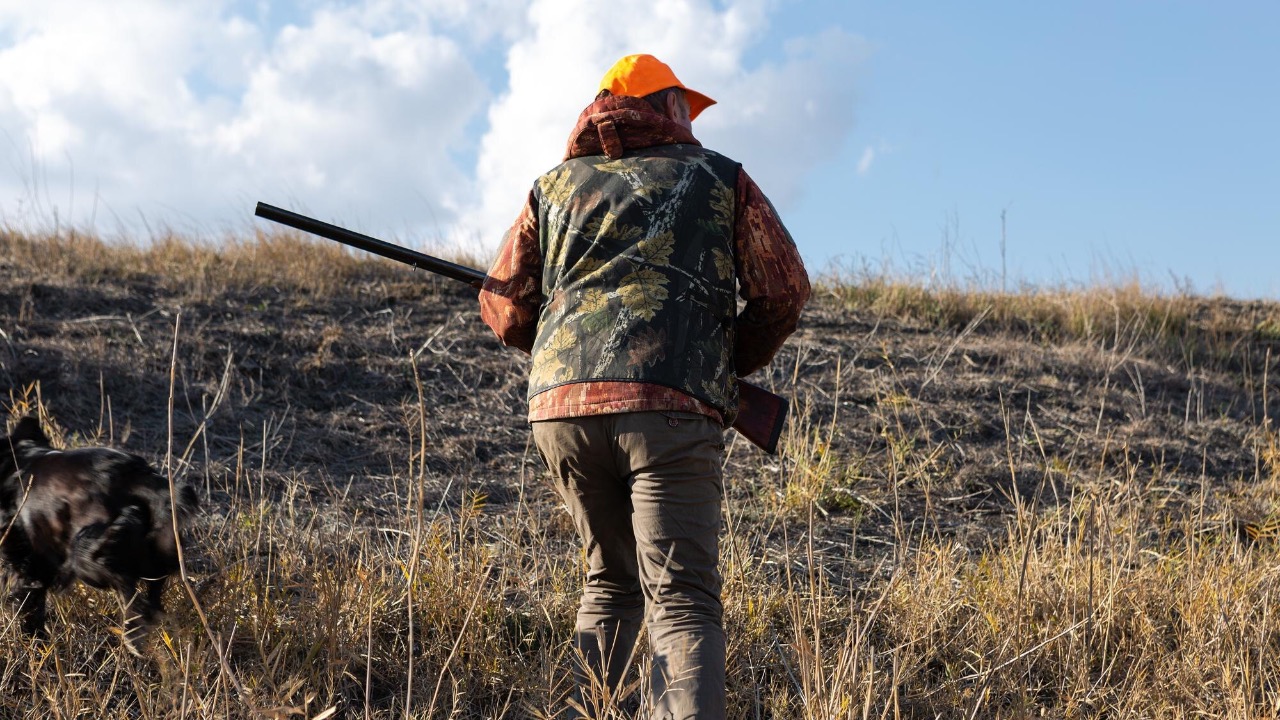
County open spaces in places like Eagle and Pitkin counties sit apart from the big federal forests or state wildlife areas most hunters know. Local governments set the boundaries and post clear signs closing them to hunting so wildlife can thrive without pressure and visitors can enjoy peace. When someone ignores those rules and harvests an animal, the county steps in first with its own code enforcement. That response stays local, separate from the broader wildlife statutes that govern most public land. The result leaves state officers without a direct path to treat the kill as a full violation under Title 33 of the Revised Statutes.
Park officials and county staff have mapped thousands of these acres over the past two decades as conservation efforts expanded. Those lands grew popular with residents who wanted protected pockets near home. Yet the legal framework never fully caught up. A hunter who crosses the line faces county staff rather than game wardens equipped with the usual toolkit of license checks and seizure authority. The separation creates distance between the act and the stricter penalties that apply almost everywhere else in the state.
The 2022 change that narrowed enforcement options
State lawmakers adjusted rules in 2022 to reclassify certain violations on county property. What once counted as a misdemeanor, complete with court involvement and potential license impacts, became a civil infraction handled through local channels. Fines dropped, district attorneys stepped back, and the process lost its teeth. County officers still write tickets, but the paperwork no longer triggers the automatic review that brings Colorado Parks and Wildlife fully into the picture for big-game species.
Hunters who once risked points on their license and possible revocation now handle the matter with a payment to the county. The shift aimed to streamline minor issues, yet it left a blind spot for deliberate hunting on closed land. Officials in Eagle County noticed the difference right away during busy seasons. Patrols turned up more blatant disregard, and the old tools for deterrence no longer applied the same way. The change reshaped how enforcement works on these growing networks of local preserves without updating the underlying wildlife code.
Paying the ticket and walking away with the animal
You receive a citation from county open-space staff after they confirm the kill happened on restricted ground. The amount usually lands around five hundred dollars, depending on the specific ordinance. Once paid, the matter ends for local purposes. State wildlife officers have no clear statutory hook to seize the animal or add license suspension points because the land does not neatly fit the definition of public property under the rules that trigger full illegal-take penalties.
That outcome stands in contrast to what happens on federal or state land, where the same act would likely mean forfeiture of the animal, heavier fines, and points toward losing hunting privileges. Here the system treats the violation more like a parking ticket than a wildlife offense. The hunter keeps the meat or trophy, and Colorado Parks and Wildlife stays on the sidelines unless other factors, such as license issues or out-of-season timing, come into play independently.
Eagle County sees the pattern repeat each season
Eagle County records show roughly eight cases a year of hunters taking animals from its closed open-space parcels. Staff patrol the 2,750 acres, including prime stretches in the Brush Creek Valley, and run into the same scenario repeatedly. Education campaigns and on-the-ground presence help, yet the limited consequences keep the behavior alive. County leaders describe it as a calculated risk some hunters accept because the downside feels manageable.
Senior open-space specialists and attorneys have presented the numbers to their board, pointing out how the pattern undermines the purpose of the preserves. Last season stood out as especially busy, with visible signs of disregard for posted boundaries. The sheriff’s office has used other citation tools in the meantime, but everyone agrees the root issue sits at the state level. Those repeated incidents prompted Eagle County to reach beyond its borders for help.
Counties join forces to close the gap
Eagle County drafted a policy proposal and brought it to Colorado Counties Incorporated, the statewide group that coordinates local government priorities. The idea gathered broad support from other members who recognized similar challenges on their own open-space holdings. The proposal asks the legislature to treat county-owned land more like public land for wildlife enforcement purposes, so illegal takes trigger the same forfeiture rules and license consequences that apply elsewhere.
Pitkin County commissioners heard the update in early 2026 and voiced immediate backing. They see the risk spreading to their own protected areas, including shared properties with neighboring counties. No bill has been filed yet for the current session, but the groundwork is laid for future action. The counties want consistent protection across the patchwork of lands that Coloradans value for conservation and recreation alike.
State wildlife rules miss the local conservation layer
Title 33 gives Colorado Parks and Wildlife strong authority over big game and illegal possession on most public and private land. Yet it stops short of recognizing the detailed local hunting restrictions that counties have built up over twenty years. Successful open-space programs created thousands of new acres that fall outside the traditional definitions used for enforcement. Without an explicit link in the statutes, wardens lack the mechanism to step in and treat the kill as a full violation.
The mismatch leaves wildlife managers frustrated. They invest time and resources in population monitoring and habitat work only to see animals removed without the usual safeguards. The loophole does not affect every hunt, but it creates an uneven playing field that favors those willing to test the boundaries of closed areas. Counties argue that aligning the rules would strengthen overall conservation without adding new burdens to responsible hunters.
What the fix could look like
Legislative language under discussion would extend illegal-take protections to county open spaces explicitly. That step would allow seizure of the animal, higher fines scaled to the species, and the license-point system that deters repeat behavior. Counties want the change to mirror how violations are handled on state or federal ground, so enforcement feels uniform no matter who owns the parcel. The goal remains simple: keep the preserves functioning as intended while respecting the traditions of legal hunting elsewhere.
Officials emphasize they are not looking to ban hunting or add layers of red tape. They want the same accountability that already exists across most of Colorado’s landscape. Support from multiple counties gives the effort momentum, and conversations with Colorado Parks and Wildlife continue. If the legislature acts, the pay-to-play dynamic that has quietly persisted could end, restoring balance between local conservation goals and statewide wildlife law.

Asher was raised in the woods and on the water, and it shows. He’s logged more hours behind a rifle and under a heavy pack than most men twice his age.