Non-Standard Calibers in Wildlife Defense: Rural Cases Challenge Conventional Concealed-Carry Recommendations
Step outside the city and the conversation around defensive handguns shifts fast. What works for a parking lot or a late-night walk doesn’t always hold up when you’re dealing with feral hogs, black bears, or the occasional mountain lion. Out there, the stakes are different, and so are the tools people carry.
You’ve probably heard the standard advice—compact pistol, common caliber, manageable recoil. That still has its place. But when wildlife enters the picture, you start seeing folks carry things that don’t fit that mold. Heavier bullets, harder-hitting rounds, and guns that aren’t built with concealment as the first priority. Here’s how that gap shows up in the real world.
Standard Concealed-Carry Advice Was Built for Human Threats
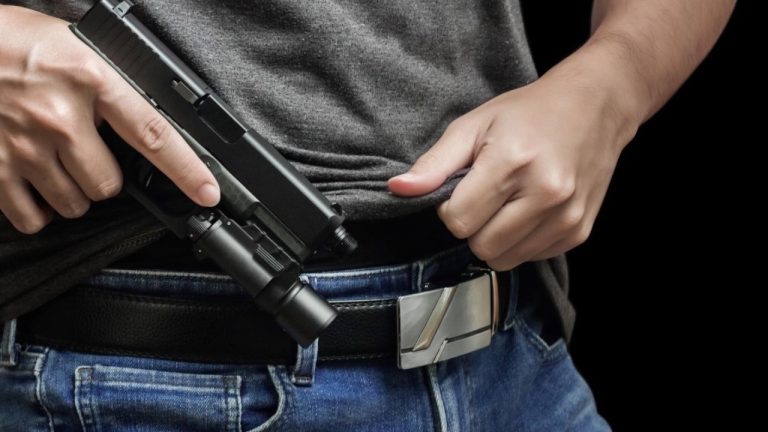
Most concealed-carry guidance is shaped around human encounters. Close distance, short duration, and a focus on stopping a threat quickly without over-penetration. That’s where common calibers like 9mm and .380 ACP built their reputation.
You take that same setup into rural ground, and the equation changes. Animals don’t react the same way people do. They’re tougher, often larger, and don’t always stop when hit unless you reach vital structures. That’s where the limits of standard carry advice start to show. It wasn’t designed with thick hide, bone, and unpredictable animal behavior in mind.
Non-Standard Calibers Show Up Where Wildlife Is a Real Risk
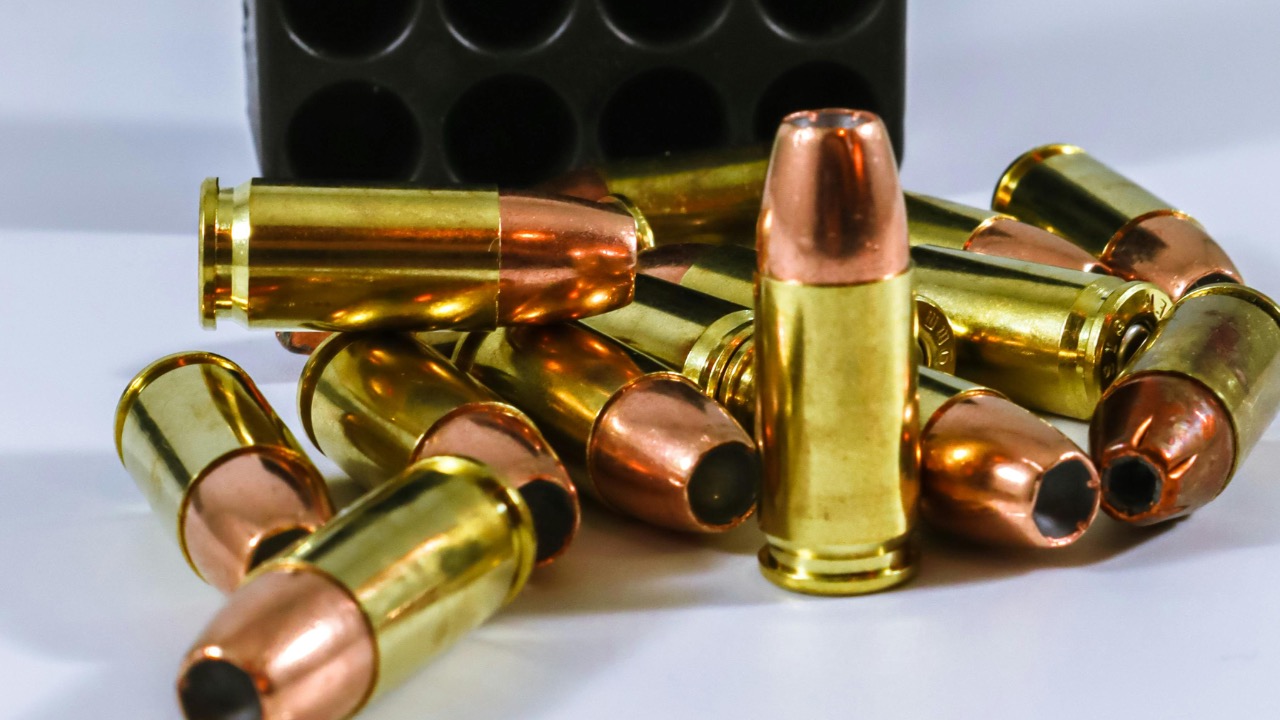
Spend time in hog country or bear country, and you’ll notice people carrying calibers that don’t come up much in urban discussions. Revolver rounds like .44 Magnum, .41 Magnum, and even hot-loaded 10mm Auto start to appear more often.
These aren’t random choices. They’re tied to penetration and energy. When you need to reach deep through muscle and bone, lighter rounds can fall short. You’re trading comfort and concealability for performance that holds up under tougher conditions. It’s not theoretical—it’s based on what people have seen work when things go sideways.
Real Encounters Drive Caliber Choices More Than Theory
Talk to folks who’ve had close calls with hogs or bears, and you’ll hear the same theme: they carry what they trust after seeing what doesn’t work. A near miss or a poor hit with a lighter round tends to change opinions fast.
That’s where non-standard calibers earn their place. They’re often chosen after firsthand experience, not internet debate. When someone has watched an animal soak up rounds and keep moving, they start thinking differently about what they want on their hip. It’s not about chasing power—it’s about reducing uncertainty when the moment comes.
Recoil and Shootability Still Matter in the Field
There’s a tradeoff that doesn’t go away. As calibers get larger, recoil increases, and that affects how well you can shoot under pressure. A powerful round doesn’t help if you can’t place it where it needs to go.
That’s why you’ll see a range of choices even among experienced hunters and outdoorsmen. Some stick with 10mm as a balance. Others go heavier but train enough to manage it. The key is control. In a real encounter, you won’t have time to think through your grip or stance. You need something you can run without hesitation.
Semi-Autos vs. Revolvers Is Still an Open Debate
You’ll hear strong opinions on both sides. Revolvers get credit for reliability and the ability to handle heavy loads. Semi-autos bring higher capacity and faster follow-up shots.
In wildlife defense, both have their place. Revolvers chambered in magnum calibers hit hard and don’t depend on cycling under less-than-ideal conditions. On the other hand, a 10mm semi-auto gives you more rounds on tap, which matters if the first shots don’t stop the threat. What you choose often comes down to what you’ve trained with and what you’re confident carrying day in and day out.
Concealment Takes a Backseat in Rural Carry
Out in the country, you’re not always worried about printing under a T-shirt. Open carry, chest rigs, and larger holsters are common, especially when you’re covering ground or working property.
That freedom changes what people are willing to carry. Heavier firearms and longer barrels become practical options. You’re not forcing a powerful caliber into a tiny frame designed for concealment. Instead, you’re choosing a setup that fits the environment. It’s a different mindset, and it leads to different gear.
Shot Placement Still Matters More Than Caliber
Even with all the talk about bigger rounds, placement doesn’t lose importance. A poorly placed shot with a powerful caliber won’t outperform a well-placed shot with a moderate one.
That’s especially true with animals that can cover ground quickly. You may only get a second or two to react. Hitting vital areas—brain or central nervous system—is what stops a charge. Caliber helps, but it doesn’t replace fundamentals. The people who spend time practicing tend to understand that better than anyone.
There’s No One-Size-Fits-All Answer
If you’re looking for a universal recommendation, you won’t find it here. Terrain, species, experience level, and comfort all play a role in what makes sense for you.
What you can take away is this: the standard concealed-carry template doesn’t always translate cleanly into rural settings. When wildlife becomes part of the equation, you start seeing different tools for a reason. The key is understanding why those choices are made—and deciding what fits your situation before you need it.

Asher was raised in the woods and on the water, and it shows. He’s logged more hours behind a rifle and under a heavy pack than most men twice his age.