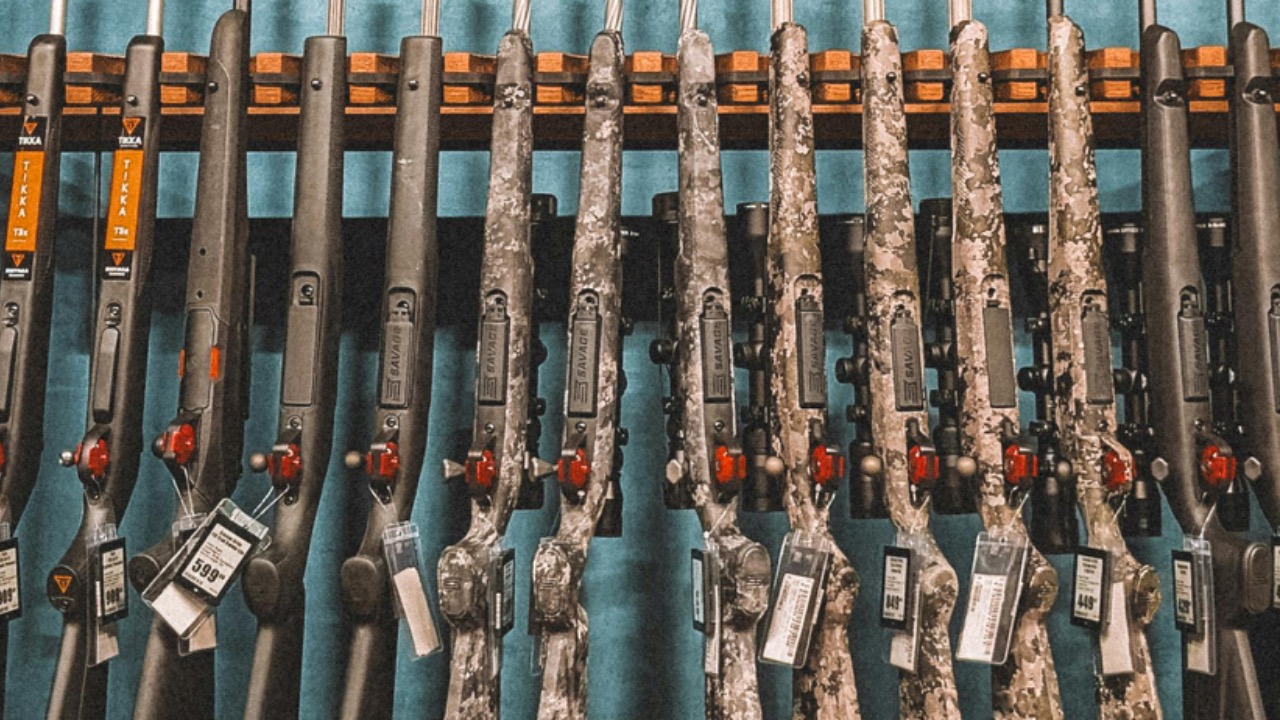
How political shifts can ripple through American gun ownership trends
Shifts in political power do not just change legislation and rhetoric in Washington; they also reshape who in America decides to keep a gun at home, carry one in public, or walk into a gun store for the first time. Recent elections and court fights have coincided with a measurable reordering of firearm ownership that cuts across party, race, gender, and ideology. The result is a gun culture that looks less like a single partisan bloc and more like a reflection of the country’s broader political realignment.
New research and polling indicate that both conservative and liberal Americans are adjusting their behavior in response to perceived threats, expectations about future gun laws, and the tone set by national leaders. Those ripples extend from the timing of background checks to who signs up for safety training, revealing how deeply firearms have become intertwined with identity and power in the United States.
From partisan cycles to a permanent political signal

For decades, firearm researchers have observed that gun buying often reacts to who occupies the White House and which party controls Congress. One long view study, described in an Apr Abstract Objective logistic models across the years from 1980 to 2018, linked shifts in gun ownership to the party of the president, suggesting that political control operates as a kind of signal about future regulation and group status. When gun rights supporters expect restrictions, ownership tends to climb, and when those fears recede, demand can soften. Over time, that pattern has turned firearms into a barometer of partisan anxiety as much as a consumer product.
More recent work on firearm intentions reinforces the idea that politics is now baked into personal decisions about guns rather than serving as a background factor. A research team writing in a Jan Firearm study emphasized that firearm purchasing patterns change over time in response to specific events, including elections and high profile shootings, and that these shifts are not random spikes. Instead, they reflect evolving beliefs about safety, rights, and political power, which means each new administration or major court ruling can trigger a fresh wave of buying or a pause in demand.
The 2024 election and a new surge of first time interest
The 2024 presidential race offers one of the clearest recent examples of political outcomes reshaping firearm behavior. A Rutgers Health team reported that the election results were associated with an increased desire among specific groups to obtain firearms, to carry them, and to store them more accessibly. In coverage of how the vote changed behavior, researchers highlighted that Rutgers Health Black adults and people with liberal political beliefs showed especially strong shifts in interest and intentions, suggesting that the election did not simply energize traditional conservative gun buyers.
The same underlying study, available through Jan Abstract Background, found that identifying as Black was associated with higher odds of intending to purchase a firearm after the election, with a reported confidence interval of 1.29 to 3.44. That finding challenges older assumptions that gun ownership is primarily a white, conservative phenomenon and suggests that political events are now activating groups who historically were less represented among gun owners but who may feel newly vulnerable or newly motivated to assert self protection.
Liberals, LGBTQ buyers, and a shifting cultural script
One of the most striking shifts since the last election cycle has been among liberals and LGBTQ Americans, who once tended to sit outside of mainstream gun culture. According to an interview series on firearm training, Untitled, more left leaning buyers have turned to guns in response to fears about political violence, hate crimes, and the possibility of state backed crackdowns. A related segment that explicitly noted that Jan Since President second inauguration, more liberals, people of color, and LGBTQ individuals have reported buying guns and signing up for safety classes, described that shift as a transformation in the face of American gun ownership rather than a marginal trend.
Psychological research suggests that political rhetoric and leadership style are amplifying this change. In one analysis of attitudes toward carrying firearms outside the home, participants who identified with liberal political beliefs reported a stronger urge to carry for constant protection when they perceived heightened threats tied to national politics. Coverage of that work, which framed the findings in terms of Donald Trump’s influence on gun culture, highlighted that Feb Similarlyliberal respondents were not simply reacting to crime statistics but to a broader sense of political and social risk. That dynamic helps explain why progressive gun clubs and queer focused firearm training groups have grown more visible since the last inauguration.
Republican women and the steadying of traditional ownership
As new groups move toward gun ownership, long established constituencies inside the Republican Party are also changing in ways that track with political currents. National polling on firearm ownership indicates that gun ownership among U.S. adults overall has held relatively steady, but that rates have climbed sharply among Republican women. A recent survey summarized that Nov Gun Ownership, even as some other demographic groups showed flatter trends, suggesting that conservative women are increasingly aligning personal safety decisions with party identity and debates over self defense.
Additional polling on who owns guns in the United States shows that partisanship, gender, and geography remain strong predictors of firearm possession. In one overview of recent survey data, researchers explained that Nov Here Gallup to a poll, being Republican, male, and living in rural areas continues to be a big indicator of gun ownership, even as other groups catch up. That combination means that political shifts do not erase the traditional base of gun owners, but they do layer new cohorts on top, complicating both policy debates and campaign strategies built on old assumptions.
Elections, fear of regulation, and the timing of sales
Election seasons have long been associated with spikes in gun sales, especially when voters expect tighter regulations if one party wins. Analysts who track background check data have documented repeated pre election surges, often interpreted as a rush to buy before potential new limits take effect. Coverage of the 2024 cycle, however, noted that typical patterns did not fully hold, with one report observing that Nov Gun Sales year, in part because many buyers had already stocked up during earlier waves of concern about crime and political unrest. That moderation hints at a maturing market where political fear still matters but interacts with saturation and economic pressures.
After the 2024 results, researchers did see renewed interest among specific groups, especially those who felt their rights or safety were newly at risk. A Rutgers Health analysis, described in a summary that noted Jan Rutgers Health tracked how the 2024 presidential election changed behaviors around firearms, linked the outcome to shifts in storage practices and a greater willingness to consider carrying guns in public. Another report on the same project quoted researcher Anestis explaining that Feb Anestis When spikes in gun ownership can happen for a number of different reasons, including when it seems like gun laws may be restricted, and that people often see guns as a solution to personal fear even when the same solution might not make sense to someone else.

Leo’s been tracking game and tuning gear since he could stand upright. He’s sharp, driven, and knows how to keep things running when conditions turn.