This U.S. Fighter Jet Had Never Lost an Air Battle—Until Now
For half a century, the F-15 family represented something close to perfection in air-to-air combat, with pilots and planners repeating a simple boast: it had never been shot down in aerial battle. That aura of invincibility helped shape U.S. strategy and public perception alike. The apparent friendly fire destruction of three F-15E Strike Eagles over Kuwait has not only shattered that pristine record in the public mind, it has also exposed how fragile even the most sophisticated systems can be once the shooting starts.
The incident did not involve a dramatic dogfight or a superior enemy fighter. Instead, it appears to have stemmed from a breakdown inside a coalition air defense network that was supposed to protect American jets, not target them. That clash between legendary combat record and messy reality is now driving a reassessment of how the United States and its partners fight in crowded skies.
The F-15’s unmatched combat legacy
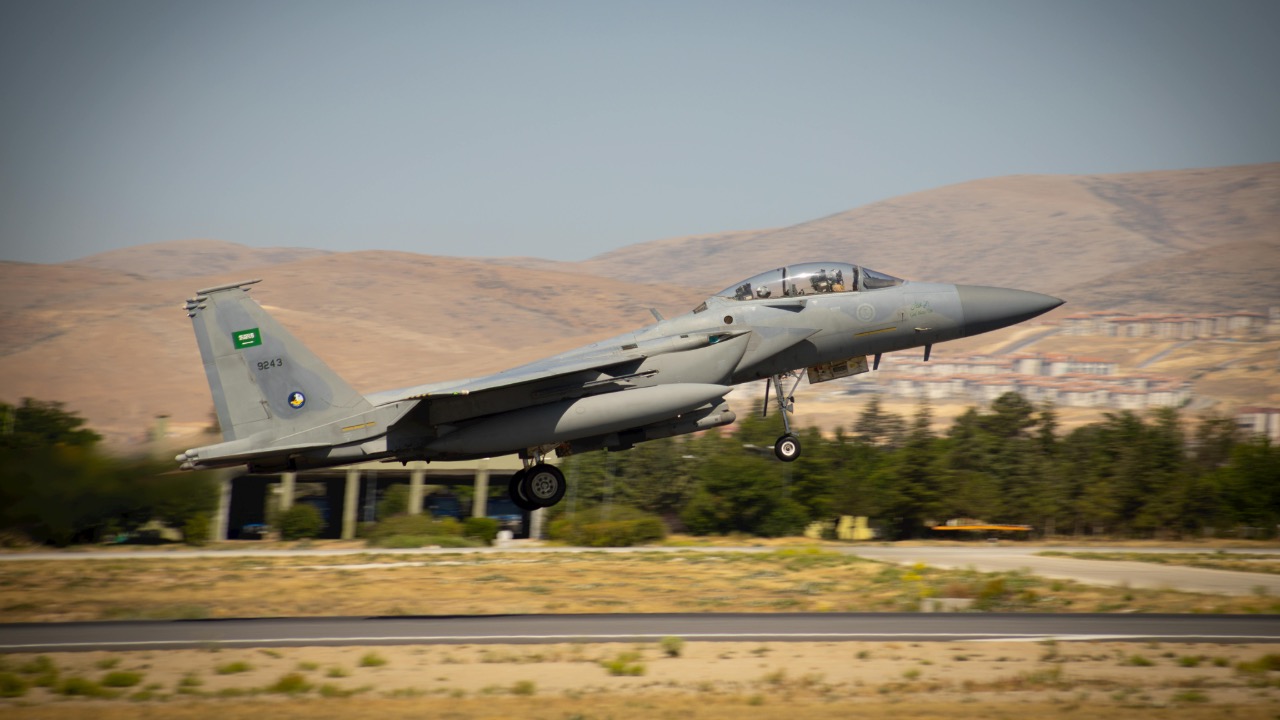
The original F-15 Eagle grew out of late 1960s fears that U.S. airpower was losing its edge. First developed in that period and entering service in the early 1970s, it was designed from the outset as a pure air superiority machine, built to gain and keep control of the sky. Over more than 50 years of action, the Eagle family became a benchmark for what a fighter could do.
Operational histories credit the F-15 with an air-to-air kill ratio that few aircraft can match. A detailed breakdown of its combat record describes 104 victories in aerial combat since its introduction in 1976, with no confirmed losses to enemy fighters. That tally includes engagements by U.S. pilots and by allied air forces that purchased the jet, and it spans conflicts from the late Cold War to more recent regional wars.
The aircraft’s reputation as an undefeated dogfighter never meant it was immune to accidents or ground fire. Training mishaps, mechanical failures, and isolated shootdowns by surface-based weapons have taken F-15s out of the sky before. What set the Eagle apart was the absence of a clear case in which an enemy aircraft bested it in the air, even as it flew thousands of combat sorties.
Over time, the airframe evolved. Variants such as the F-15E Strike Eagle added a second crew member and a heavier focus on precision strike, while still retaining formidable air-to-air capability. Video explainers on the platform’s history describe how pilots and engineers framed the Eagle as a product of the Cold War, then adapted it for modern conflicts that demanded deep strike missions and complex coalition operations.
How the Kuwait friendly fire incident unfolded
That long record collided with harsh reality earlier this year. According to official statements from U.S. Central Command, three U.S. Air Force F-15E Strike Eagles were conducting combat operations over Kuwait when they were mistakenly targeted by Kuwaiti defenses. The jets were part of a wider campaign involving U.S. and regional forces carrying out strikes and counterstrikes across the region.
Initial reports described the losses as an apparent friendly fire incident. A detailed account of the event explained that 3 F-15s shot were operating in a crowded and tense airspace where U.S. and allied aircraft had been striking targets linked to Iran and its partners, including infrastructure across the region. All crew members from the American jets were reported safely recovered, a rare silver lining in an otherwise damaging episode.
Other accounts have pointed to a Kuwaiti F/A-18 as the platform that fired the missiles, describing how a Kuwaiti fighter jet apparently misidentified the American aircraft. One detailed live update feed referred to a Kuwaiti F/A-18 that mistakenly shot down American F-15s on a Sunday, citing initial U.S. assessments. A separate report on the same incident highlighted that the aircraft had been targeted by Kuwaiti air defenses, a phrase that can encompass both ground-based systems and fighter aircraft.
Despite those differing details, the core narrative is stark. Three U.S. Air Force F-15E Strike Eagles, identified as Air Force Warplanes over Kuwait, were lost to friendly fire during active combat operations. The crews survived, but the event delivered a psychological blow that went beyond the physical loss of aircraft.
Friendly fire in a crowded battlespace
The Kuwait incident did not happen in a vacuum. Modern air campaigns often layer national air defense networks, coalition fighters, and unmanned systems into a single, highly dynamic environment. That complexity raises the risk that a split-second misidentification can turn allies into inadvertent adversaries.
Investigators are already focusing on the technical and procedural safeguards that should have prevented the misfire. One detailed assessment noted that Investigators will be examining the aircraft friend-or-foe transponders that are supposed to broadcast identification data to friendly forces. If those systems malfunctioned, were misconfigured, or were not properly integrated into the coalition network, they could have contributed directly to the tragedy.
Friendly fire is not new to modern air warfare. A detailed feature on the F-15’s history pointed out that, Though rare, friendly fire does happen. The same account recalled how a U.S. Navy Super Hornet was accidentally shot down by an allied system in late 2024 while U.S. forces were conducting drone strikes at the time. In the Kuwait case, the pattern repeated, but with even higher symbolic stakes because of the F-15’s record.
Coalition operations add additional layers of complexity. Different forces bring their own rules of engagement, radar systems, and identification protocols. When those are not perfectly aligned, an operator staring at a radar screen can see an ambiguous track instead of a clearly marked friendly jet. The fact that the F-15s were flying over Kuwait, a partner that hosts U.S. forces and relies heavily on American equipment, underscores how even close allies can struggle to maintain perfect coordination in fast-moving combat.
What “never lost an air battle” really means
The Kuwait shootdown has prompted a wave of commentary about whether the F-15’s aura of invincibility has finally cracked. The answer depends on how strictly that phrase is defined. The core claim about the Eagle is that it has never been shot down in an air-to-air battle with an enemy fighter. The jets destroyed over Kuwait were not attacked by hostile aircraft in a classic dogfight. They were misidentified and hit by friendly forces.
From a technical standpoint, the record of no confirmed losses to enemy fighters still stands. The F-15’s air-to-air kill ratio, including the 104 victories cited in detailed breakdowns, remains unmatched. Yet for many observers, the distinction between enemy fire and allied fire matters less than the broader reality that the jet is no longer untouched by modern integrated air defense systems, even those operated by partners.
Public perception often blurs those lines. To a reader who grew up hearing that the Eagle had never been shot down, the phrase “three F-15E Strike Eagles lost over Kuwait” sounds like a shattering of myth. Analysts have already drawn attention to the psychological impact on pilots who grew up idolizing the aircraft, and on allies who saw it as a symbol of American technological dominance.
Inside the U.S. military, the event is also likely to prompt a more cautious use of slogans built around perfection. Combat records are powerful tools for morale and deterrence, but they can also create unrealistic expectations. The Kuwait incident serves as a reminder that no platform, however advanced, is immune to human error and system failure.
The Strike Eagle’s role and vulnerabilities
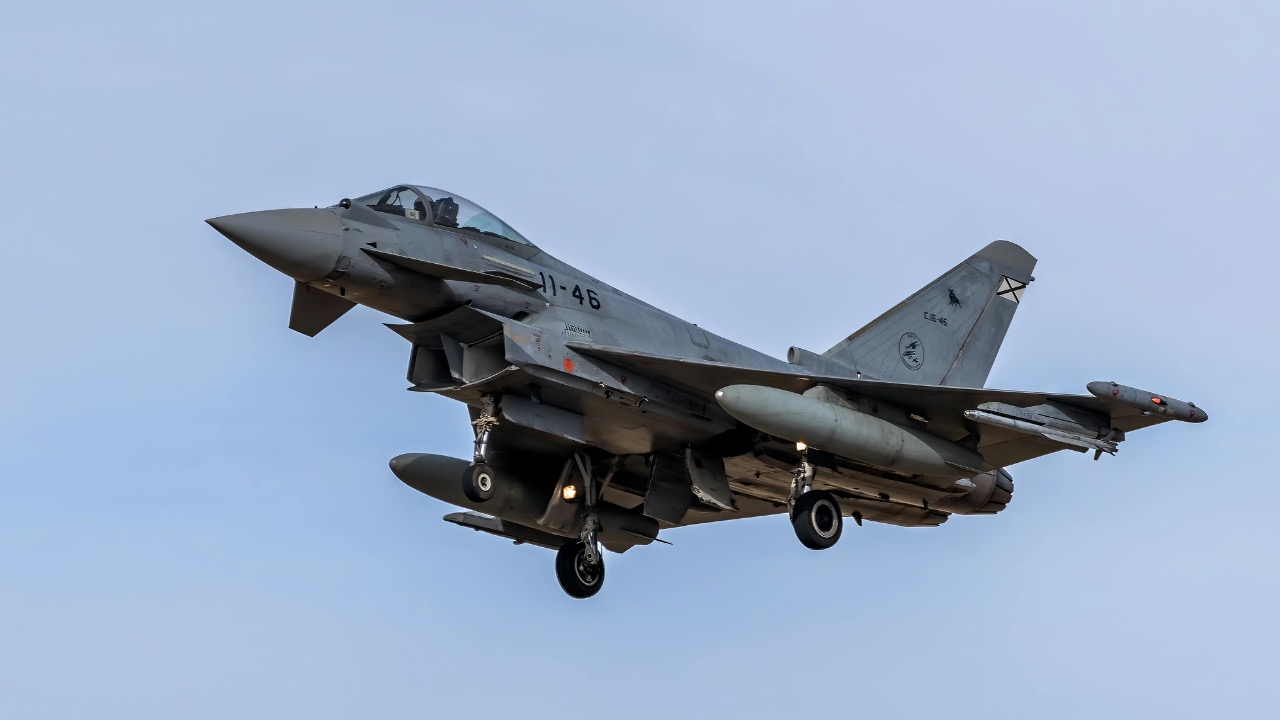
The F-15E Strike Eagle variant that went down over Kuwait is a multirole workhorse. Unlike the air superiority focused F-15C, the Strike Eagle is designed to carry heavy precision-guided munitions deep into contested territory while still retaining strong air-to-air capability. A detailed technical overview framed the Strike Eagle as a key asset for long-range interdiction and close air support, with advanced sensors, two crew members, and the ability to operate at night and in bad weather.
Those strengths come with trade-offs. The F-15E typically flies predictable routes to and from target areas, often in coordination with other aircraft and ground controllers. Its mission profile can expose it to layered air defenses for longer periods than a pure air superiority fighter that stays farther from enemy ground systems. In Kuwait, the threat did not come from hostile batteries or fighters, but the same exposure to complex air defense networks created the conditions for friendly fire.
Technical investigators will examine whether the Strike Eagles’ own identification systems were functioning properly, how they were integrated with Kuwaiti radars, and whether communication protocols between American and Kuwaiti controllers were followed. One early analysis of the shootdown highlighted that F-15, a warplane with a long record of defeating enemy aircraft in aerial combat, was instead brought down by a partner’s mistake. That contrast will shape how planners think about survivability in coalition operations.
Lessons for coalition warfare and air defense
The Kuwait incident is already being treated as a case study in the risks of integrated air campaigns. U.S. Central Command and its partners will be under pressure to show that they can fix the gaps that allowed three friendly jets to be targeted. Some of the likely areas of focus are technical, such as ensuring that Identification Friend or Foe (IFF) systems are properly coded, tested, and interoperable across all coalition aircraft and ground stations.
Other lessons are procedural. Coalition partners may need stricter rules that limit when national forces can fire on unidentified aircraft in shared airspace, especially when U.S. jets are known to be operating nearby. Better real-time data sharing, common operating pictures, and standardized training for air defense operators could all reduce the risk that a radar blip turns into a tragic mistake.
The incident also highlights the importance of clear communication chains. Reports on the event have described how United States Central quickly confirmed that three American jets had been mistakenly shot down by Kuwaiti defenses while the crews were safely recovered. That level of transparency can help maintain trust within the coalition and with the public, even as technical details are still under review.
At the same time, the shootdown will likely influence how the United States thinks about deploying high-value assets in partner-controlled airspace. Planners may demand tighter integration of command and control systems before sending F-15Es or similar platforms into areas where allied operators hold the trigger authority. In some cases, U.S. commanders might insist on retaining more direct control over engagement decisions when American jets are at risk.
Reputation, reality, and the future of the Eagle
For the F-15 community, the Kuwait incident marks a painful chapter in an otherwise extraordinary story. Pilots and maintainers who have long taken pride in the aircraft’s undefeated air-to-air record now have to grapple with the fact that three of their jets were destroyed not by a superior foe, but by a partner’s mistake. That cognitive dissonance will shape how the platform is discussed in squadron ready rooms and public debates alike.

Leo’s been tracking game and tuning gear since he could stand upright. He’s sharp, driven, and knows how to keep things running when conditions turn.