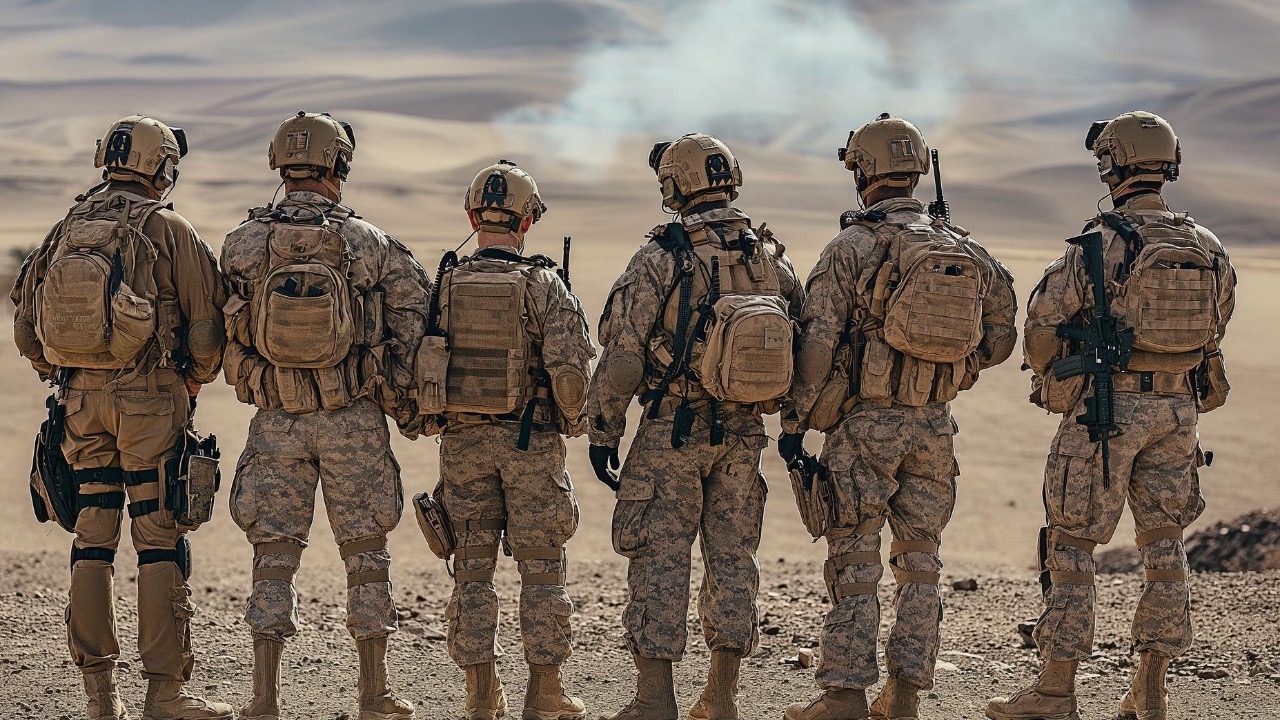
U.S. Moves to Automatic Registration for Military Draft Pool
The United States is preparing to automatically enroll eligible young men into the military draft system, marking the most significant change to draft registration in decades—even as officials stress that no active draft is being reinstated.
What’s Actually Changing
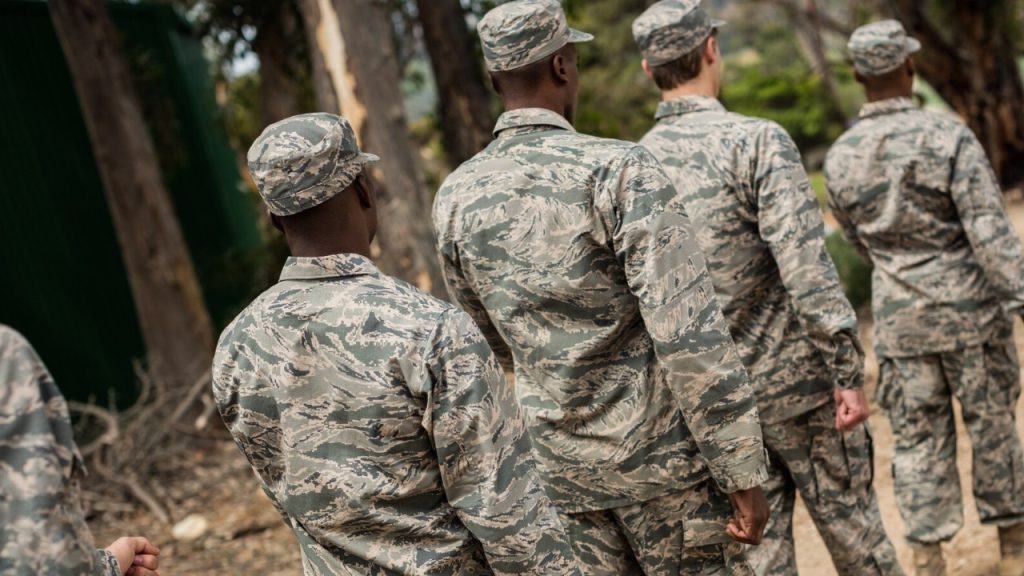
Under a provision in the 2026 National Defense Authorization Act, the Selective Service System will begin automatically registering men aged 18–25 starting in December 2026.
Instead of requiring individuals to sign up themselves:
- The government will use existing federal data (like DMV and other records)
- Eligible individuals will be added to the draft pool automatically
- The responsibility shifts from the individual to the government
This is a major administrative shift, replacing a system that has been in place since 1980.
Important: This Is NOT a Draft
Here’s where people get confused—and you shouldn’t.
- The U.S. has not had a military draft since 1973
- The military is still 100% volunteer-based
- This change only affects registration, not conscription
For a draft to actually happen:
➡️ Congress would have to pass a new law authorizing it
Officials have been clear: this move is about readiness and efficiency, not immediate mobilization.
Why the Government Is Doing This
There are a few real reasons behind the shift:
1. Compliance Has Been Dropping
Fewer young men have been registering manually in recent years.
2. Simpler and Cheaper System
Automatic enrollment reduces:
- Paperwork
- Enforcement costs
- Missed registrations
3. Faster Mobilization (If Ever Needed)
If a national emergency happened, the government would already have a complete database ready.
Who It Applies To
- Men ages 18–25 (including many non-citizens living in the U.S.)
- Women are not currently included (though this is debated politically)
- Applies broadly—even to some groups people don’t expect, like refugees or undocumented residents
Why It’s Controversial
Not everyone is on board.
Critics argue:
- It could make a future draft easier to implement
- Raises privacy concerns about government data use
- Feels like a step toward militarization during global tensions
Some activist groups have even called it a “dangerous data grab.”
Supporters push back:
- Registration is already required by law
- This just automates something that already exists
- It prevents people from accidentally breaking the law
The Bigger Picture
This change reflects something bigger than just paperwork:
- The U.S. is quietly modernizing wartime readiness systems
- Global tensions (like conflict involving Iran) are influencing policy conversations
- The government wants faster, cleaner mobilization capability—even if it never uses it
Bottom Line
The U.S. is not bringing back the draft—but it is making sure it could, quickly, if needed.
Automatic registration means:
- You won’t have to sign up yourself
- The government will already have your info
- The draft system becomes more efficient—and more real
That’s why this is getting attention: it doesn’t change today, but it changes how prepared the country is for tomorrow.

Leo’s been tracking game and tuning gear since he could stand upright. He’s sharp, driven, and knows how to keep things running when conditions turn.