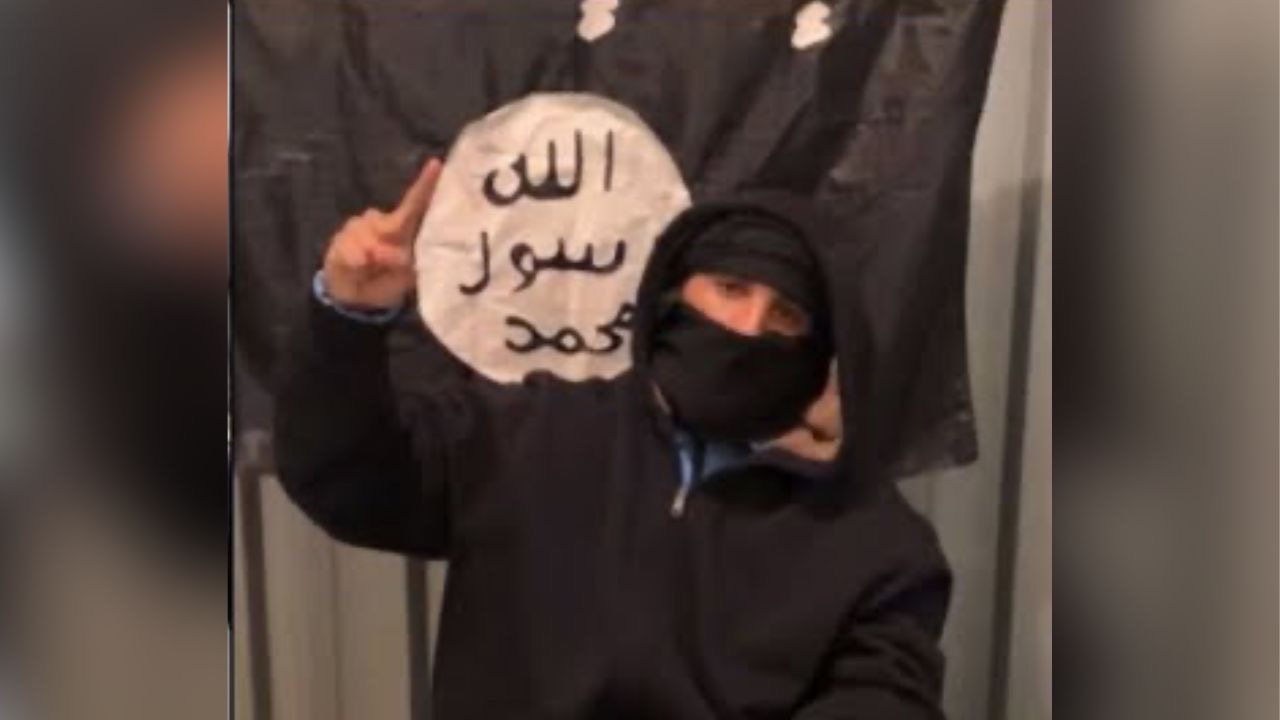
Former National Guard Member Charged With Plotting ISIS-Inspired Mass Shooting at Michigan Army Base
When you come across a story about a young man with military experience turning up in federal court over an alleged terror plot, it makes you pause and think about the gaps in how threats develop right in our own backyard. This one centers on events from last year in Michigan, where a 19-year-old former National Guard member from Melvindale faced charges after authorities say he tried to set up a mass shooting at an Army facility. The plan never got off the ground because undercover officers stepped in early. What stands out is how someone who once wore the uniform ended up aligned with a foreign terrorist group in his thinking. You start to see the layers when you look at his path from service to this point, and how investigators pieced it together without anyone getting hurt.
The Suspect and His Service Record
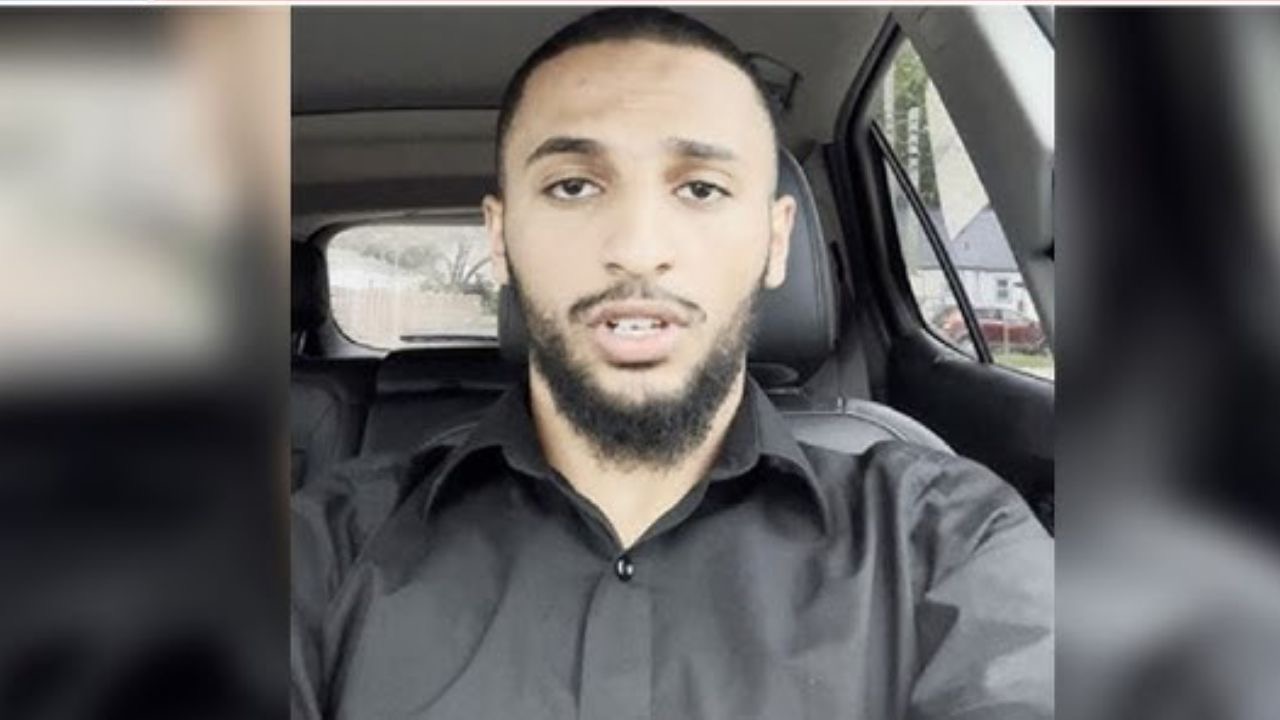
Ammar Abdulmajid-Mohamed Said spent about two years in the Michigan Army National Guard before leaving the service around December of last year. Records show he came from a quiet suburb south of Detroit and had that background in uniform. Federal documents indicate he had voiced frustration with the country and talked about wanting to take part in what he saw as violent jihad, either overseas or here at home.
You notice how his time in the Guard gave him some familiarity with military sites and procedures. He reportedly told contacts that striking inside the United States felt more significant than trying something abroad, where the impact would stay smaller. That mindset appears in the early conversations investigators documented, long before any concrete steps took place.
Inside the Chosen Target Facility
The Detroit Arsenal in Warren houses the Army’s Tank-Automotive and Armaments Command, a key hub that handles supply and maintenance for tanks and other heavy equipment. It sits in a suburban stretch not far from Detroit, operating as a regular workplace for service members and civilians. Security there follows standard military protocols, but the location made it a visible symbol for anyone looking to target U.S. forces.
When you consider the layout, you realize why someone familiar with Army operations might pick it out. The base manages critical logistics that keep units equipped overseas and at home. Officials later noted that disrupting a place like this could affect readiness across the force, which is exactly what the allegations suggest the planning aimed to achieve.
How the Idea for the Attack First Took Shape
Said began sharing his thoughts about an attack with people he believed shared his views. Court papers describe how he laid out the concept of a mass shooting at the Warren facility, drawing on his own knowledge of base routines. This happened months before any action moved forward, starting in conversations that federal agents later monitored.
You can trace the progression from talk to something more structured. He expressed a desire to act in support of ISIS and framed the base as a place where the strike would matter. Investigators documented these early exchanges, noting his stated goal of causing casualties among those stationed or working there. The ideas stayed in the planning phase until undercover officers entered the picture.
Engaging with What Turned Out to Be Undercover Agents
In April of last year, two law enforcement officers working undercover presented themselves as ready to help carry out the plan under ISIS direction. Said took them at their word and started treating them as partners in the effort. He walked them through his thinking and began handing over details that turned the conversation into active support.
You see the shift here from ideas to participation. The officers listened while he described entry points and target buildings inside the facility. This interaction gave authorities a clear window into his intentions without any real harm occurring. The setup allowed them to document each step he took next.
The Concrete Support He Offered for the Plan
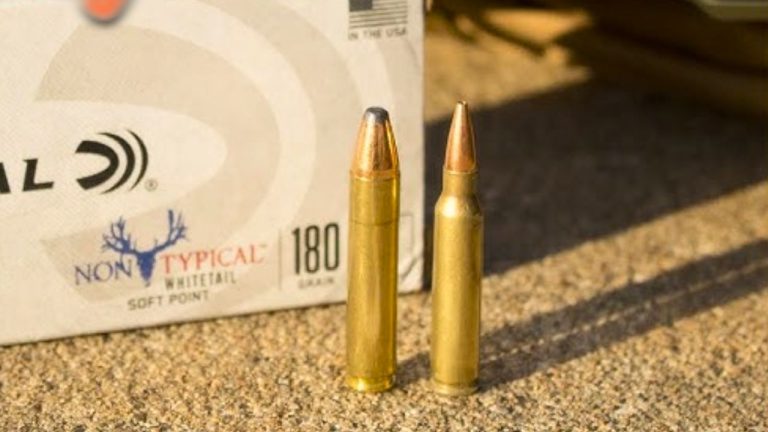
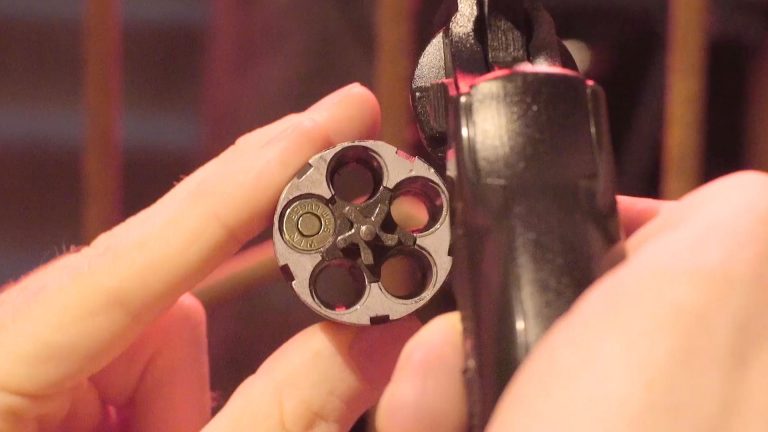
Said supplied armor-piercing ammunition and extra magazines for use in the planned shooting. He also flew a drone over the base to gather visual information on the layout and routines. In addition, he showed the undercover officers how to handle firearms and put together Molotov cocktails, walking them through the construction process.
Looking closer, you notice the level of hands-on help he provided. He mapped out how to get inside the facility and which areas to focus on once there. These actions, according to the complaint, crossed into material assistance that federal law treats as support for a terrorist organization. Every item and lesson he delivered became part of the documented evidence.
The Scheduled Day and What Led to the Arrest
May 13 of last year was the date set for the attack. Said traveled to an area near the Warren facility that morning and launched his drone again as part of the final preparations. That move, authorities say, confirmed he was moving ahead with the plan he had outlined.
You understand why agents chose that moment to step in. He was arrested right there after the drone went up, ending the operation before it reached the base gates. The timing kept everyone safe and preserved the chain of evidence showing his commitment to the scheme. No shots were fired and no one on the base faced any immediate risk.
The Specific Federal Charges Filed Against Him
He faces two counts in the Eastern District of Michigan: attempting to provide material support to a foreign terrorist organization and distributing information related to a destructive device. Each carries a potential sentence of up to 20 years if convicted. Prosecutors have asked that he remain in custody while the case moves forward, citing concerns about community safety and flight risk.
As you review the indictment, the focus stays on the assistance he gave and the knowledge he passed along. The charges rest on the evidence from the undercover interactions and the items he handed over. His initial court appearance happened the day after the arrest, and the case continues under standard federal procedures with the presumption of innocence until proven otherwise.
Reactions from Authorities and the Military
Federal officials described the operation as a clear success in stopping a threat before it developed further. The head of the Justice Department’s National Security Division highlighted the work that kept lives intact. Military leaders called the episode a reminder of the need to watch for insider risks even after someone leaves service.
You pick up on the shared emphasis across agencies. The FBI and Army both stressed ongoing vigilance and cooperation between investigators and commanders. Statements from the U.S. Attorney’s office pointed to the broader danger posed by any support for groups like ISIS, framing the arrest as part of protecting service members and the public.
What This Case Shows About Broader Threats
Plots inspired by foreign terrorist groups continue to surface, often involving people who have some connection to the military or access to related knowledge. This instance stands out because of the suspect’s recent Guard service and the specific target he chose. Authorities note that such cases require close monitoring of online spaces and personal networks where ideas can spread.
When you step back, the details reinforce how quickly intentions can turn into action when the right conditions align. The outcome here depended on early detection and careful undercover work. It leaves room to reflect on the balance between openness in the ranks and the constant effort to spot warning signs before they escalate.

Asher was raised in the woods and on the water, and it shows. He’s logged more hours behind a rifle and under a heavy pack than most men twice his age.