Karoline Leavitt posts photo of newborn as two Iranian embassies respond with reference to 168 dead children
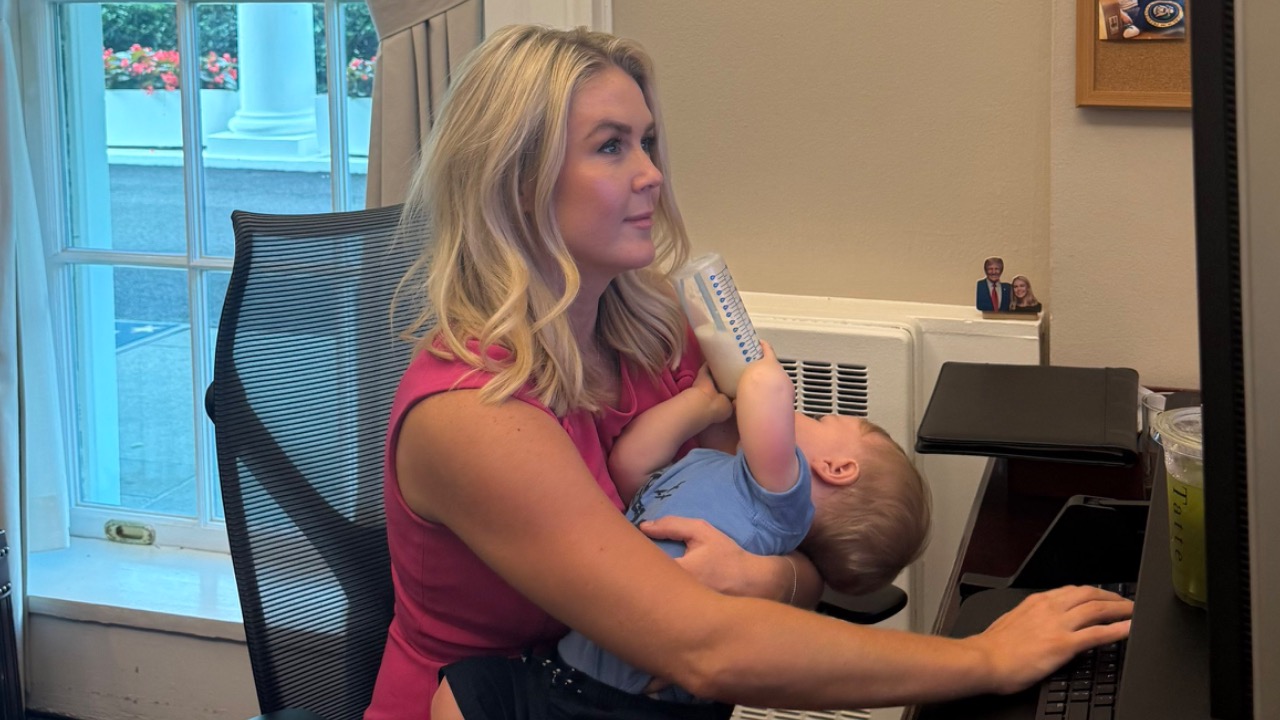
You open your phone to the usual scroll of headlines and family updates, and suddenly there is Karoline Leavitt cradling her newborn daughter in soft nursery light. The White House press secretary, still only twenty-eight, posted the image just days after the birth, her words full of quiet exhaustion and wonder. In an era when officials rarely separate their public roles from private life, the moment felt both ordinary and loaded. What followed turned a personal milestone into something sharper, as two Iranian embassies replied directly on social media. Their messages blended polite nods with raw reminders of children lost in a recent strike, pulling readers into the long shadow of U.S.-Iran tensions.
Leavitt shares her daughter’s arrival
She introduced Viviana, nicknamed Vivi, born on May first. The post showed Leavitt holding the infant close, her toddler son adjusting to the new sibling. She wrote about hearts exploding with love and the simple bliss of the newborn phase, ending with thanks for prayers and a note that God is good. Followers responded with hearts and congratulations, the kind of warmth any new parent hopes for. Yet the timing, just months into her demanding role, made the announcement stand out. It offered a glimpse behind the briefing-room podium, where policy debates usually dominate every appearance.
In that brief window before replies arrived, the image circulated as a feel-good story. Leavitt has built a reputation for straightforward communication since joining the administration. Sharing the photo aligned with how she has always mixed professional updates with personal ones. The caption stayed gentle, focused on family rather than politics. For a few hours, it seemed like a rare pause from the constant news cycle.
Iranian embassies reply on social media
Two days later the tone shifted. The Iranian embassy in Armenia posted first, starting with congratulations before turning pointed. It noted that children everywhere are innocent and lovable, then referenced the 168 children killed in the Minab school strike earlier this year. The message urged Leavitt to think of those mothers whenever she kissed her baby. The wording landed like a deliberate contrast between her joy and their grief. Social media users shared screenshots almost immediately, many calling the reply chilling.
The embassy in South Africa followed with its own statement. It warned that Leavitt’s daughter would one day read history and feel shame over serving what it called one of the most hated governments. It spoke of hands stained with the blood of innocent children, naming Minab again. Both accounts framed their responses as reminders rather than attacks. The move drew attention because embassies rarely engage so personally with an official’s family post. It crossed from policy critique into something more intimate.
Details of the Minab school strike
The strike happened months earlier in the Iranian city of Minab. Reports described a school hit during what the U.S. maintains was not a deliberate targeting of civilians. Iranian sources claimed more than 150 people died, including a large number of children, with some tallies reaching 168. The administration has denied responsibility for the child deaths and rejected accusations of intentional harm. Leavitt, as press secretary, had spoken publicly in defense of the operation at the time, framing it within broader regional security efforts.
International coverage varied, with some outlets noting possible unintended consequences while others echoed Iran’s claims of direct U.S. culpability. The episode fit into a pattern of heightened friction between Washington and Tehran. No full independent investigation has resolved every detail, but the death toll stayed prominent in Iranian statements. When the embassies invoked those numbers in reply to Leavitt, they connected a family milestone to that unresolved tragedy in a single thread.
Online reactions spread quickly
The exchange traveled fast across platforms. Comment sections filled with shock, support for Leavitt, and criticism of the embassies for involving a newborn. Some called the responses heartless political theater; others saw them as a necessary reminder of civilian costs in conflict. Videos and threads analyzing the wording racked up views within hours. News outlets picked it up, framing the story as a collision of personal celebration and state-level messaging.
Public figures weighed in too, some defending the right of diplomats to speak out and others questioning whether family photos should invite such replies. The episode highlighted how quickly social media turns private moments into public battlegrounds. Leavitt herself has not commented directly on the embassies’ posts, keeping focus on her work and family. The silence left room for everyone else to interpret what the exchange really meant.
Broader context of U.S.-Iran relations
Tensions with Iran have simmered for years, flaring over nuclear issues, regional proxies, and occasional military actions. The Minab strike fit into that larger backdrop, where each side accuses the other of aggression. Leavitt’s role places her at the center of daily explanations for administration decisions, making her a visible target for foreign pushback. Using her personal post as an opening showed how diplomats now operate in real time on the same platforms citizens use.
The replies also reflected Iran’s strategy of highlighting civilian suffering to shape global opinion. Past incidents have followed similar patterns, though rarely tied so directly to a birth announcement. For observers in the U.S., the moment served as a stark illustration that foreign policy rarely stays abstract. Even a nursery photo can become part of the conversation when old grievances remain unresolved. It left many wondering where the line sits between official duty and personal space in an always-online world.

Asher was raised in the woods and on the water, and it shows. He’s logged more hours behind a rifle and under a heavy pack than most men twice his age.