Nearly a third of Americans believe latest Trump assassination attempt was staged, poll finds
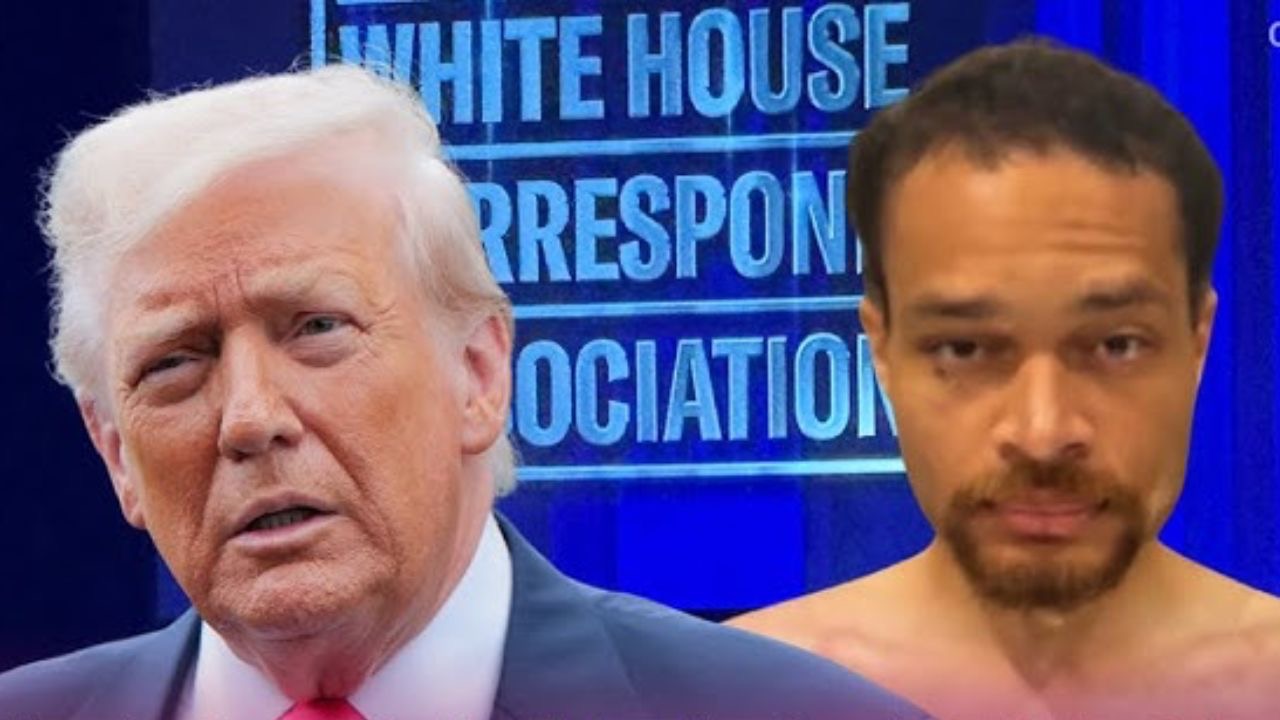
In an era where public trust frays easily, a recent Fox News poll captures a striking level of skepticism. Nearly a third of Americans now say they believe the assassination attempt on President Trump at the White House Correspondents’ Dinner was staged. This view persists weeks after the April incident, highlighting how quickly narratives can take root even when officials describe it as a genuine threat.
You encounter these divides in conversations, online feeds, and family discussions. The numbers reflect deeper currents in how people process high-stakes events amid ongoing political tension.
Understanding the Numbers
Polls from Fox News and NewsGuard/YouGov show consistent patterns across surveys. About 30 percent of respondents view the recent dinner shooting as fabricated, with some expressing strong certainty. Broader questions reveal that the same share thinks at least one of the three attempts on Trump since 2024 falls into this category.
You see the data cut through demographics in revealing ways. A plurality still accepts the events as real, yet uncertainty runs high enough to leave majorities in some polls combining doubters and the unsure. This leaves room for questions about what drives such responses in a polarized environment.
The Latest Incident in Focus
The April event at the Washington Hilton unfolded during a high-profile gathering. Reports described gunfire targeting Trump, prompting immediate security responses and investigations. Authorities maintained it was an authentic attempt, though details continue to circulate in various forms.
You might recall the swift media coverage and the statements that followed. For many, the setting itself—an elite media dinner—added layers of suspicion for those already wary of institutional accounts. The passage of time since then has not fully quieted alternative interpretations.
Earlier Attempts and Patterns
Two prior incidents set the stage. The July 2024 rally shooting in Butler, Pennsylvania, left Trump injured and an attendee dead. Months later, an encounter at a golf course in Florida added to the sequence. Each carried its own security reviews and public reactions.
You notice how these events compound in memory. Repeated threats against a prominent figure invite scrutiny, and the cumulative effect appears to fuel broader doubt. Official conclusions have not erased the sense that more might lie beneath the surface for a notable segment of the population.
Partisan and Generational Splits
Belief that the attempts were staged runs higher among Democrats, with figures reaching around a third or more in some breakdowns for the latest incident. Republicans show far lower rates of skepticism. Age also plays a role, as adults under 30 express more doubt than older groups.
You observe these gaps in everyday life, whether scrolling through different platforms or talking across political lines. They point to how experiences and information sources shape perceptions of the same facts. Younger voices, in particular, bring fresh layers of questioning rooted in their media habits.
The Spread of Alternative Views
Social media platforms and independent channels have carried competing explanations from the start. Videos, posts, and commentary often highlight inconsistencies or raise possibilities of orchestration. This environment lets ideas travel quickly, regardless of verification.
You engage with content that aligns with your existing leanings more often than not. Over time, that reinforcement can make certain perspectives feel like common sense. The result is a landscape where shared reality fragments, affecting how society processes threats to its leaders.
What This Means for Public Confidence
These poll outcomes signal ongoing challenges to institutional credibility. When significant portions question core events, it complicates efforts to address security or heal divisions. Discussions around political violence grow more layered as a result.
You live in this atmosphere daily, where facts and interpretations compete constantly. The findings serve as a reminder that rebuilding trust requires more than statements. They demand attention to the underlying conditions that allow skepticism to thrive so widely.

Asher was raised in the woods and on the water, and it shows. He’s logged more hours behind a rifle and under a heavy pack than most men twice his age.