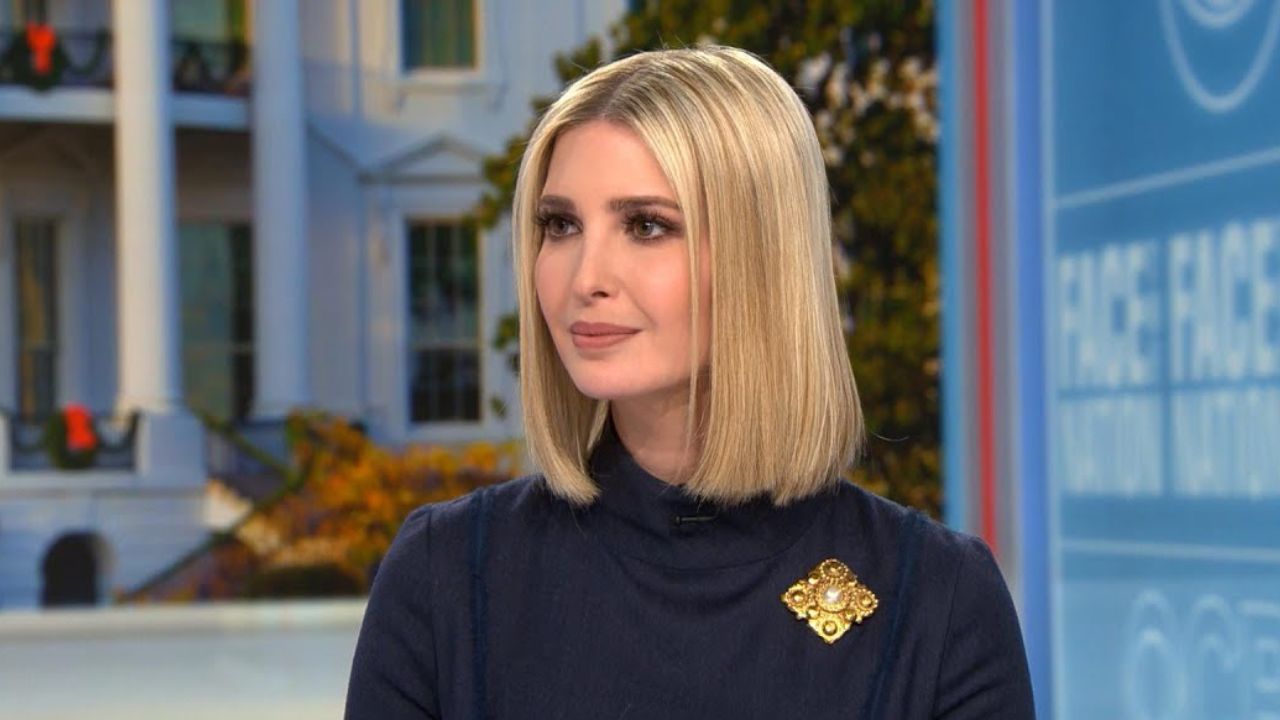
Ivanka Trump reportedly targeted in assassination plot by terrorist seeking revenge for 2020 US drone strike
Ivanka Trump has been named as the intended victim in an alleged assassination plot that investigators link to revenge for the United States drone strike that killed Iranian General Qasem Soleimani in 2020. The reported scheme, tied to an Iraqi suspect said to have received training from Iran’s Islamic Revolutionary Guard Corps, underscores how the fallout from that operation continues to ripple through global security.
Authorities say the plot was disrupted before any attack could be carried out, but the details that have surfaced highlight both the personal risks facing the Trump family and the broader challenge of deterring long‑term retaliation plans by Iran‑aligned networks.
What happened
According to multiple reports, an Iraqi national identified as 37‑year‑old Haidar al‑Araji was arrested after allegedly plotting to kill Ivanka Trump in the United States as part of a revenge campaign for the killing of Qasem Soleimani. Investigators say al‑Araji is linked to Iran’s Islamic Revolutionary Guard Corps, with some accounts stating he received IRGC training in weapons and explosives.
Reports describe al‑Araji as an Iraqi terrorist suspect who considered Ivanka Trump a symbolic target because of her relationship to former President Donald Trump, who ordered the 2020 drone strike that killed Soleimani near Baghdad International Airport. Law enforcement summaries cited in the coverage say the suspect allegedly framed the operation as a personal mission to avenge his mentor’s death and spoke of revenge as “a matter of time.” These statements, relayed by investigators, connect his motivation directly to the Soleimani strike rather than to any recent policy moves.
Several accounts say al‑Araji traveled outside Iraq and began gathering information on Ivanka Trump’s movements and security posture. He allegedly researched potential locations where she might be more vulnerable, including public appearances and routine activities, although authorities have not disclosed specific venues. Reporting indicates that he explored ways to obtain weapons inside the United States and discussed tactics that would maximize the symbolic impact of killing a former president’s daughter.
One detailed summary says investigators believe al‑Araji was part of a broader pattern of Iran‑linked plots targeting current and former American officials associated with the Soleimani operation. In this case, however, the alleged focus shifted from officeholders to a family member, which security officials view as a significant escalation. The suspect’s communications reportedly referenced the IRGC and suggested that he expected support or approval from Iran‑aligned elements if the attack succeeded, although direct operational control from Tehran remains unverified based on available sources.
Authorities ultimately moved in before any attempt on Ivanka Trump’s life could be made. One account notes that U.S. law enforcement and intelligence agencies worked with foreign partners to track al‑Araji’s movements and online activity, then intervened once they assessed that he was actively preparing for an attack. Another report indicates that his arrest followed surveillance of encrypted messaging and financial transactions that appeared linked to operational planning.
Coverage from multiple countries, including a detailed report in South Korea, describes the case as part of a continuing Iranian campaign to retaliate for Soleimani’s killing. That report says al‑Araji allegedly told contacts that he had been preparing for revenge for several years and had considered multiple targets before settling on Ivanka Trump. It also notes that he viewed striking a high‑profile civilian relative of Donald Trump as a way to inflict psychological as well as political damage on the United States.
Canadian reporting adds further detail, stating that the suspect saw Ivanka Trump as both accessible and symbolically powerful, given her previous role as a senior adviser in the Trump White House and her public profile in business and politics. According to that account, investigators believe he monitored open‑source information about her travel and lifestyle while seeking ways to exploit any gaps in her protective detail. The same reporting stresses that the plot was disrupted at a preparatory stage and that there is no indication Ivanka Trump was ever physically confronted by the suspect.
Why it matters
The alleged plot against Ivanka Trump underscores how the 2020 drone strike on Qasem Soleimani continues to shape threat assessments for American officials and their families. Security services have long warned that Iran and its partners would pursue long‑term retaliation strategies, and this case appears to fit that pattern. The suspect’s reported comments about revenge being inevitable reinforce the idea that such plots can surface years after the triggering event.
Targeting a former president’s daughter rather than a serving official carries its own strategic message. Analysts see it as an attempt to show that the consequences of ordering lethal operations extend beyond the decision‑maker to their relatives. That shift toward family members blurs the line between political and personal targeting, raising difficult questions for how governments define and protect potential victims. It also complicates the risk calculus for current and future leaders, who must weigh not only their own safety but also that of spouses and children.
The reported involvement of IRGC training heightens those concerns. If an individual with Iraqi nationality and alleged IRGC ties can travel, conduct surveillance, and begin operational planning against a high‑profile American target, security agencies must assume that similar actors may be exploring other options. The reference to IRGC support in the revenge plan suggests that the network behind Soleimani’s legacy is willing to cultivate operatives well beyond Iran’s borders.
For U.S. domestic security, the case highlights the vulnerability created by open‑source information and celebrity culture. Ivanka Trump remains a public figure whose appearances, business activities, and social media presence are closely followed. A motivated attacker can exploit that visibility to map patterns and identify weak spots. The reported efforts by al‑Araji to track her movements illustrate how personal branding and security can come into tension, especially for families of political leaders.
The plot also carries diplomatic implications. Washington has already sanctioned the IRGC as a foreign terrorist organization, and this case will likely reinforce arguments that Iran’s security apparatus continues to back or inspire attacks on American targets. Allegations that an Iraqi national with IRGC ties sought to kill Ivanka Trump on U.S. soil will add pressure on both Iraq and Iran to address concerns about cross‑border militant training and operational planning. It may also fuel calls in Congress for additional sanctions or covert measures aimed at deterring similar plots.
At the same time, the reported disruption of the plan shows that intelligence sharing and counterterrorism coordination remain effective in preventing high‑profile assassinations. The fact that authorities arrested al‑Araji before any attempt took place suggests that monitoring of Iran‑linked networks has improved since the Soleimani strike. Even so, security officials are likely to treat this as a warning rather than a success story, since the suspect apparently progressed far enough in his planning to identify a specific target and begin concrete preparations.
Media coverage from Canada and other countries also demonstrates how the case resonates beyond U.S. politics. The Canadian reporting frames the plot as part of a broader debate over how far Iran or its proxies are willing to go in pursuing revenge, while the South Korean coverage places it within a wider pattern of Iranian external operations. That international attention reflects concern that similar tactics could be applied to political families in other countries that have clashed with Tehran.
What to watch next
The next phase will likely center on legal proceedings against Haidar al‑Araji and any associates identified through the investigation. Observers will be watching whether prosecutors publicly detail his alleged connections to the IRGC or keep those elements classified. Any court filings that describe his training, travel routes, or communication channels could offer a rare window into how Iran‑linked networks recruit and deploy operatives for overseas plots.
Leo’s been tracking game and tuning gear since he could stand upright. He’s sharp, driven, and knows how to keep things running when conditions turn.