
U.S. military branches ranked from easiest to hardest to join
If you’ve spent any time around recruiting offices or talked to folks who’ve worn the uniform, you already know not all branches are equal when it comes to getting in. Standards shift with manpower needs, but some patterns stay consistent. Academic requirements, physical fitness, medical waivers, and even how selective recruiters can afford to be all play into the equation.
Right now, recruiting numbers and operational demands are shaping who gets in and who doesn’t. Some branches are casting a wider net, while others are tightening the gate. If you’re thinking about serving, it helps to understand where each branch stands before you walk into a recruiter’s office.
Army
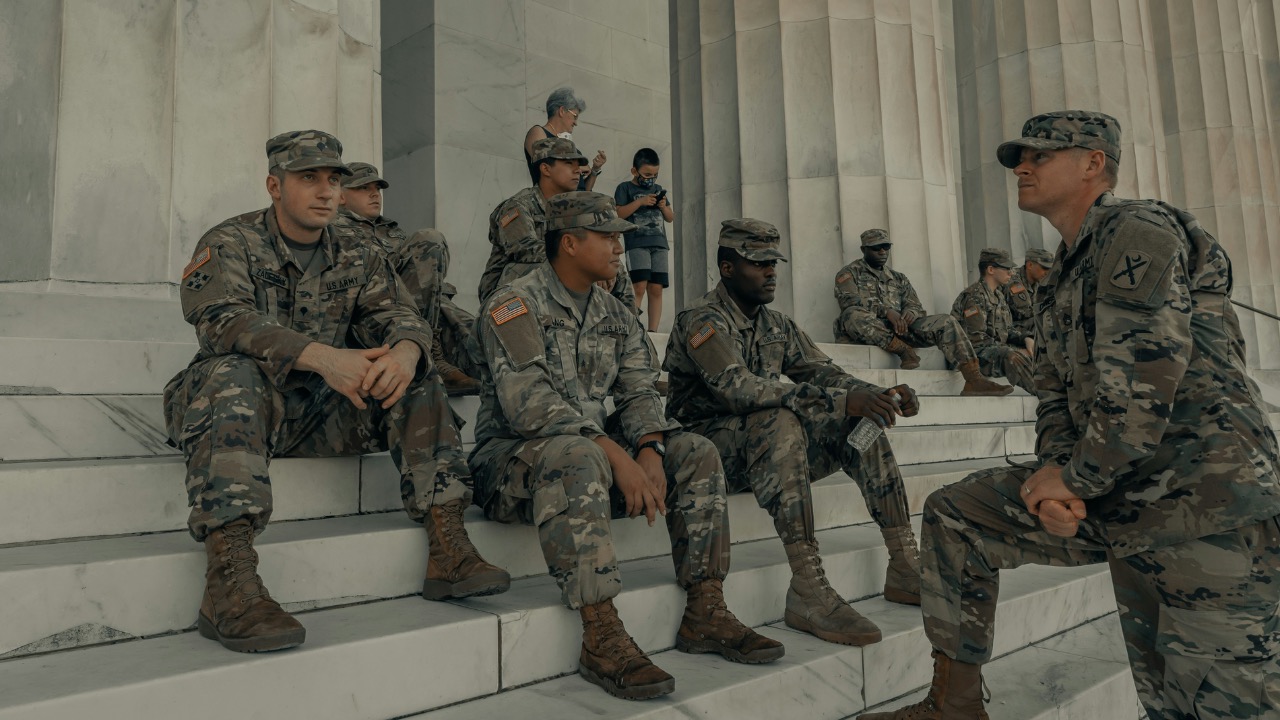
The United States Army has consistently been the most accessible branch for new recruits, largely because of its size and mission scope. When recruiting numbers dip, the Army tends to adjust standards or expand waiver approvals to meet targets.
You’ll still need to meet baseline physical fitness, medical, and ASVAB requirements, but the Army often works with applicants who have minor issues in their background. That flexibility makes it the most realistic entry point for many. If you’re determined to serve and have a few hurdles, this is usually where you’ll find the most opportunity to get a contract in hand.
Navy
The United States Navy sits close behind the Army in accessibility, but it’s a different kind of challenge. Technical roles require stronger ASVAB scores, and certain job fields are more selective than people expect.
That said, the Navy has been actively working to fill ranks in recent years, which has led to more flexibility in waivers and enlistment pathways. If you’re open to ship life and willing to take the job that’s available rather than the one you imagined, your chances improve. The door is open, but you’ll still need to show you can handle both the academic and physical side of service.
Marine Corps
The United States Marine Corps keeps a tighter grip on who gets in, even when numbers matter. This branch leans heavily on physical fitness, discipline, and mental toughness from the very beginning.
You’ll notice it right away in the recruiting process. Fewer waivers get approved, and expectations around fitness are higher before you ever ship out. The Marine Corps doesn’t have the same margin to bring in large numbers, so they can afford to be selective. If you’re not already in solid shape and squared away, getting a contract here can be tougher than most people expect.
Air Force
The United States Air Force has become one of the more selective branches in recent years, especially for enlisted applicants. Strong ASVAB scores, clean backgrounds, and fewer medical issues are often required just to stay competitive.
Recruiters can be picky because demand is high and openings are limited. You’re also more likely to wait for a job slot instead of shipping quickly. While physical standards aren’t as demanding as the Marine Corps, the academic and technical expectations raise the bar. If your record isn’t clean and your scores aren’t solid, getting into the Air Force can be a challenge.
Coast Guard
The United States Coast Guard is small, and that alone makes it harder to join. Fewer openings mean fewer chances, and recruiters don’t need to stretch standards to fill positions.
You’ll need a clean background, solid test scores, and a willingness to wait. Many applicants spend months in the process before getting a slot. The Coast Guard also places a strong emphasis on responsibility and maturity, which shows up in how they screen candidates. It’s not impossible to get in, but compared to larger branches, the margin for error is much smaller.
Space Force
The United States Space Force is easily the most selective branch right now. It’s small, highly technical, and built around specialized roles that require strong academic performance and clean records.
Most applicants are coming in with high ASVAB scores and interest in cyber, intelligence, or space operations. There’s very little room for waivers, and competition is stiff even among qualified candidates. You’re not walking into a recruiter’s office and shipping out quickly here. If you want in, you need to bring strong scores, a clean background, and patience, because this is one of the tightest entry pipelines in the military today.

Asher was raised in the woods and on the water, and it shows. He’s logged more hours behind a rifle and under a heavy pack than most men twice his age.