Ukraine bombs high-tech Russian warplanes more than 1,000 miles inside Putin’s territory in major first for the war
Ukraine has reportedly carried out a long-range drone strike deep inside Russian territory, hitting military aviation targets more than 1,000 miles from the front lines. The strike is being described as one of the deepest attacks of the conflict so far, targeting advanced Russian aircraft stationed far from the battlefield.
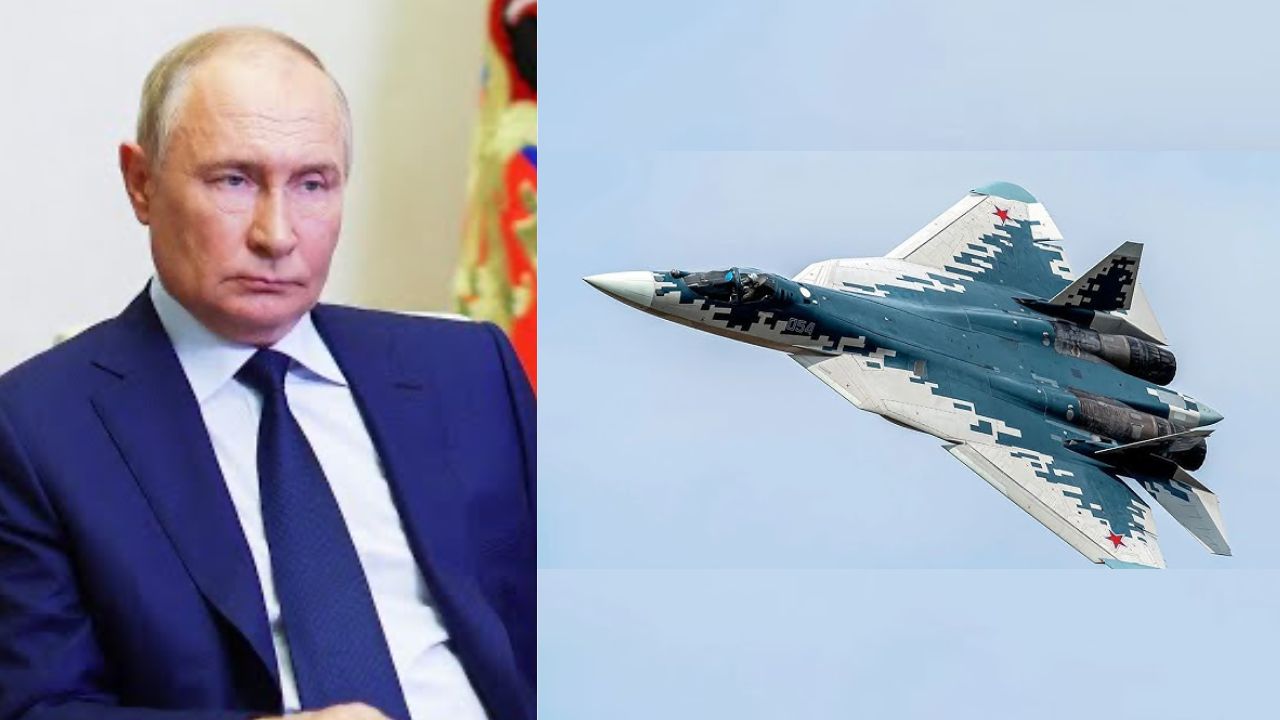
According to reporting from Ukrainian and international sources, the operation hit an airbase in Russia’s interior where high-value aircraft were located. Early assessments suggest that modern fighter jets, including advanced models used for strike and air defense roles, were among the targets. Ukraine has not always publicly confirmed every detail of such operations, but it has increasingly highlighted its ability to reach deeper into Russian territory over time.
How the strike fits into Ukraine’s evolving drone strategy
This attack is part of a broader shift in Ukraine’s military strategy, which has increasingly focused on long-range drone warfare. Instead of relying only on front-line engagements, Ukraine has developed the ability to strike infrastructure and military assets far beyond the immediate war zone.
Over the past year, Ukrainian forces have carried out multiple deep strikes against Russian air bases and logistics hubs, sometimes claiming significant damage to strategic aircraft. Earlier operations have been reported to affect dozens of aircraft across multiple locations, showing a pattern of expanding reach and increasing technical capability.
These long-range attacks are also designed to stretch Russian defenses, forcing resources away from the front lines and into protecting territory that was previously considered safe.
Why targeting aircraft deep inside Russia matters
Striking aircraft far from the front line is strategically important because it targets assets that are harder to replace and usually considered secure. These include long-range bombers, fighter jets, and surveillance aircraft that support Russia’s broader military operations in Ukraine.
Damaging or destroying these platforms can reduce the intensity of air strikes on Ukrainian territory and complicate Russia’s ability to coordinate operations. It also forces changes in how Russia positions its air force, often pushing valuable equipment farther away from potential strike zones, which can reduce operational efficiency.
Russia’s air defense pressure and response challenges
Russia has continued to invest heavily in air defense systems, but repeated long-range drone attacks have exposed gaps in coverage, especially over vast interior regions. Even with layered defense networks, the size of Russian territory makes it difficult to fully protect every military installation.
Reports over the course of the war have shown that Ukraine’s drone operations often combine low-cost systems with coordinated targeting strategies, making interception more difficult. This has created ongoing pressure on Russian air defenses, which must respond across multiple regions at once while also supporting frontline operations.
What this escalation signals for the war
The ability to strike more than 1,000 miles inside enemy territory represents a shift in how the conflict is being fought. It shows that the war is no longer confined to border regions but increasingly involves deep-strike capabilities and infrastructure targeting on both sides.
While each side continues to frame these actions differently, the practical effect is a widening battlefield. As Ukraine extends its reach and Russia adjusts its defenses, the conflict continues to evolve into a longer-range technological struggle rather than a purely front-line confrontation.

Leo’s been tracking game and tuning gear since he could stand upright. He’s sharp, driven, and knows how to keep things running when conditions turn.