Unusual gun request tied to viral ‘ICE Barbie’ figure draws attention online
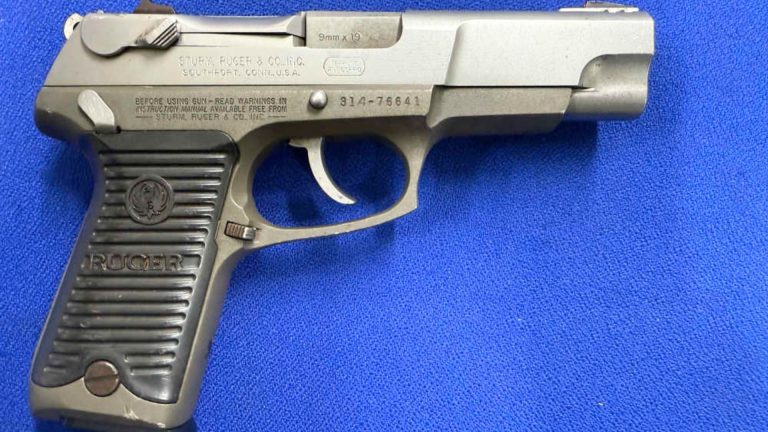
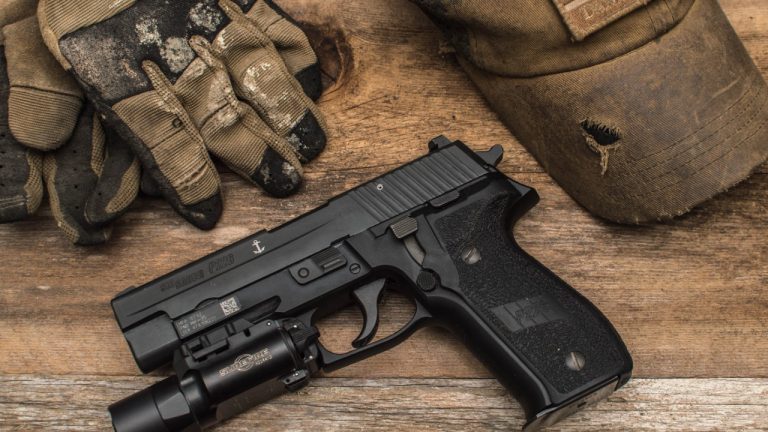
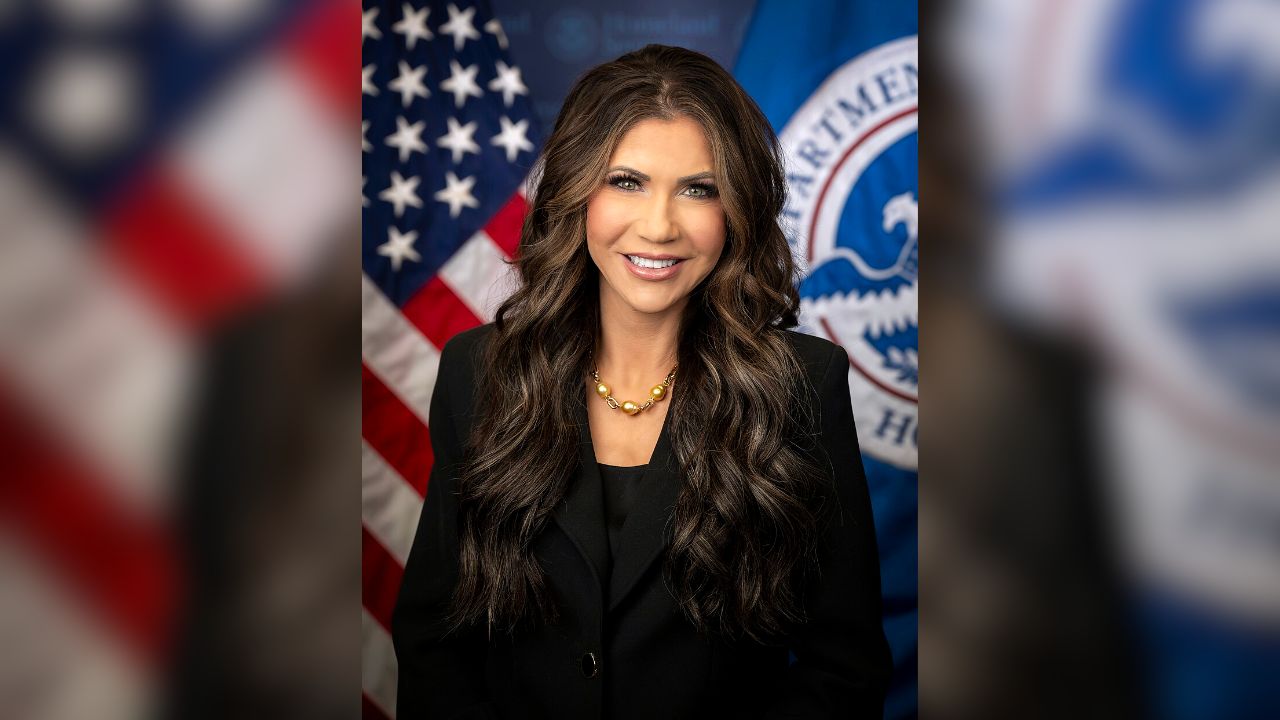
The latest twist in the saga surrounding “ICE Barbie” has nothing to do with a photo op and everything to do with a gun request that sounds more like a movie plot than standard government procedure. At the center is Homeland Security Secretary Kristi Noem’s inner circle, where a reported demand for an official firearm and badge by her alleged romantic partner has turned a viral nickname into a more serious ethics story. That dispute now collides with months of criticism over immigration theatrics, policing tactics, and the blurred lines between political branding and public power.
The unusual gun request has drawn attention because it fits a broader pattern that critics say has long been visible in Kristi Noem’s approach to immigration enforcement and law-and-order imagery. The same figure who posed with tactical gear and weapons is now linked to a behind-the-scenes push for real hardware, and that connection is forcing a closer look at who actually wields authority inside a powerful federal agency.
How a gun request turned into a national story
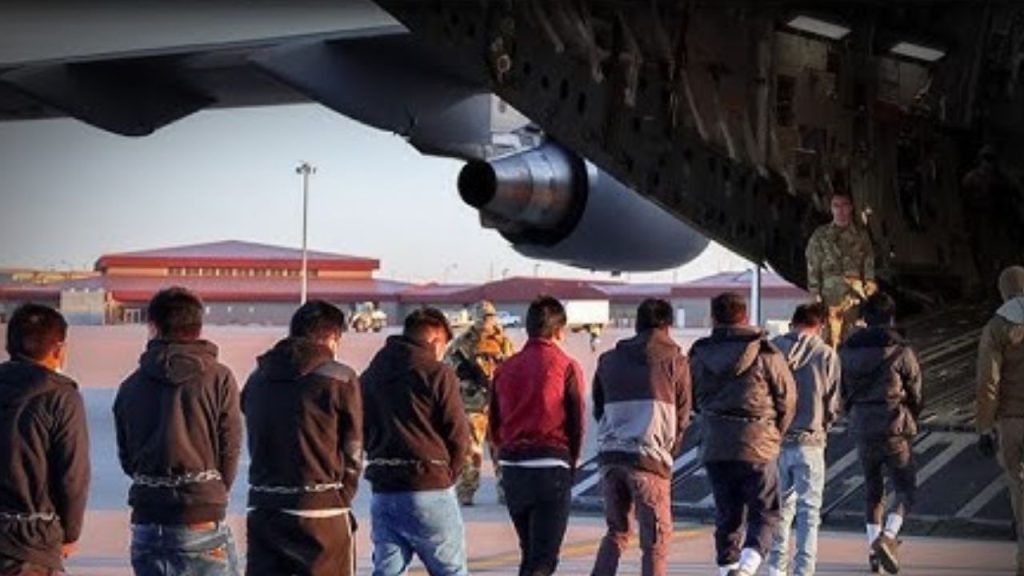
The basic allegation that turned a private ask into a public controversy centers on that request. Reports describe how Kristi Noem’s chief adviser and alleged lover, Corey Lewandowski, pressed top immigration officials for an official firearm and badge, even though his role was informal and political rather than operational. According to accounts of internal discussions, that request for a weapon was treated as highly irregular and raised alarms among career staff who understood that access to guns inside federal enforcement agencies is supposed to follow strict protocols tied to training and legal authority, not personal proximity to power.
The description of Lewandowski’s effort to secure a badge and gun from ICE officials comes through in detailed reporting that characterizes his outreach as a “highly unusual” move for someone in his position, and notes that senior leaders were asked to sign off on it despite his lack of formal law enforcement status. One account of request to top explains that the push involved an autopen authorization and triggered internal debate about whether such a favor could ever be squared with agency rules.
Kristi Noem’s “ICE Barbie” persona and its origins
To understand why this gun story resonated so quickly online, it helps to look back at how Kristi Noem acquired the “ICE Barbie” label in the first place. The nickname grew out of a series of heavily staged immigration enforcement events and social media posts that highlighted her appearance as much as her policy positions, casting her as a glamorous face of hardline border politics. That public image, which critics saw as more cosplay than governance, left her vulnerable to the idea that people close to her might also treat serious enforcement tools like props or status symbols.
Her broader political biography adds context to that branding. As Kristi Noem’s official shows, she has built a national brand around conservative stances on immigration and public safety, and that record made her a natural fit for a high-profile Homeland Security role under Donald Trump. Once inside the department, she leaned into that image with repeated appearances alongside U.S. Immigration and Customs Enf personnel and frequent references to ICE operations, which in turn gave critics the raw material for the “ICE Barbie” moniker that now frames every new controversy.
The alleged lover at the center of the gun demand
Corey Lewandowski’s presence in this story is not just personal gossip; it is central to why the gun request raised so many red flags. As Homeland Security Secretary Kristi Noem’s chief adviser, Lewandowski reportedly enjoyed close access to her schedule and decision making, yet he did not hold a sworn law enforcement position that would normally justify carrying an agency-issued firearm. The idea that a political operative, described in coverage as her alleged lover, could leverage that relationship to seek a badge and gun from ICE officials immediately raised questions about favoritism and the potential for abuse of authority.
Accounts of the episode describe how Lewandowski’s push for official hardware came as he was already a controversial figure inside the department, with some colleagues frustrated by his self-promotion and outside ventures. Reporting on Isabel van Brugen notes that Homeland Security staff viewed his demands as “bonkers” and that the request for a gun and badge was seen as part of a broader pattern in which he treated a sensitive federal agency as a backdrop for his own ambitions.
Why the request was so unusual inside ICE
From an institutional perspective, the most striking element of the story is how out of step the gun demand was with normal practice at ICE. Career agents undergo extensive firearms training, background checks, and periodic qualification tests before they are allowed to carry service weapons, and those privileges are tied to defined enforcement duties. When someone without those responsibilities, particularly a political adviser, asks for an official gun and badge, it challenges the basic framework that separates sworn officers from the political staff who oversee them.
Detailed reporting on request to top underscores that point by explaining that the ask stood out precisely because of the informal nature of Lewandowski’s employment and the absence of any operational need for him to be armed. According to that account, senior leaders recognized that granting such a favor would blur the line between political loyalty and law enforcement authority, and they treated the request as an alarming departure from standard procedure rather than a routine personnel matter.
Gun theatrics and the viral photo op backlash
The gun controversy around Lewandowski landed in an environment where Kristi Noem was already under fire for her own weapon-centered imagery. One widely shared photo showed her pointing a gun at the head of a uniformed officer during a staged exercise, a moment that critics argued trivialized basic safety rules and treated firearms as mere accessories. That image fed the “Friendly Fire Barbie” jokes and deepened the sense among opponents that she viewed law enforcement props as tools for branding rather than as serious instruments of state power.
Coverage of that episode described how, in the photo, she stood between two officers with her weapon angled toward one of their heads, a pose that drew condemnation from gun safety advocates and late-night comedians alike. A detailed account of how Homeland Security Secretary handled that moment describes the wave of online mockery and the argument that someone responsible for national security should model basic trigger discipline instead of violating it for a camera.
Comedy, late-night scrutiny, and the “ICE Barbie” label
Once the public started seeing Noem’s immigration enforcement events as staged set pieces, comedians seized on the “ICE Barbie” nickname as a shorthand for that blend of glamour and hardline politics. Late-night segments highlighted her photo ops in tactical gear and her habit of turning serious operations into social media content, casting her as a kind of action-figure version of a Homeland Security chief. That framing has now attached itself to every new development, including the Lewandowski gun story, which gets filtered through a narrative about vanity and performance.
One segment that captured this mood focused on her participation in a firefighting drill at a U.S. Coast Guard Air Station in Kodia, where she was filmed in full gear alongside a U.S. Coast Guard boat as cameras rolled. Coverage of how Kristi Noem participates emphasized the theatrical quality of the event and helped cement the idea that she treats federal security roles as stages for viral content, a perception that makes the alleged gun request by her adviser look less like a bureaucratic oddity and more like another extension of that show.
Conservative criticism and the “ICE Agent” cosplay charge
What makes the current backlash more potent is that it is not coming only from the left. Some conservative commentators have also mocked Noem’s approach, accusing her of “cosplaying” as an immigration officer rather than doing the hard policy work. One viral clip featured Megyn Kelly ridiculing her for dressing up like an Ice Agent with exaggerated hair and makeup, arguing that the spectacle cheapened serious enforcement debates and turned border policy into a personal branding exercise.
In that video, Kelly described Noem as “cosplaying Ice Agent” and joked that she did it with “like 25 lbs of hair” and “30 lbs of makeup,” a pointed way of saying that the performance had overtaken the substance. The clip, shared widely on social media, came from a segment highlighted by Megyn Kelly roasted and showed that skepticism about the “ICE Barbie” persona had spread into parts of the conservative media ecosystem that might otherwise be inclined to defend a high-profile Trump ally.
How Fox News and House Republicans added pressure
The fallout from Noem’s immigration and policing posture has also surfaced in more traditional political venues. She faced a rare grilling on Fox News over her response to the killing of a man in Minneapolis, a case that drew intense scrutiny from both parties. During that interview, the host pressed “ICE Barbie” Kristi Noem on her rhetoric about domestic terrorism and her handling of the incident, signaling that even friendly outlets saw political risk in her hardline framing.
At the same time, House Republicans have raged at her over the same Minneapolis shooting, particularly after bystander video of the man, identified as Pretti, circulated widely. Coverage that highlighted Footage filmed by became a flashpoint described how members of her own party worried that the administration’s response, including Noem’s comments, would deepen public anger over policing and immigration. Those concerns, combined with Fox News’ tougher questions, show that the “ICE Barbie” brand has become a liability as much as a rallying cry.
Photo-shoot politics and MAGA expectations
Beyond individual incidents, a broader critique is taking shape around how Noem approaches the Homeland Security portfolio. Some activists and commentators aligned with MAGA politics have celebrated her aggressive posture on immigration, but others have accused her of treating enforcement like a continuous photo shoot instead of a policy challenge. A widely shared social media post framed it as “BREAKING” news that “MAGA Homeland Security Secretary Kristi Noem” had embarrassed herself by focusing more on restaurant outings and staged images than on the daily grind of running a sprawling security bureaucracy.
That criticism, captured in a viral post that declared BREAKING: MAGA Homeland had turned immigration enforcement into a “photo shoot,” reflects a tension inside the movement about what leadership should look like. The Lewandowski gun story fits neatly into that narrative, suggesting that the same culture of spectacle that produced viral images and nicknames may also be shaping internal decisions about who gets access to the symbols and tools of federal power.
What the “ICE Barbie” saga reveals about power and image
Taken together, the unusual gun request tied to Kristi Noem’s alleged lover looks less like an isolated scandal and more like a window into how image-driven politics can distort the use of government authority. A Homeland Security Secretary who built a brand around glamorous enforcement visuals, from Coast Guard drills to tactical raid photos, now faces questions about whether that same showmanship encouraged people around her to treat badges and guns as accessories rather than responsibilities. The “ICE Barbie” nickname, once just a jab at her style, has become shorthand for a deeper concern about blurred boundaries between political theater and real-world force.
The continuing revelations about Lewandowski’s behavior, including reports that Lewandowski’s side hustle on Cameo irritated His Colleagues Over Cringey Side Hustle inside the department, reinforce the sense that personal branding and public service have become dangerously intertwined. As long as the “ICE Barbie” persona defines Noem’s national profile, any new revelation about guns, raids, or raids in Virginia that involve her or her allies, such as the operations highlighted by Leigh Kimmins and the 58 agents deployed by Immigration and Customs Enf, will be judged not just on legality but on whether they serve the public interest or simply add another dramatic scene to a long-running political performance.

Leo’s been tracking game and tuning gear since he could stand upright. He’s sharp, driven, and knows how to keep things running when conditions turn.