What experienced preppers focus on instead of quantity
Real preparedness is not a wall of five-gallon buckets in the basement. The preppers who quietly ride out storms, blackouts, and job losses tend to focus on skills, systems, and judgment instead of chasing bigger stockpiles. When you look closely at how they work, you see a pattern: they build depth, not clutter, and they treat gear as a tool to support a plan, not a trophy collection.
I have spent years talking with and learning from those people, the ones who do not brag online but always seem to have what they need. They keep their attention on a handful of fundamentals, from water and medical care to neighborhood relationships and financial resilience. If you want to move from beginner hoarder to seasoned hand, that is where your focus needs to go too.
Mindset before mountains of gear
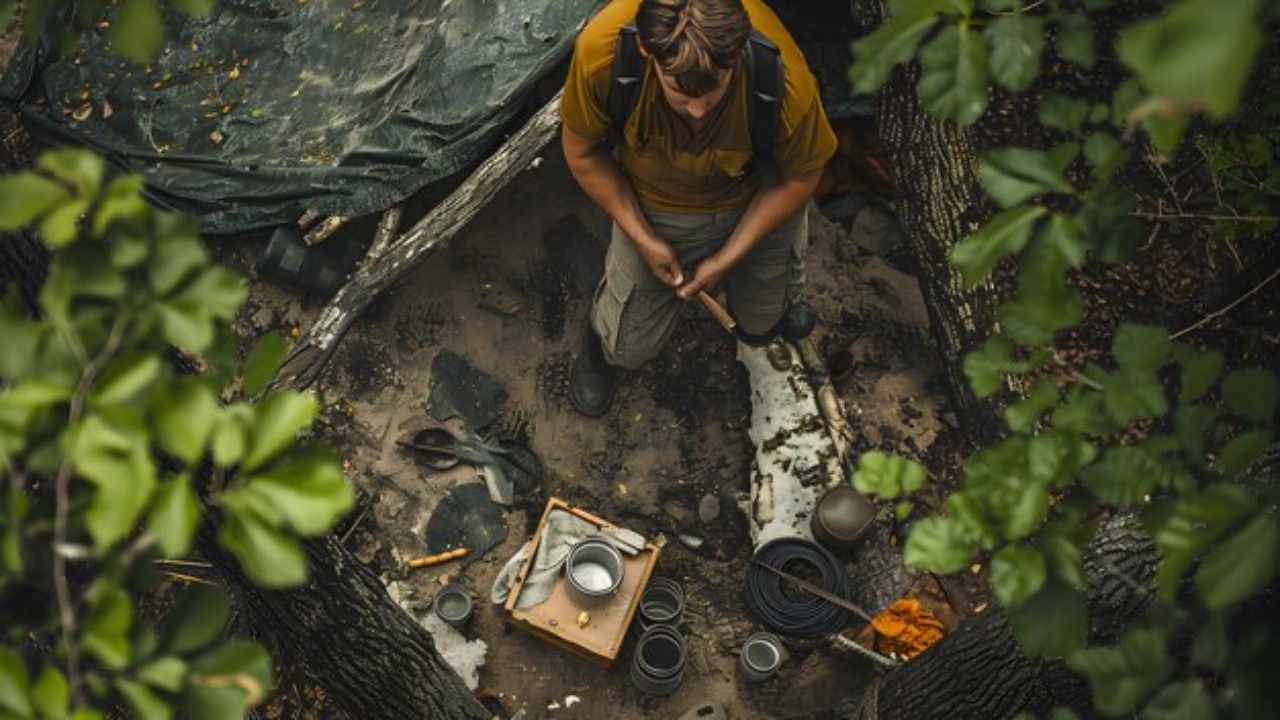
Every experienced prepper I respect starts with mindset. They see preparedness as a long game, not a shopping spree. One detailed explainer describes a What prepping is at its core as making active preparations for emergencies and disruptions of all sizes, not only the cinematic end of the world. Another breakdown of Prepping frames it as creating plans, gathering resources, and gaining skills for everything from power outages to apocalyptic events. That definition alone tells you quantity is secondary. The priority is being able to think clearly, adapt, and act under pressure.
Another deep look at Meaning, Mindset, and Myths Debunked makes the same point in different words. At its simplest, a prepper is someone who makes deliberate, advance plans to handle disruption, and that includes mutual aid planning with neighbors as much as it does stocking shelves. A separate guide on What a prepper is stresses that they value being prepared and constantly improve their survival skills and knowledge. When you internalize that, you stop chasing the next gadget and start asking better questions: What am I actually preparing for, and what decisions will matter most when it hits.
Planning for real risks, not TV scenarios
Veteran preppers plan for the disasters that actually show up in their region and life, not the ones that make the best television. A long thread on whether you can prep for everything starts by asking bluntly, Are you prepping for civil unrest, load shedding, water cuts, long term food shortages, or natural disasters like floods and wildfires. That list is a reminder that most of us are far more likely to face a week without power or a regional fire than a Hollywood asteroid. Another community post advises people to Make a list of the most likely threats, then work down that list as you improve. That is a very different mindset from hoarding for some vague apocalypse.
Even the culture around preppers has shifted. A profile of the broader movement notes that Preppers are concerned with both surviving collapse and navigating the difficult process of rebuilding, which pushes them toward independence and self sufficiency instead of fantasy scenarios. A breakdown of Doomsday Preppers points out that the old TV format highlighted specific doomsday events and individual preparedness plans, but real life rarely follows that script. The seasoned folks I know still watch those shows for entertainment, then go back to checking their wildfire defensible space or their backup heat.
Skills that outlast any stockpile
Ask a room of experienced preppers what matters most and you will hear the same word over and over: skills. One long time hand in a preparedness group flatly says, Nov is when they realized they had been focusing on skills for years more than gear, not because gear is useless but because skills carry you in a long term SHTF scenario. Another post from the same group repeats that I personally have been focusing on skills more than gear, which lines up with what I see in the field. Food storage runs out. The ability to fix a pump, set a bone, or grow calories keeps paying off.
That focus on capability over clutter shows up in smaller details too. A buying strategy thread urges people to spend their limited money on training and knowledge, with one of the More expensive or work intensive tips being to learn to forage and learn about local plants for food and medicine. A separate discussion of the psychology of preparedness notes that Adaptability is central, because a successful prepper learns to adjust based on available resources, changing conditions, and evolving needs. You cannot buy that in a bucket. You earn it by practicing with what you have.
Water, shelter, and medical: the real “sine qua non”
When you strip away the noise, experienced preppers keep circling back to the same survival priorities. One seasoned voice in a preparedness group lays out their Quickly stated “sine qua non” of Survival, loosely translated as “it is not happening without this stuff.” They tell people to remember the priorities, then list shelter, water, fire, food, and medical as the backbone. That is not glamorous, but it is honest. If you cannot stay warm and hydrated, your ammo count does not matter.
Water planning is a good example of how veterans think differently. In a discussion on continuous growth in prepping, one person admits, Water is something they do not store in bulk because they have a well and a creek, so they focus on a hand pump for the well and a way to treat surface water. The same post repeats that they do not store water Because their local resources change the equation. That is the kind of thinking that separates a wall of plastic jugs from a resilient water system: understanding your land, your infrastructure, and your backup options.
Short term building blocks for long term resilience
Another thing seasoned preppers do differently is sequence their efforts. They do not try to jump straight to a five year bunker plan. Instead, they treat short term readiness as the foundation for longer horizons. A widely shared comment spells it out: short term preps are the building blocks for long term readiness, and you should Then prepare for the likely before the possible. That means getting through a three day power outage comfortably before worrying about multi year collapse scenarios.
Newcomers often ask for an “order of operations,” and the more experienced voices tend to give the same answer. One thread titled with a Jan question from a new household gets answers that start with food, water, and basic medical, then move to power, security, and redundancy. Another FAQ style guide on Prepping reinforces that you do not need to be ready for every extreme scenario to call yourself a prepper. You start where you are, shore up the most fragile parts of your life, and build from there.
Systems, not piles: how experienced preppers buy
When you look at how long timers spend their money, you see a clear pattern. They buy to complete systems, not to add random items to a stash. In a long discussion of buying strategies, one person explains that their approach is to invest in multi use gear and training, and one of their Learn priorities is understanding local plants for food and medicine. Another commenter in the same thread talks about pacing purchases so they can afford quality tools instead of cheap duplicates. That is a far cry from panic buying cases of whatever is on sale.
Veterans also warn bluntly against stockpiling for its own sake. A Reddit thread asking why many preppers only stockpile things but never seem to have skills includes a Jan Comments Section where people describe relatives who have “practically done so” but live far out in the sticks and would struggle to use what they own. Another commenter notes that the thread itself was based on a poll of the community, which showed a split between those who train and those who hoard. The experienced crowd is firmly in the first camp. They want every item to have a job, a backup, and a place in a larger plan.
Community, not lone wolf fantasies
One of the biggest differences between beginners and veterans is how they think about other people. Newcomers often picture themselves as lone wolves. The old hands know that is a good way to burn out or get overwhelmed. A detailed look at what a prepper is emphasizes Prepper versus mutual aid, and points out that planning with neighbors and friends is part of the mindset from the outset. Another overview of the movement notes that Preppers are concerned with independence and self sufficiency, but that does not mean isolation. It means being able to contribute to a group instead of being a liability.
On the ground, that plays out in small, practical ways. A Reddit discussion asking What aspect of prepping the average person is better at than the rich and powerful points out that ordinary folks are often better at building real relationships and trading favors. Another thread on experienced tips has a user named Mar “illiniwarrior” warning newcomers not to get lost in some Mad Max fantasy land. The people who actually get through hard times lean on family, neighbors, and church or club networks, not on a bunker alone in the woods.
Financial resilience and smart redundancy
Another area where experienced preppers think beyond quantity is money. They know that a layoff or currency wobble can hit as hard as a storm. A guide aimed at Guide level Doomsday Prepper investors talks about diversifying across metals instead of betting everything on one asset, and mentions specific coins like American Eagles and Canadian Maple Leafs. That is not a call for everyone to buy gold, but it shows how serious preppers think in terms of redundancy and liquidity, not just cash in a checking account. They want options if banks freeze, cards fail, or inflation spikes.
Resilience also means managing your energy and infrastructure. In a video on transitioning to all electric systems, Mike shares firsthand knowledge on optimizing energy usage, managing power reserves, and harnessing renewable sources when moving toward off grid living. That kind of planning is far more valuable than stacking another generator in the garage. It is the same logic that drives knowledge management experts to warn organizations to Preserve expertise so they do not lose the knowledge accumulated over the course of projects. In a household, that means documenting how your backup systems work and making sure more than one person can run them.
Multi use gear and practiced routines
Finally, the preppers who actually perform under stress lean hard on multi use gear and rehearsed routines. A video on rarely talked about survival supplies points out that When it comes to emergencies, versatile items that can serve multiple purposes are crucial, whether you are a seasoned prepper or new to the game. The same video notes that Whether you are bugging in or out, things like contractor bags, duct tape, and tarps can solve dozens of problems. That is the opposite of buying a single purpose gadget for every imagined scenario.
Experienced preppers also build routines around their gear. A thread on why some people only stockpile without skills, linked earlier through the Comments Section, is full of stories about relatives who never rotate food, never test stoves, and never practice with radios. Contrast that with the folks who schedule quarterly drills, cook from their pantry weekly, and treat every storm as a rehearsal. They are living the definition from What a Prepper is: creating plans, gathering resources, and gaining skills so they can be more prepared for whatever comes, from a short power outage to something far worse.

Asher was raised in the woods and on the water, and it shows. He’s logged more hours behind a rifle and under a heavy pack than most men twice his age.