Why Some Guns Become Favorites While Others Fade Away
Some firearms inspire decades of loyalty while others slip quietly out of gun safes and store catalogs. The difference rarely comes down to a single feature or marketing slogan. Instead, a mix of performance, history, economics, and culture decides which designs become enduring favorites and which fade into footnotes.
From cartridges that refuse to die to pistols that define entire eras, the story of staying power in the gun world reveals as much about shooters and their habits as it does about steel and ballistics.
Design tweaks, cartridge choices, and the shifting idea of “good enough”
One of the biggest changes in recent decades is how much more choice shooters have. New rifle and handgun models arrive every year, yet only a fraction gain lasting traction. Ammunition follows the same pattern. A handful of cartridges keep thriving while others, sometimes with better paper ballistics, struggle to find a foothold.
Enduring cartridges tend to balance performance with practicality. They offer enough accuracy, power, and manageable recoil for real-world use, not just impressive charts. The .30-06 Springfield, .308 Winchester, and .270 Winchester are classic examples. Each delivers reliable hunting performance, fits in widely available rifles, and has ammunition on almost every shelf. That combination of capability and convenience keeps them relevant even as sleeker, faster rounds arrive.
Reporting on why certain rifle cartridges endure points to a few recurring traits. Rounds that can be chambered in a broad range of rifles, that work for multiple game animals, and that are easy to handload or find in stores tend to survive. Cartridges that demand specialized rifles, rare components, or that sit in an awkward performance niche often stall. When a shooter can walk into a small-town shop and find a box of their chosen round, that confidence quietly reinforces loyalty.
Modern cartridge introductions also show how the definition of “good enough” has shifted. Newer designs promise flatter trajectories or slightly less recoil, but they must offer a clear edge over familiar standbys to justify the switch. Many shooters decide that a trusted round, already proven on their local deer or elk, is still “good enough,” especially when ammunition prices and supply are front of mind.
How culture, stories, and shared experience turn guns into icons
Technical merit alone rarely explains why some guns become beloved. Cultural weight and shared stories often matter just as much. A rifle that has accompanied several generations on the same family deer lease carries a different meaning than a new, feature-rich model that has yet to prove itself in the field.
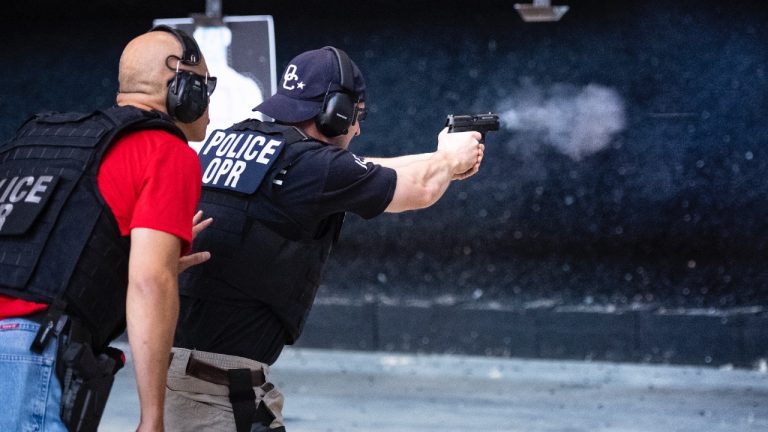
Military service and law enforcement adoption can accelerate that process. When a platform is issued widely, it exposes thousands of people to the same controls, ergonomics, and quirks. Veterans and officers often buy civilian versions of the guns they trained with, then recommend them to friends and relatives. Over time, that familiarity creates a feedback loop. Manufacturers keep refining and supporting those platforms because they know a large, loyal user base is waiting.
Media and entertainment add another layer. Firearms that appear in popular films, television, or video games gain instant recognizability. That does not automatically translate into long-term success, but it can push a design into the public imagination. When that visibility aligns with solid performance and reasonable price, a gun can shift from “cool prop” to staple of the shooting world.
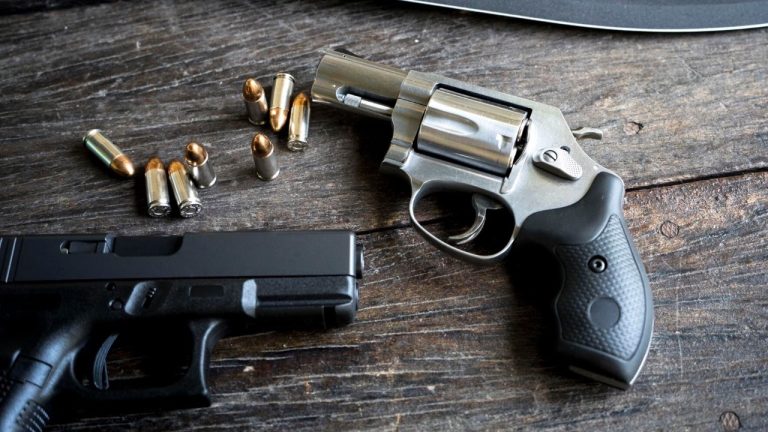
Handguns show this dynamic especially clearly. A pistol that earns a reputation for reliability in competitive shooting or defensive training circles can become a default recommendation. As more people buy and shoot it, online forums, classes, and match results reinforce the sense that this is the safe, proven choice. Competing models may be just as capable, but without the same cultural momentum they struggle to displace the favorite.
Economic realities and the hidden power of logistics
Behind every successful gun or cartridge sits a network of factories, distributors, and retailers. Economics quietly shapes which options survive. If a manufacturer can produce a platform efficiently, support it with spare parts, and keep prices within reach of working shooters, that design has a better chance of long life.
Cartridges illustrate this clearly. Classic rounds that are loaded by multiple companies benefit from competition and redundancy. If one plant slows down, another can fill the gap. A newer or niche cartridge that depends on a single producer is more vulnerable to supply shocks. When shelves go bare, shooters notice, and some move back to more common options.
Reports on enduring rifle cartridges highlight how availability and affordability keep older rounds in circulation. A hunter who can buy a box of .30-06 at a big-box store, a rural hardware shop, and an online retailer will trust that round in a way that a boutique cartridge cannot match. That trust influences rifle purchases. Manufacturers, seeing steady demand, keep chambering new rifles in those calibers, which in turn justifies continued ammunition production. The cycle feeds itself.
Price-sensitive buyers also shape the market. Entry-level rifles and shotguns that deliver acceptable accuracy and durability for a modest cost often become quiet bestsellers. They may never dominate headlines, but they anchor whole segments of the industry. More expensive, feature-heavy models can earn dedicated followings, yet if they require proprietary magazines, unusual parts, or high-priced ammunition, their long-term prospects narrow.
Why the favorites-versus-forgotten divide matters right now
Understanding why some guns stay popular is not just an exercise in nostalgia. It has immediate consequences for how shooters spend money, how manufacturers plan product lines, and how policymakers think about the firearms in widest circulation.
For individual owners, choosing a platform with staying power can mean easier access to ammunition, parts, and training over the long haul. A rifle chambered in a widely supported cartridge, such as those discussed in enduring cartridges, gives its owner more flexibility in lean times and more options for upgrades. A gun that fades from the market may leave its owner hunting for magazines on secondary sites or paying premium prices for limited-run ammo.
For the industry, the divide shapes investment. Companies are more likely to pour research and marketing into platforms that already show signs of long-term adoption. That can mean incremental improvements to proven designs instead of risky bets on radically new concepts. The result is a market where evolutionary change often wins over revolution. New ideas must prove they can coexist with, rather than simply replace, the old standbys.
Public debate around firearms is also affected. Laws and regulations usually focus on the guns that are actually in widespread use, not the experimental designs that never caught on. When legislators talk about common rifles or handguns, they are usually referring to the very models that have already passed the test of time with shooters. Understanding how those platforms earned their place can clarify why certain proposals generate intense reaction while others barely register.
Future favorites, quiet workhorses, and what might fade next
Looking ahead, the same forces that shaped past favorites are likely to decide which current models endure. Cartridges that balance performance, recoil, and availability will keep winning shelf space. Rifles and pistols that accept common accessories, use standard magazines, and have strong aftermarket support will feel safer for buyers who expect to customize.
Technological trends will still matter. Optics-ready slides on handguns, modular chassis systems on rifles, and suppressor-ready barrels are becoming baseline expectations rather than premium extras. Guns that integrate these features without pricing themselves out of reach will have a head start. Those that ignore them risk being seen as dated, even if their core mechanics are sound.
At the same time, some of tomorrow’s quiet workhorses may not be the most glamorous launches. A mid-priced bolt-action rifle that ships with a decent trigger, a threaded barrel, and chambering in a widely available cartridge can build a loyal following over years of steady performance. Entry-level semiautomatic pistols that prove reliable in training classes and home-defense roles can become the default choice for new shooters and instructors alike.

Leo’s been tracking game and tuning gear since he could stand upright. He’s sharp, driven, and knows how to keep things running when conditions turn.