How cold weather exposes firearm weaknesses fast
Cold exposes every shortcut in firearm design and maintenance. Tolerances that feel generous in August suddenly turn unforgiving, lubricants stiffen, and tiny amounts of moisture become ice that can lock a gun solid. I want to unpack how low temperatures stress guns, ammunition, and even the people using them, and why a few winter-specific habits can mean the difference between a clean shot and a dead trigger.
From metal contraction to sluggish oils and denser air, winter conditions punish weak links fast. The same physics that affect industrial machinery, watches, and load cells also act on slides, firing pins, and optics, and the reporting around those systems helps explain why some firearms sail through a blizzard while others choke after a single snowbank.
Cold as a mechanical stress test
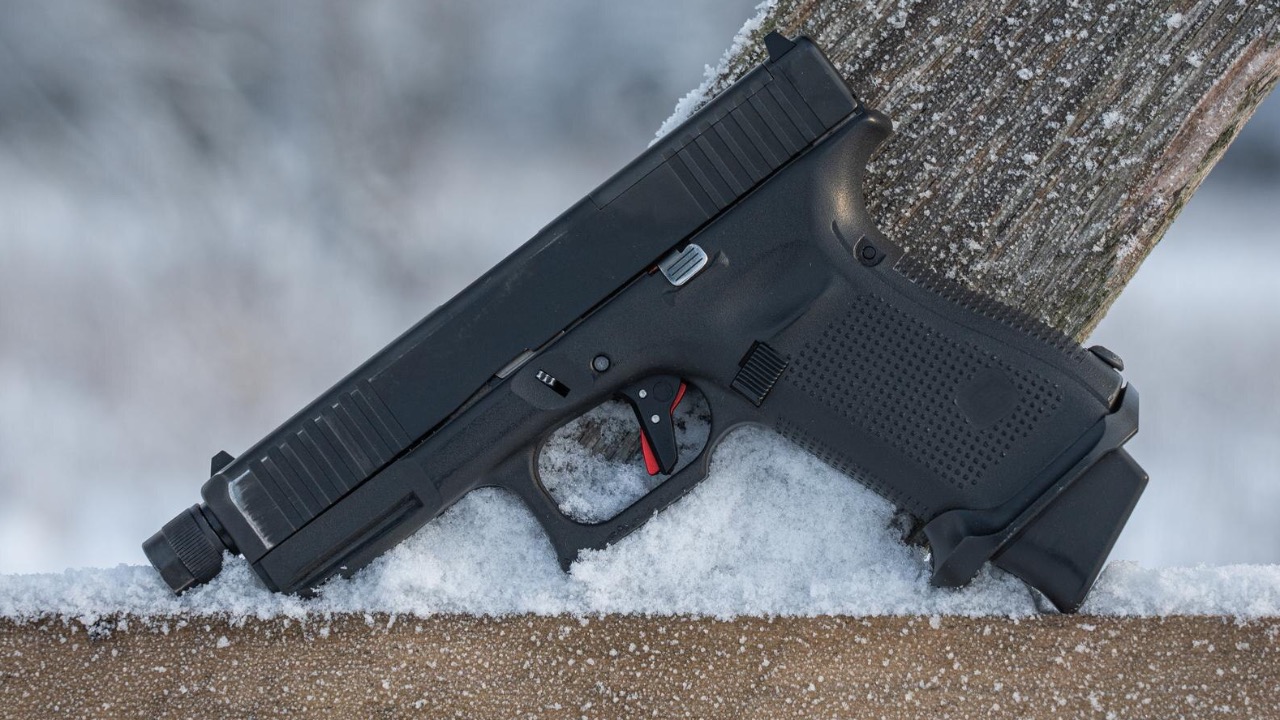
Cold weather turns every firearm into a live experiment in basic physics. As temperatures drop, metal contracts and clearances shrink, so parts that cycled smoothly on a warm indoor range can start to bind once the gun sits in subfreezing air. The Impact of Cold Weather on Firearms describes Metal Contraction and Tolerance Issues as a central winter problem, where freezing temperatures change how tightly components fit together. The same principle shows up in industrial strain gauge systems, where low Temperature makes metal elements contract and alters their shape, a reminder that gun parts are not immune to basic metallurgy.
Those shifts in fit and friction are magnified by the way lubricants behave in the cold. Did you know that when the temperature drops, Did lubricants change their physical property, thickening and sometimes solidifying into a drag-inducing film. Tactical trainers warn that Cold temperatures thicken oils and slow moving parts, a pattern highlighted in guidance on how Cold affects tactical equipment. When I look at firearms through that lens, winter starts to resemble a stress test that quickly exposes any marginal design, sloppy assembly, or over-lubed action.
Frozen temps, frozen parts
Once the mercury plunges, the most common complaint is simple, the gun stops cycling. Frozen Temps and Frozen Parts are a recurring theme in technical advice on winter shooting, which notes that One of the first systems to suffer is the semi automatic action when frigid temperatures hit and moisture or heavy oil combine with tight tolerances. That warning is echoed in detailed breakdowns of how Frozen Temps and can lock up a gun that ran flawlessly in milder conditions.
Real world shooters see the same pattern. In one widely read Comments Section, a user posting as jlo357 argued that most handguns will be fine in snow as long as the gun is not dipped in water and frozen solid, while also pointing to videos from Garand Thumb that show how quickly ice can disable controls. That discussion on Comments Section threads mirrors the formal guidance, if snowmelt or Morning Dew seeps into a mechanism and then freezes, any small scratch or gap can trap expanding ice that stops the gun from moving the way it should, exactly the kind of damage cold weather gear specialists at Morning Dew warn about.
Lubricants that turn from help to hazard
Lubrication is supposed to be a firearm’s friend, yet in winter it often becomes the first suspect when a gun fails. Cold Temperatures create a situation where Lubricants can freeze or simply not work as they do when it is warm outside, which is why winter specific advice stresses using only thin, low temperature rated oils and applying them sparingly. Detailed breakdowns of Cold Temperatures and Lubricants explain that thickened oil can slow firing pins, buffer springs, and bolt carriers enough to cause light strikes or failures to feed.
Maintenance guides aimed at both hunters and defensive shooters repeat the same caution. Essential Gun Maintenance Tips for Cold, Weather, Warm, Weather Shooting note that in freezing temperatures, traditional oils can gum up actions and that Cold Weather care should prioritize cleaning away excess fluid rather than adding more. Local sports columns on how to maintain your firearms in winter go further, warning that at extremely low temperatures, the oil can solidify and cause a malfunction, and urging owners to limit lubricants and choose products rated for low temperatures. That advice, laid out in step by step fashion in the Dec guidance, lines up with broader industrial warnings that lubricants change their physical property in the cold and can no longer protect moving parts effectively.
Metal, moisture and corrosion in the cold
Winter is not just about freezing actions, it is also a perfect recipe for corrosion and structural damage. Any small scratch or gap in a gun’s finish can collect water that later freezes and expands, causing damage to coatings and even underlying metal, a risk highlighted in cold weather advice that singles out Cold Weather and. That same guidance warns that if you are in a high humidity location, you should take scratches or dings very seriously because Morning Dew and melting snow can seep into every imperfection before refreezing.
Broader overviews of The Effects of Cold Weather on Guns and Ammo point out that Extreme summer and winter temperatures can be harmful to both your firearms and ammunition, and that cold metal surfaces are especially prone to condensation when brought into a warm room. Those analyses of Winter Wear issues explain why best practice is to let a cased firearm warm up slowly so moisture forms on the exterior rather than deep inside the action. When winter storms hit, equipment failures often follow because boilers go down and pipes freeze, a pattern building engineers describe when they note that When heating fails, water everywhere inside can freeze from the drop in temperature. That same logic applies on a smaller scale to guns stored in unheated spaces, as detailed in facility maintenance briefings at When.
Ammo and ballistics in dense winter air
Even when the gun runs, cold air changes how bullets behave. Chilling Effects, The Science Behind It, shows that Internal and external ballistics are affected in cold environments, so shooters need to account for slower powder burn, stiffer brass, and denser air that increases drag. Technical notes on Chilling Effects emphasize that a rifle zeroed in mild weather can print noticeably lower in deep cold, even if the shooter does everything else right.
External ballistics specialists underline that in other words, your 55-grain bullet does not change shape with cold, Only air density changes, so it does not matter what bullet you shoot, the thicker air will slow it more. That explanation, laid out in detail in discussions of how Only cold weather can kill bullet trajectory, dovetails with broader advice that Shooting in Cold Weather requires adjusting holds and dope charts. Practical guides from precision focused outlets note that the denser cold air creates more drag on the bullet, which can alter its flight path, and that understanding this effect is essential for anyone stretching shots beyond typical defensive distances, a point reinforced in training pieces on Shooting in Cold Weather.
Ammunition performance and storage in winter
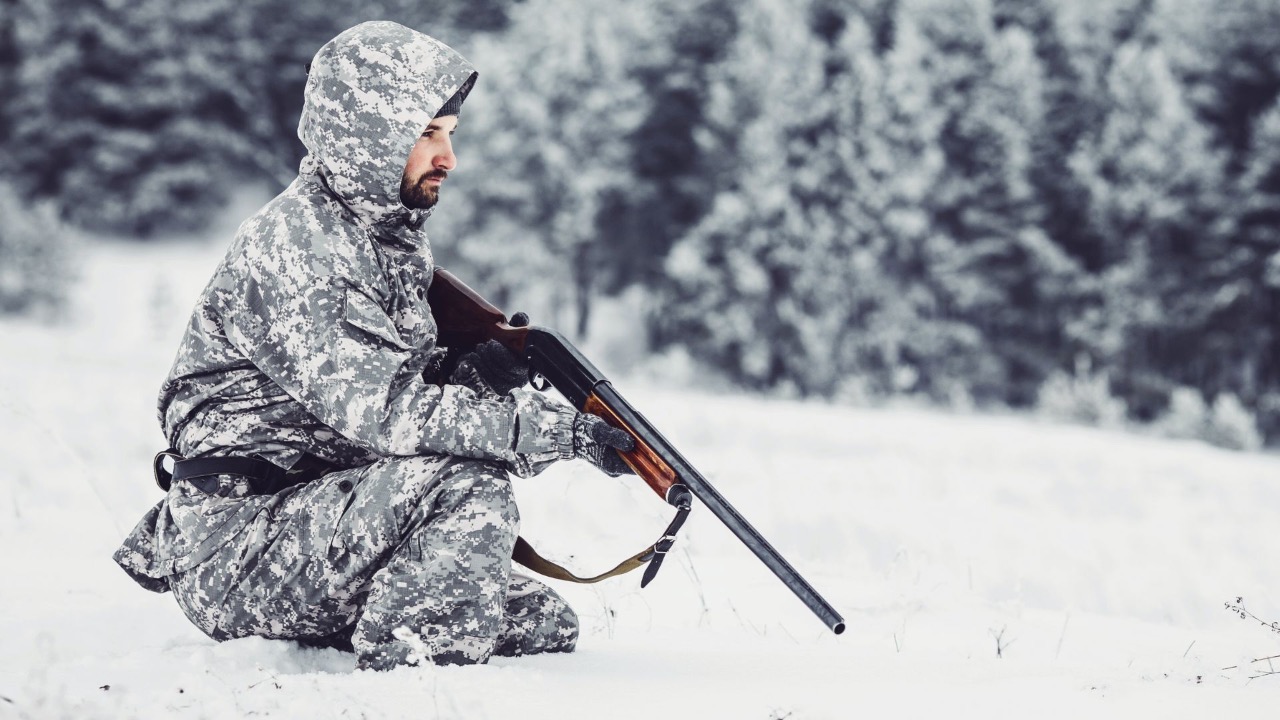
Cartridges themselves are not immune to the cold. For winter hunters you might find yourself in an environment like this, bashing through snow looking for whatever animal you are hunting, and every time ammunition is exposed to melting snow or freezing rain, moisture can work its way into seams and primers. Video based training from Oct sessions on cold weather and its effects on ammunition stress keeping rounds dry and avoiding rapid swings between hot and cold that can cause condensation inside packaging.
Written guides on The Effects of Cold Weather on Guns and Ammo add that Extreme temperatures can degrade propellant and primers over time, and that ammunition stored in vehicles or unheated sheds is especially vulnerable. Those analyses of Effects of Cold on Guns and Ammo point out that while modern cartridges are robust, repeated freeze thaw cycles and long term exposure to condensation can still cause misfires. That is why winter storage advice from Cold weather shooting tip sheets urges shooters to keep ammunition in insulated containers, protect it from snow and ice, and avoid leaving loaded magazines in pockets where body heat and outside air can create a constant cycle of warming and cooling, guidance spelled out in detail in Cold weather gear guidance.
Human factors, gear and tactical performance
Cold does not just punish steel, it punishes the person behind the trigger and the rest of their kit. How Cold Weather Affects Tactical Equipment and Performance explains that Cold weather brings challenges that can affect both tactical gear and the people using it, from stiffened slings and holsters to numb fingers that struggle with small controls. That same analysis notes that Cold temperatures thicken oils and slow moving parts in optics, lights, and other accessories, a reminder that a rifle is only as reliable as the weakest piece of equipment bolted to it, as detailed in the broader overview of How Cold Weather.
Cold weather also affects fine motor skills and perception, which can magnify small mechanical issues. You may notice a variation in mechanical accuracy due to temperature changes in devices as simple as watches, and Gaining time is one of the universal ways that cold affects those mechanisms, as explained in guidance on how You see timepieces behave in winter. If precision instruments like watches and load cells drift in the cold, it is not surprising that optics, rangefinders, and even trigger feel can change as well. That is why tactical training advice on how Cold Weather Affects Tactical Equipment and Performance, accessible through broader How Cold Weather primers, urges shooters to test their full setup in realistic winter conditions rather than assuming warm weather performance will carry over.
Maintenance habits that survive the freeze
Cold weather exposes neglected maintenance faster than any other season, which is why winter specific cleaning routines matter. Essential Gun Maintenance Tips for Cold, Weather, Warm, Weather Shooting recommend stripping away heavy oils, using minimal lubricant, and paying special attention to magazines and trigger groups that can trap ice and debris. Those Essential Gun Maintenance Tips for Cold, Weather, Warm, Weather Shooting, available through adaptive gear makers at Essential Gun Maintenance, also stress function checking firearms after they have been chilled so owners can see how triggers and safeties feel at realistic temperatures.
Local maintenance columns echo that approach with practical steps. Advice on how to maintain your firearms during cold weather urges owners to keep the barrel clear, wipe down exterior metal with a clean, dry cloth, and allow the firearm to sweat when brought indoors, then disassemble and clean completely once condensation appears. That detailed Dec checklist reflects the same preventive mindset that building engineers apply when they warn that winter storms expose neglected mechanical systems. When boilers fail and pipes freeze, the damage is often traced back to skipped inspections, a pattern described in facility reports at Boilers, and the same logic applies to firearms that only see a cleaning bench after they have already failed in the field.
Training, testing and realistic expectations
Ultimately, cold weather is less a surprise and more a proving ground. Winterizing Your Firearms guidance on The Impact of Cold Weather on Firearms and Metal Contraction and Tolerance Issues argues that owners should deliberately test guns in freezing conditions to see how they behave, rather than assuming summer reliability will hold. That advice, laid out in detail in The Impact of Cold Weather on Metal Contraction and, is echoed in winter firearms 101 primers that warn of potential malfunctions in extreme cold and urge shooters to verify function with their chosen ammunition.

Asher was raised in the woods and on the water, and it shows. He’s logged more hours behind a rifle and under a heavy pack than most men twice his age.