Endangered Condors Return to California After a Century—and May Already Be Nesting
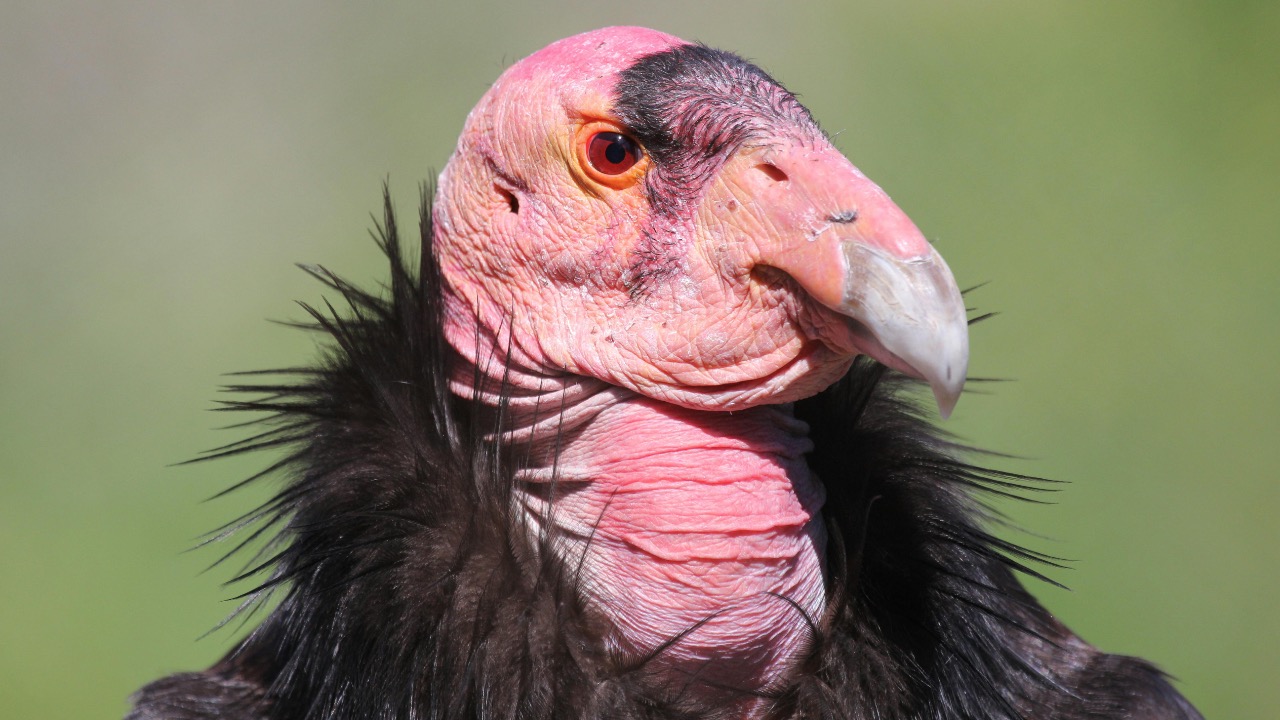
For the first time in roughly a century, endangered California condors have returned to nest in the redwood forests of Northern California, and biologists think an egg may already be on the way. The apparent nest on Yurok tribal land is more than a wildlife story; it is a cultural and ecological turning point that many in the region have spent years working toward. Early observations suggest the pioneering birds are behaving like expectant parents, raising hopes that a chick could soon hatch in the canopy of an old-growth redwood.
The long road back from the brink
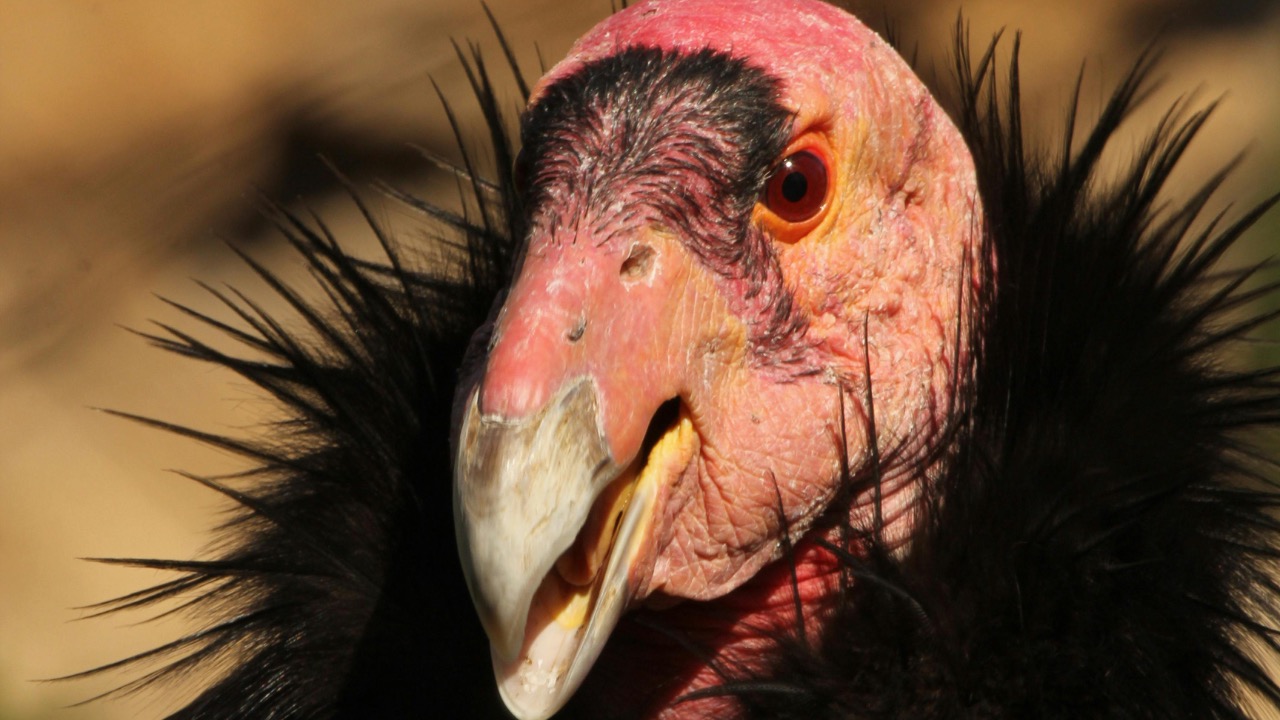
California condors were once pushed so close to extinction that every remaining wild bird was brought into captivity, a drastic step that turned the species into a test case for intensive recovery. From that low point, a network of zoos, agencies and tribal partners built a breeding and release program that has slowly rebuilt the population across the West. According to recent program figures, the total number of condors increased from 566 in 2024 to 607 in 2025, a sign that the long-running effort is finally gaining momentum.
Those numbers still describe a species on the edge, but they mark a significant improvement from the days when condors survived only in captivity. Of the total population, 392 are now flying free, including birds soaring over Northern California, Arizona, Utah, Oregon and parts of Mexico. A broader overview of California condors notes that about 350 live in the wild across these regions today, a fragile but growing foothold for North America’s largest land bird.
A suspected nest in the redwoods
The latest breakthrough comes from the coastal forests of far Northern California, where biologists and tribal scientists are tracking a pair of condors that appear to be nesting. Observers on Yurok land have documented the birds entering and exiting a cavity in an old-growth redwood in the Redwood Creek drainage, behavior that typically signals a breeding attempt. Tribal officials describe the site as a possible condor nest and have framed it as a major milestone for their restoration effort, with one report calling it a major milestone for the Yurok Tribe’s long-running work to bring the species home.
Researchers believe the female, identified as A0, would have deposited the egg within the redwood cavity after months of searching the forest for a suitable site. Tribal statements say A0 and her mate have been using the Redwood Creek drainage as a core part of their territory, and their repeated visits to the tree suggest they are tending something inside. Coverage of the discovery notes that the nest is on California tribal land for what is believed to be the first time in roughly 100 years, a symbolic return to a landscape where condors once played a central role in both ecology and ceremony.
Meet A0 and A1, the pioneering pair
The condor pair at the center of this story has become known by their identifiers, A0 and A1, and by the Yurok names that reflect their cultural importance. Condor A0, also cataloged as 969, carries the Yurok name Ney-gem’ Ne-chween-ka, translated as “She carries our prayers.” Tribal staff and biologists describe her as a pioneering female that was released in the region’s redwood forest in 2022 under a joint program run by the Yurok Tribe and. Her partner, A1, has been observed sharing incubation duties and guarding the nest cavity, behavior that further strengthens the case that an egg is present.
For Yurok citizens and researchers, the likelihood that Ney-gem’ Ne-chween-ka is incubating an egg on ancestral land carries deep emotional weight. Tribal language speakers emphasize that the name Ney-gem’ Ne-chween-ka, sometimes shortened to Ney, reflects a belief that condors carry prayers between the human world and the spiritual one. Reports describe how the pair’s movements have shifted from wide-ranging flights to more focused trips in and out of the nest tree, a classic pattern for condors that are tending an egg and later a chick. Researchers following the pair say that A0 and A1 are likely the first condors to nest in Northern California redwoods in approximately a century, a view echoed by Researchers who have watched their progress from release to potential breeding.
Why Yurok land is central to condor recovery
The Yurok Tribe has long described condor restoration as inseparable from its broader work to heal land, water and culture along the Klamath River. In Yurok language, the bird is known as prey-go-neesh, and tribal leaders have said that its absence left a spiritual and ecological gap that could be filled only by bringing the species home. The Northern California Condor Restoration Program, which focuses on Yurok ancestral territory, is framed as a vital part of both environmental and cultural renewal, with condor release sites overlooking the Klamath River, its tributaries and the surrounding region, according to program descriptions.
The restoration program is a partnership that brings together the Yurok Tribe, Redwood National and State Parks and federal wildlife agencies, among others. Tribal documents highlight how condor recovery is funded partly through donations from supporters who see the bird as a symbol of resilience, with information for contributors shared through dedicated donor information pages. Yurok representatives often connect condor work to other projects such as salmon restoration and prescribed fire, arguing that the same forces that damaged rivers and forests also pushed prey-go-neesh to the edge. In that context, a nesting condor on Yurok land is not just a biological success but also a sign that long-term tribal stewardship is reshaping the region’s future.
Reading the clues: are the birds already incubating?
Biologists are cautious about declaring a confirmed egg without visual proof, yet the behavior of A0 and A1 has convinced many that incubation is underway. Observers report that the pair is alternating time inside the redwood cavity, with one bird slipping into the nest while the other perches nearby or forages, a pattern typical of condors that are keeping an egg at the correct temperature. One analysis notes that the condors’ behavior suggests an egg could hatch in late March or Early April, assuming the breeding attempt proceeds normally.
To avoid disturbing the birds, field crews are relying on distant observations and remote tracking data rather than climbing to the nest cavity. Reports say that condor A0 and her mate have been seen entering the tree at regular intervals while limiting their time away, a strong sign that they are tending an egg rather than simply roosting. Social media updates from conservation partners add that biologists say a pair of California condor may be incubating in a redwood nest as the long-running recovery program continues. While the exact timing of egg laying is not publicly confirmed, the pattern of nest attendance has given researchers enough confidence to begin planning for the possibility of a chick later this spring.
A century-long gap in Northern California skies
For residents of Northern California, the prospect of a condor chick in the redwoods would close a gap that has lasted roughly 100 years. Historical accounts and tribal knowledge both point to a time when condors were common along the coast and inland ridges, feeding on marine mammal carcasses and large terrestrial carrion. Reports describe the current development as the first condor egg in Northern California in 100 years, a span that covers the entire modern history of industrial logging, dam building and widespread use of lead ammunition in the region.
Several recent summaries of the situation emphasize that endangered condors are believed to be nesting on California tribal land for the first time in roughly 100 years, highlighting both the rarity of the moment and the scale of the recovery challenge that preceded it. One analysis from Northern California describes the development as a monumental change on Yurok tribal land in Northern California, where endangered condors are thought to be incubating an egg after more than a century away. Another account notes that a pair of endangered condors is nesting in Northern California redwood forests for the first time in 100 years, a concise way of capturing the scale of the comeback.
How condors fit into a changing West
Condor recovery in Northern California is part of a broader story that spans multiple states and international borders. Today, about 350 condors live in parts of California, Arizona, Utah, Oregon and Mexico, the result of decades of captive breeding and phased releases. In Arizona and Utah, condors released near the Grand Canyon have become a familiar sight to hikers and river runners, while birds released in central California patrol the Big Sur coast and inland mountain ranges. The Northern California flock, tied closely to Yurok efforts and Redwood National and State Parks, represents the newest piece of that mosaic.
As the population grows, biologists are tracking how condors respond to modern threats such as lead ammunition, power line collisions and shifting food sources. The fact that A0 and A1 are nesting in a redwood cavity suggests that at least some of the region’s habitat features remain intact enough to support the species, even after a century of logging and development. At the same time, program partners stress that continued progress depends on practical measures such as non-lead hunting ammunition, careful siting of infrastructure and ongoing funding for monitoring. For listeners who follow regional coverage, interviews on regional radio have framed the nesting news as evidence that coordinated policy, science and tribal leadership can slowly reverse some of the West’s most severe conservation losses.
Managing access, curiosity and risk
The sudden appearance of a condor nest in a popular park landscape raises immediate questions about how to balance public interest with the birds’ safety. Managers in Redwood National and State Parks, working with the Yurok Tribe, are expected to limit access around the nest area if necessary to reduce disturbance. While exact closures are not detailed in the available reports, similar condor nesting sites in other regions have been protected with temporary trail reroutes, signage and volunteer monitors who help keep visitors at a respectful distance. Mapping tools such as QuickMap, which provide real-time information on roads and closures, often become part of the toolkit for communicating these changes to travelers.
Tribal leaders and biologists have also appealed to the public’s sense of shared responsibility. They emphasize that condors are sensitive to repeated disturbance at the nest, which can cause adults to abandon eggs or chicks if they feel threatened. Public statements encourage birdwatchers and photographers to enjoy condors from afar rather than trying to locate the exact nest tree, reminding people that a successful chick would be a benefit to the entire region. Outreach channels, from local radio streams such as Humboldt Last Week to social media posts that invite readers to “Hey check this out” when sharing condor news through Twitter, help spread both excitement and guidelines for respectful viewing.
What comes next for prey-go-neesh
If the suspected egg in the redwood cavity hatches on the timeline biologists expect, Northern California could soon see its first wild-fledged condor chick in roughly a century. That milestone would validate years of planning by the Northern California Condor Restoration Program and provide a powerful symbol for Yurok citizens who have worked to bring prey-go-neesh back into ceremonies and stories. It would also add another wild-born bird to a population that still numbers only in the hundreds, strengthening the genetic and geographic foundation for future growth.
Regardless of the outcome of this particular nesting attempt, the condors’ return to Yurok land has already shifted the narrative around one of North America’s rarest birds. The sight of A0 and A1 slipping into an old-growth redwood, somewhere above the Klamath River and its tributaries, suggests that the species is relearning how to live in a landscape that once defined its range. For conservationists and tribal leaders, the moment is both a celebration and a reminder that recovery is a long, incremental process that depends on continued support, from ticketed fundraisers promoted through platforms like TicketSmarter to accessibility tools such as UserWay that help more people engage with condor news online. If prey-go-neesh can once again raise its young in the redwoods, it will stand as a rare example of a species pulled back from the edge through a mix of science, cultural leadership and patient public investment.

Asher was raised in the woods and on the water, and it shows. He’s logged more hours behind a rifle and under a heavy pack than most men twice his age.