Villagers fight back against cartel with heavy weapons
You don’t have to spend long in rural parts of Mexico to understand how pressure builds. When cartel activity creeps into everyday life—roadblocks, extortion, disappearances—people reach a breaking point. In a handful of regions, that breaking point has turned into organized resistance. Villagers who once kept their heads down are now standing guard, running checkpoints, and in some cases, carrying weapons that used to be far outside civilian hands.
This isn’t a clean story with clear heroes and villains. It’s complicated, tense, and often dangerous for everyone involved. But if you look closely, you can see how these community defense groups form, how they operate, and what it really means when regular people decide they’re done being prey.
When the State Fails, Locals Step In
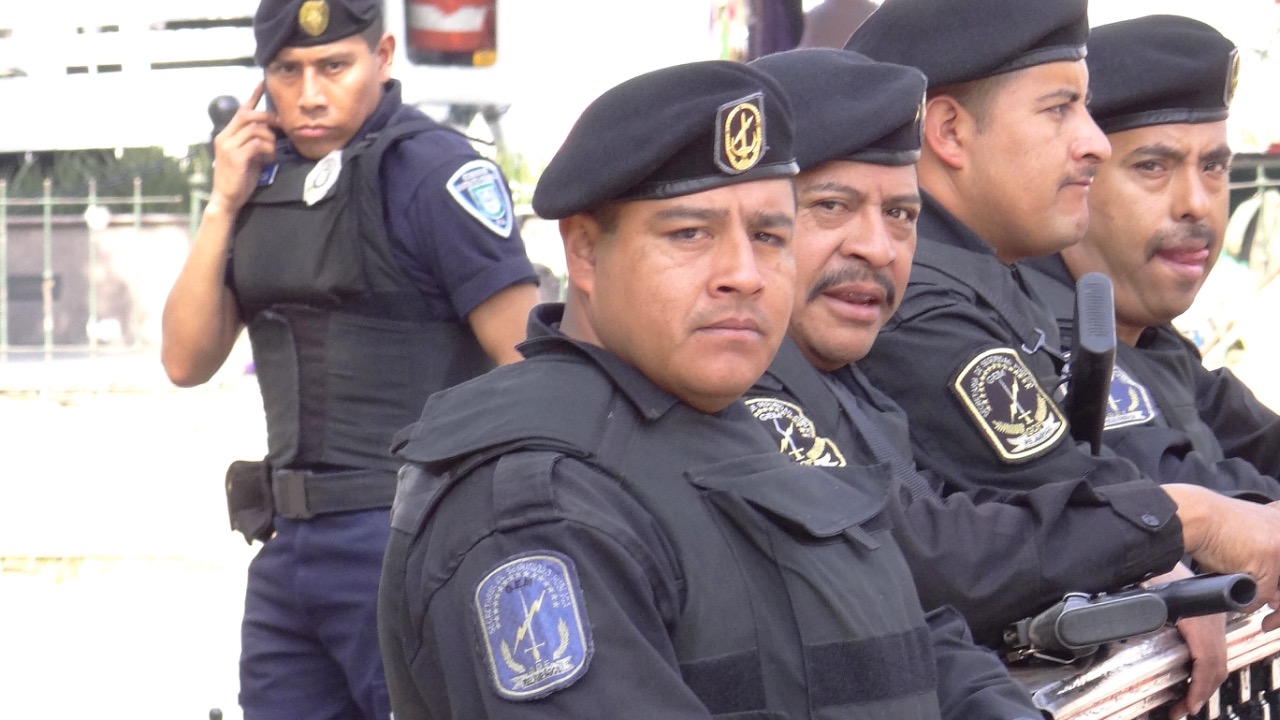
You can trace most of these uprisings back to a lack of trust in official protection. Police forces in remote areas are often understaffed, underpaid, or compromised. When calls for help go unanswered, people start looking inward for solutions.
In many villages, that means forming self-defense groups. These aren’t random mobs—they’re organized, often with leadership drawn from respected locals. You’ll see farmers, tradesmen, and former soldiers standing side by side. They aren’t trying to replace the government, but they are filling a gap that’s been left open for too long.
Weapons Come From Everywhere
At first, most villagers rely on whatever they already have—hunting rifles, old shotguns, maybe a few handguns passed down through families. But as confrontations escalate, so does the firepower.
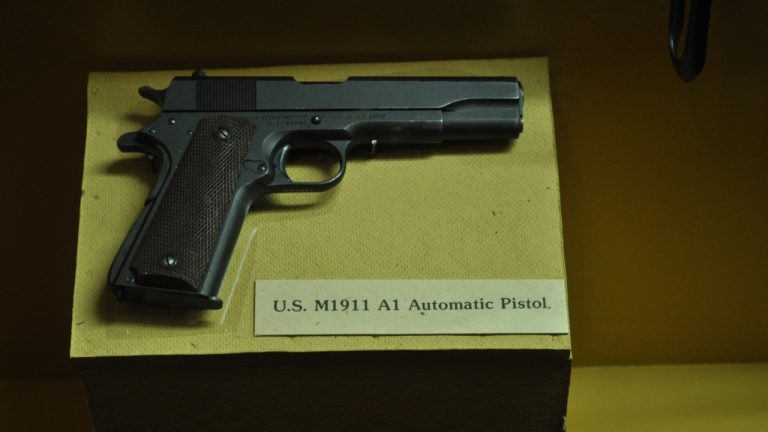
Some weapons are captured during clashes. Others are purchased through black-market channels. In certain cases, former military or police bring training and equipment into the fold. What you end up with is a patchwork arsenal, ranging from basic firearms to heavier weapons that would normally never be seen in civilian hands.
Checkpoints Become the New Front Line
Drive into one of these regions and you’ll likely hit a checkpoint before you reach town. They’re usually manned by locals who know exactly who belongs and who doesn’t. Vehicles are stopped, questions are asked, and sometimes searches are conducted.
These checkpoints serve two purposes. First, they deter cartel movement. Second, they give the community a sense of control over who enters their territory. It’s not foolproof, but it shifts the balance. Instead of being caught off guard, villagers are now watching the roads day and night.
Training Isn’t Optional Anymore
You can’t hand someone a rifle and expect them to be effective under pressure. That’s why many of these groups put real effort into training. Some members have military backgrounds and take on the role of instructors.
They focus on fundamentals—marksmanship, communication, and movement. It’s not formal boot camp, but it’s enough to make a difference. Over time, these groups become more disciplined and coordinated. That shift can be the difference between holding ground and losing it.
The Risk of Becoming What You Fight
There’s a hard truth that comes with armed resistance. Once a group gains power, there’s always a risk it starts to change. Without oversight, lines can blur. Some self-defense groups have faced accusations of abuse or corruption.
You can’t ignore that reality. What starts as protection can drift into control if leadership loses its way. That’s why some communities rotate leadership or try to keep decisions public. It’s an attempt to stay grounded, even when the situation pushes people toward extremes.
Living With Constant Tension
Even when these groups succeed in pushing cartels out, the pressure doesn’t disappear. It settles into a different kind of tension. People stay alert. Patrols continue. Weapons remain close at hand.
For families in these مناطق, this becomes the new normal. Kids grow up seeing armed neighbors as part of daily life. It’s not something anyone would choose, but it’s what survival looks like in places where the threat never fully leaves.

Asher was raised in the woods and on the water, and it shows. He’s logged more hours behind a rifle and under a heavy pack than most men twice his age.