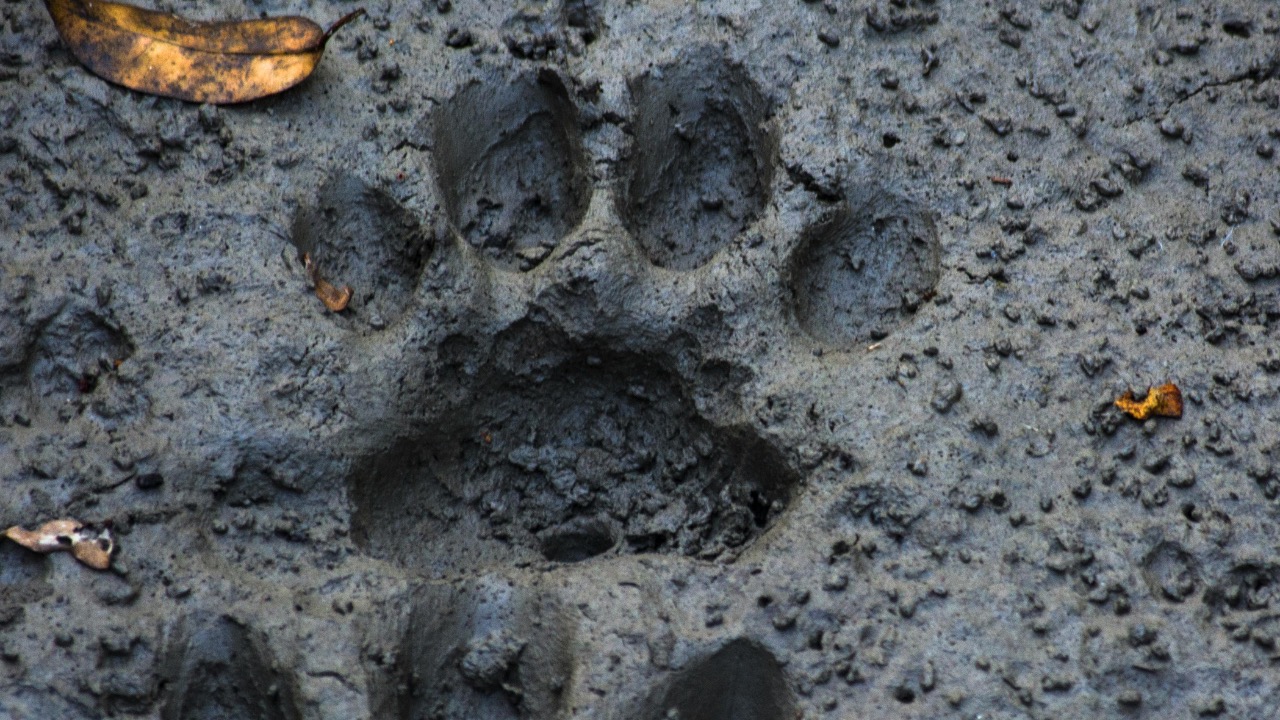
The animal signs in your yard you shouldn’t ignore
Backyards rarely stay as quiet as they look. Long after people go inside, animals leave a steady stream of clues across lawns, fences, and flowerbeds that can flag everything from a thriving ecosystem to a looming safety problem. Learning to read those signs can protect pets, prevent property damage, and keep wildlife conflicts from turning into emergencies.
From subtle tracks in soft soil to chewed soffits and warning plaques at the property line, the messages are there. The risk comes when homeowners shrug them off as quirks of the landscape instead of early alerts that something in the yard has changed.
Tracks, trails and other quiet warnings
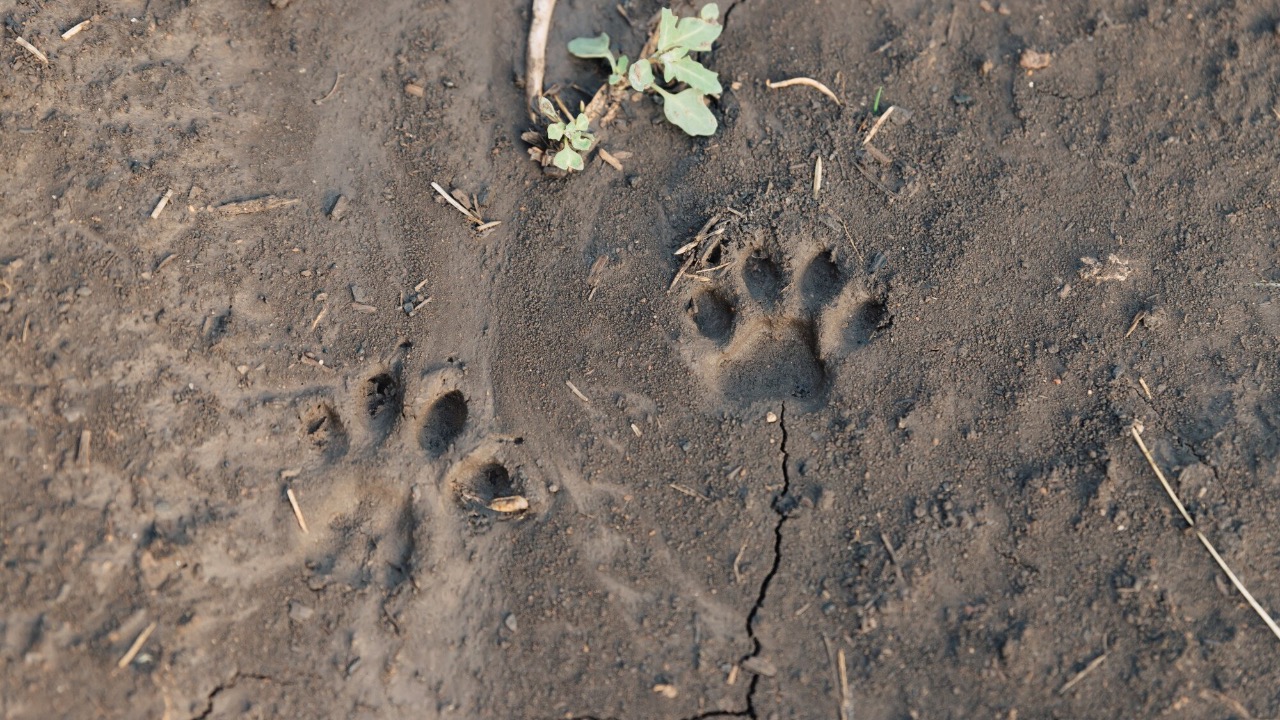
Animal activity often shows up long before an animal is actually seen. Wildlife groups describe a whole catalog of indicators that include calls, burrows, feeding remains, fur, droppings and tracks, all of which can reveal which species are passing through and how often they return. Those recurring signs can show where wildlife is using a garden as a corridor or a feeding ground, even if the animals stay hidden during the day.
Fieldcraft guides stress that learning how to identify animal tracks helps people and wildlife live together more safely. When residents can recognize regular routes, they can move bird feeders, secure bins or pet food, and block access to areas that attract conflict, rather than reacting only after damage appears. That same skill set translates directly to a suburban lawn or city courtyard.
Snakes, for example, tend to avoid people, yet they leave very specific evidence. Advice on yard safety notes that Snakesmove by slithering across the ground, and in soft soil their movement can create visible trails or tracks that run between hiding spots. Paired with shed skins near rock piles or wood stacks, those lines in the dirt are a clear signal that the yard is part of a regular route, not a one time visit.
Other signs are easier to miss. Small, repeated holes in turf can point to rodents or insect hunters, while larger, cone shaped digs may suggest skunks or armadillos. Even without a clear print, the pattern and scale of disturbance often tell a story. Ignoring that story can allow a minor issue to grow into a colony under a shed or a nest inside a wall.
Snake sign: when a garden becomes habitat
For many homeowners, evidence of snakes is the line between a relaxing yard and one that suddenly feels off limits. Guides to backyard hazards explain that even if a resident has never seen a reptile in person, there are top signs that there are snakes in the yard, including those slither trails, sheds, and concentrated rodent activity that draws them in.
Some community safety posts go further and outline prevention steps in blunt, practical terms. One widely shared checklist urges people to clear their compound regularly, cut grass, remove bushes and clear debris so there are fewer hiding spots. It also recommends that residents seal cracks and holes around the building foundation, a simple step that can keep a snake that is passing through the garden from becoming an indoor emergency.
Those measures are not just about comfort. In many regions, venomous species use the same food sources and cover as harmless ones. Treating every sign of snakes as a trivial nuisance, rather than a prompt to tidy up and close gaps, increases the odds that a curious child or pet meets the wrong animal at close range.
Digging, chewing and structural red flags
Some of the most expensive animal problems start with barely visible damage. Wildlife control specialists warn that in both residential and commercial settings, ignoring early signs of animal activity can lead to costly property damage, health risks and liability issues. Small openings in soffits, siding or roof lines can quickly turn into entry points for raccoons, squirrels or birds that nest in insulation and wiring.
Professional removal services flag holes in roofs, soffits and siding as reasons to call for help, not just for convenience but because of legal complications. One advisory notes that legal issues can arise when homeowners respond without understanding local wildlife laws. Ignorance of those regulations can lead to illegal actions that carry penalties in addition to the original repair bill.
On the ground, repeated digging near foundations or under decks is another warning that should not be brushed off. Articles on yard pests point out that burrowing animals can undermine structures and create trip hazards, and that the same disturbed soil can attract predators. When that digging coincides with other evidence of snakes or rodents, it suggests a larger food web setting up inside the property line.
Droppings, fur and calls in the night
Not every sign is visual. Wildlife educators highlight animal calls as a key part of the picture, along with fur caught on fences, droppings on paths, and feeding remains such as nutshells or feathers. Together, those clues can reveal which species are active at dusk and dawn, when most people are indoors.
Droppings in particular are easy to dismiss as a messy inconvenience, yet they often carry the clearest information. Clusters of small pellets on patio furniture may point to mice or rats using railings as highways. Larger, segmented scat with fur or seeds can indicate foxes or coyotes moving through at night. In each case, the material is a direct link between animals and specific corners of the yard that they favor.
Listening matters as well. Repeated yips, barks or howls from a nearby field can signal that coyotes are established in the area, while high pitched squeaks in a wall cavity may be the first sign of a bat roost. Treating those sounds as background noise instead of data can leave residents unprepared for the health and safety implications that come with close quarters.
Plants that fight back: foxtails and other hidden hazards
Not all threats in a yard come from animals themselves. Some plants can be just as dangerous to pets and wildlife. A widely shared PSA in a pet safety group singles out foxtails, a grass whose barbed seed heads can burrow into paws, ears, noses and eyes. The post does not mince words, warning that these are called foxtails and they are DEADLY for wildlife and pets, then adding a direct plea: Please pull them up by the roots and dispose of them in the trash.
Veterinary guidance cited in that discussion explains that once embedded, foxtail awns do not break down. Instead they keep migrating through tissue, which can lead to infections, abscesses or even internal organ damage. That makes early recognition vital. A dog that suddenly obsessively licks a paw after walking through tall grass may be flashing the only sign an owner will get before a minor irritation becomes a surgical problem.
For homeowners, the takeaway is that yard maintenance is not just cosmetic. Identifying and removing specific hazards like foxtails, and keeping lawns short enough to spot them, is a direct investment in the safety of every animal that crosses the property.
What warning signs on fences really say
Some of the clearest animal related signals in a yard are the ones people put up themselves. A row of plaques and statues can reveal how a property owner thinks about risk, liability and even humor.
One popular category is the guard dog warning. Retailers promote realistic ornaments such as a German Shepherd lawn statue that tells visitors, without a word from the owner, that a large protection breed lives on the property. The description for one German Shepherd figure even emphasizes how it helps neighbors, mail carriers and salespeople understand what kind of mood to expect behind the gate.
Traditional Beware of Dog Signs and Danger Dog Signs are marketed as essential tools for property owners with guard dogs or pets that may pose a risk. The pitch is that clear signage deters intruders while protecting both people and animals. Yet some legal commentators push the opposite view. One viral warning that circulated in video form in Jul insists that residents should never put up a beware of dog sign, arguing that such a notice can be used as exhibit one at a trial to prove that an owner knew a dog was dangerous.
Even within pet owner communities, the debate is lively. A discussion thread from Jan titled Beware of dog signs and liability protection opens with a poster who says Hey y’all and explains that they want to warn visitors about dogs running onto their property without increasing their exposure if something goes wrong. Others in the same space ask about alternative signs that simply state that animals are on the property, a conversation that continued in a post from Nov that began with the word But and explored custom wording.
From “keep off the grass” to wildlife sanctuary
Not every sign is about aggression. Some are quiet requests for cooperation. Yard plaques that ask neighbors to control their pets have become a small industry of their own. One line of Keep Dog Off Grass Signs includes a plaque that reads Please Be Respectful and No Poop Dog Cast Aluminum Yard Sign. The listing notes that this model has 84 reviews and starts from $23.99, a measure of how many people feel the need to spell out basic etiquette.
Other products take a more direct tone. A Double Sided Yard Sign that reads Dog Urine Kills Plants and Curb Your Pet Lawn Marker is marketed as a No Peeing and No Pooping Yard Stake, with an Integrat stake design that can be pushed straight into soil. The message is blunt, but it reflects a real concern for homeowners who have watched ornamental shrubs die back after repeated exposure to concentrated urine.
At the other end of the spectrum are signs that frame a yard as a refuge instead of a battleground. Brands such as Noble Beasts Graphics sell aluminum panels that read Wildlife Sanctuary No Hunting, in some cases sized at 12 inch by 18 inch for visibility at a distance. One product description begins with the word Keep and emphasizes that these signs help keep people informed and aware, a small but clear declaration that the landowner has chosen to prioritize habitat over sport.
Those designs appear in multiple storefronts, including listings that highlight Noble Beasts Graphics, Wildlife Sanctuary and No Hunting in the same breath. A similar item on a craft marketplace uses the label Highlights and repeats the instruction to Keep people informed and aware with a Noble Beasts Graphics Wildlife Sanctuary No Hunting sign. Together, they signal a growing audience of homeowners who want their fences to speak up for animals instead of warning them away.

Leo’s been tracking game and tuning gear since he could stand upright. He’s sharp, driven, and knows how to keep things running when conditions turn.