Experts Warn That Many Off-the-Shelf Survival Kits Fail Basic Durability Tests
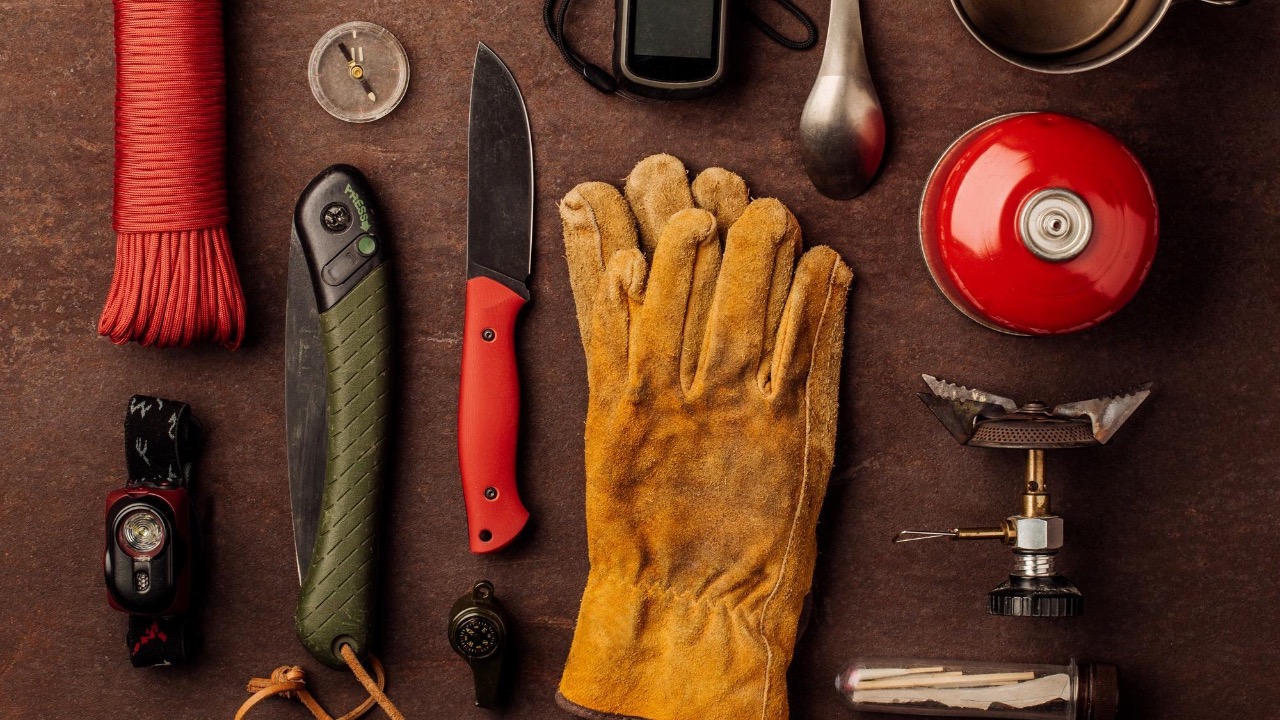
Experts who test survival gear day in and day out deliver a consistent warning. Many off-the-shelf survival kits look complete on the shelf, but they fall short when subjected to basic durability checks. Survival instructors and preparedness specialists routinely run these kits through drops, water exposure, temperature swings, and hands-on use. The results show repeated weaknesses in materials and construction that manufacturers choose to keep costs down. You pick one up expecting reliable backup in an emergency. Instead, you often get items that stop working right when conditions get difficult.
Why Many Kits Skimp on Materials
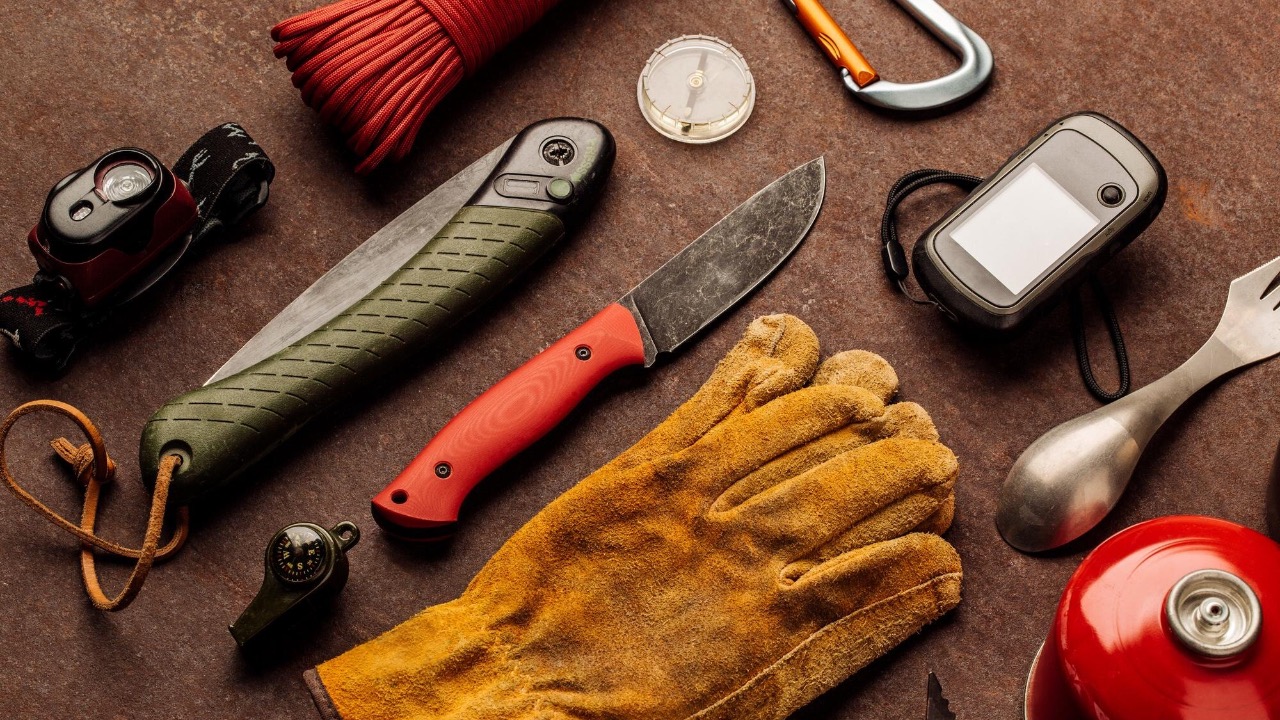
Manufacturers face pressure to hit low price points while packing in as many items as possible. That leads to thinner plastics, weaker stitching, and metals that bend or snap under moderate force. Testers notice these choices immediately once they start handling the gear outdoors. A kit that feels solid in the store can reveal its limits after a short hike or a single night in the rain.
The shortcuts add up fast. Seams on pouches split, zippers jam, and small components shift loose inside the bag. Experts point out that this pattern appears across dozens of popular brands sold at big retailers. When you count on the kit to stay intact through real stress, those decisions matter more than the marketing claims ever suggest.
Tools That Break During Actual Use
Knives and multi-tools in many commercial kits arrive with edges that dull after minimal cutting or blades that loosen in their handles. Survival testers apply them to tasks like slicing cord or preparing kindling and watch them fail within minutes. The alloys used simply do not hold up to repeated pressure or outdoor moisture.
You expect these items to perform when your hands are cold or wet. Instead, handles crack or pivot points seize. Field reports from instructors show the same pattern across budget kits: tools marketed as rugged prove too fragile for sustained work. The disappointment hits hardest when you need them most and discover the metal cannot take the load.
Fire Starters That Don’t Deliver
Ferro rods and matches in off-the-shelf kits often arrive with coatings that flake off or striker surfaces that wear down after a few strikes. Testers expose them to damp conditions and note how quickly the spark fails to catch. Even the included tinder packs clump or lose their ability to ignite once moisture seeps in.
You picture striking a reliable flame under stress. What you get instead is frustration as the components underperform in rain or wind. Experts who run side-by-side comparisons consistently rank these starter kits below basic alternatives you can source separately. The gap between promise and performance shows up every time the weather turns against you.
Shelter Options That Don’t Hold Up
Space blankets and tarps inside many kits tear along fold lines or puncture from light abrasion. Testers stretch them over branches or stakes and watch seams separate after modest tension. The thin mylar layers reflect some heat at first but lose integrity once snagged or folded repeatedly.
You count on that material to block wind and retain body heat through the night. When it rips or loses its seal, the protection vanishes quickly. Survival trainers report the same outcome across tested batches: the lightweight fabrics sacrifice strength for compactness and end up failing the very job they were meant to do.
Water Treatment Items That Fail Quickly
Tablets and filters in ready-made kits often clog after limited use or lose effectiveness when stored for months. Testers run them through dirty sources and record how flow rates drop or chemical tastes turn off-putting. Seals on the packaging crack, letting moisture in long before the expiration date.
You reach for clean water when every other option looks risky. The gear inside these kits frequently leaves you with the same problem you started with. Experts who evaluate dozens of commercial products note that the purification components rarely match the durability of standalone options built for longer field life.
Medical Supplies With Questionable Reliability
Bandages and ointments in these kits come in thin wrappers that split open inside the bag or lose sterility after compression. Testers open pouches after simulated rough transport and find supplies crushed or contaminated. Expiration dates on some items arrive sooner than expected once exposed to heat inside a car trunk.
You want supplies you can trust when injuries happen far from help. The reality in many kits falls short because the packaging and storage conditions were never designed for long-term abuse. Field medics who review these collections highlight the same gaps: quality components get swapped for cheaper versions that do not survive basic handling.
Packaging That Compromises the Whole Kit
The outer bag or case often lacks reinforced corners and waterproofing layers that hold up to abrasion or submersion. Testers drag kits across gravel or submerge them briefly and watch contents get wet or scattered. Zippers seize or tear away from fabric after repeated openings in the cold.
You store the kit in a vehicle or closet expecting it to remain ready for years. When the container itself fails first, everything inside becomes harder to access or protect. Experts who inspect hundreds of these products point to the bag as the weakest link that undermines even the better items packed within it.
The Advantages of Assembling Your Own Gear
Putting together your own kit lets you choose each piece based on proven performance in actual tests. You select heavier cord, stronger blades, and reliable filters that have already shown they last through repeated use. The process also forces you to learn what every item does and how to repair it on the spot.
You gain confidence that comes from knowing the gear personally rather than trusting a sealed package. Instructors who train civilians emphasize that custom kits outperform store-bought ones because they match your location, skills, and expected conditions. The extra time spent upfront pays back when the situation demands reliability over convenience.

Asher was raised in the woods and on the water, and it shows. He’s logged more hours behind a rifle and under a heavy pack than most men twice his age.
Similar Posts
The ammo shortage lesson many shooters overlooked last time
Information is for educational purposes. Obey all local laws and follow established firearm safety rules. Do not attempt illegal modifications. Empty shelves and rationed boxes of cartridges were a wake-up call for a lot of shooters. The last big crunch exposed how fragile the ammo pipeline really is and how quickly a normal season of…
Why the .223 isn’t going anywhere—despite the haters
Information is for educational purposes. Obey all local laws and follow established firearm safety rules. Do not attempt illegal modifications. Every few years, someone declares the .223 dead. Too small. Too light. Not enough punch. And every time, the cartridge keeps showing up in deer camps, patrol cars, pickup racks, and range bags. You’ve probably…
Game Wardens Increase Enforcement After Surge in License Violations During Peak Season
Information is for educational purposes. Obey all local laws and follow established firearm safety rules. Do not attempt illegal modifications. Wildlife agencies across several states are stepping up enforcement after a noticeable rise in hunting and fishing license violations during peak season. Game wardens say the increase is mostly showing up in common issues like…
Department of Homeland Security Outlines Border Security Funding Priorities for 2026
Information is for educational purposes. Obey all local laws and follow established firearm safety rules. Do not attempt illegal modifications. The Department of Homeland Security is using the 2026 budget cycle to lock in a long-term strategy for the southern border, combining personnel, detention capacity, and new technology with a political promise of tougher enforcement….
Experts outline less-lethal options for self-defense in urban areas
Information is for educational purposes. Obey all local laws and follow established firearm safety rules. Do not attempt illegal modifications. You don’t have to spend long in a city to understand how fast things can turn. Tight spaces, close crowds, and limited escape routes change the way you think about personal safety. Most folks aren’t…
U.S. states struggling with growing damage from invasive European rabbits
Information is for educational purposes. Obey all local laws and follow established firearm safety rules. Do not attempt illegal modifications. European rabbits are not native to North America, yet they have repeatedly found footholds in pockets of the United States where they can reshape landscapes and budgets. The most visible problems today are highly localized,…