On This Day: U.S. Military Drops ‘Mother of All Bombs’ on ISIS Complex
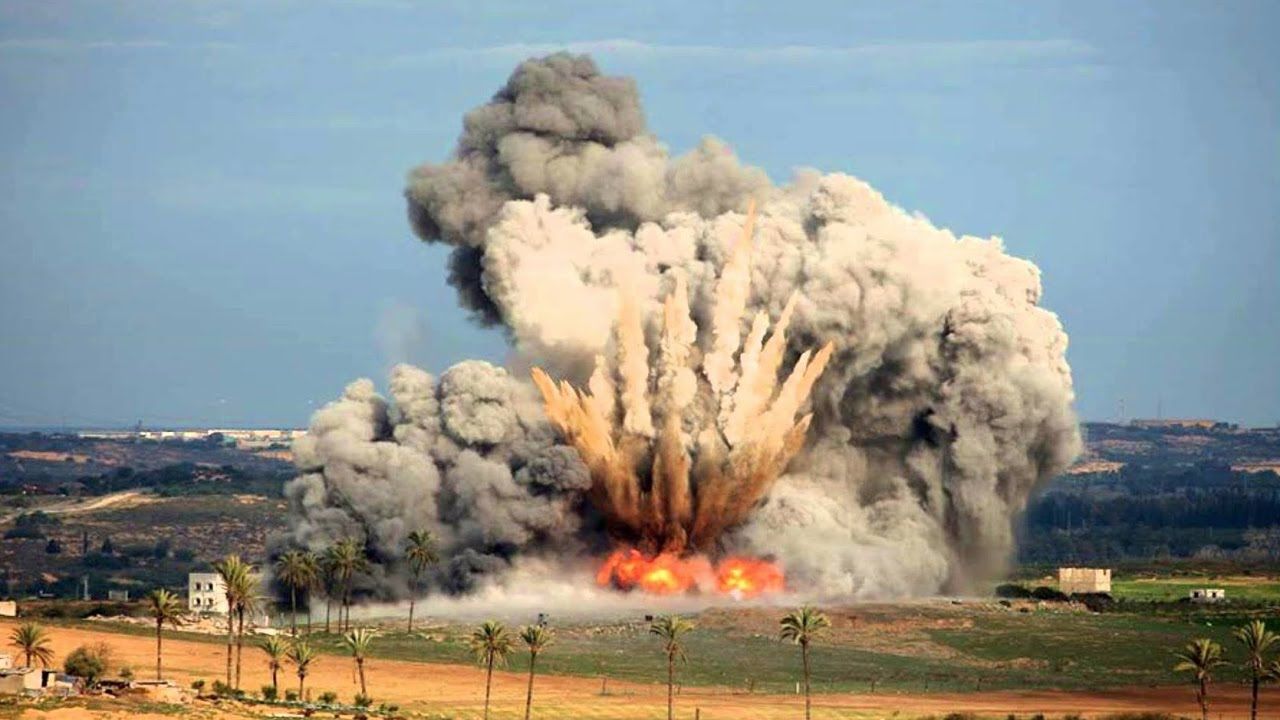
On this day in 2017, the U.S. military carried out one of the largest non-nuclear bomb strikes in its history, targeting an ISIS-controlled tunnel complex in eastern Afghanistan.
The weapon used was the GBU-43/B Massive Ordnance Air Blast, widely known as the “Mother of All Bombs,” or MOAB.
The Strike in Afghanistan
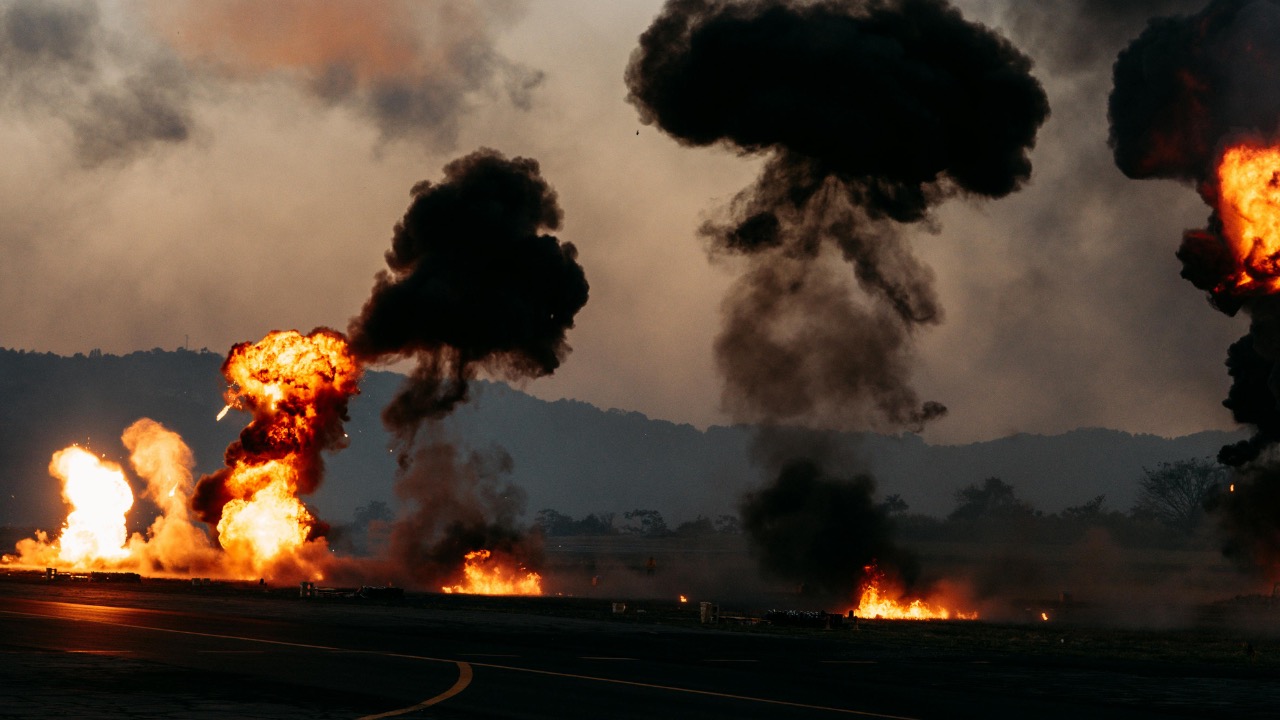
The bomb was dropped on an ISIS-K (Islamic State of Iraq and the Levant – Khorasan Province) position in the Achin district of Nangarhar Province, a remote mountainous region near the Pakistan border.
According to U.S. military statements at the time, the target was a complex of tunnels and caves used by ISIS fighters for movement, storage, and coordination.
The strike was carried out using a U.S. Air Force MC-130 aircraft.
What the MOAB Is
The GBU-43/B Massive Ordnance Air Blast is one of the most powerful non-nuclear bombs in the U.S. arsenal.
Unlike traditional bombs that penetrate targets, the MOAB is designed to create a massive blast wave, making it particularly effective against underground structures like caves and tunnels.
It is also notable for being GPS-guided and air-delivered rather than dropped from a traditional bomber.
Why It Was Used
U.S. officials at the time said ISIS fighters had been using an extensive tunnel network to move undetected and coordinate operations in the region.
Military planners determined the site was heavily fortified and difficult to clear using conventional ground operations without significant risk to U.S. and Afghan forces.
Immediate Aftermath
The strike reportedly destroyed much of the tunnel complex and killed multiple ISIS fighters, though exact casualty figures were never independently verified.
Afghan and U.S. officials described the operation as a tactical strike aimed at degrading ISIS capabilities in the region rather than signaling a broader escalation.
Global Reaction
The use of the MOAB drew widespread international attention due to its size and symbolic impact.
Some analysts viewed it as a demonstration of military capability, while others questioned the long-term strategic impact of using such a large conventional weapon in an already unstable region.
The Bigger Context
The strike occurred during ongoing counterterrorism operations in Afghanistan, where U.S. and coalition forces were still engaged in efforts to weaken ISIS-K and other militant groups operating in remote areas.
While the MOAB was rarely used, its deployment highlighted the challenges of targeting underground insurgent networks in difficult terrain.

Leo’s been tracking game and tuning gear since he could stand upright. He’s sharp, driven, and knows how to keep things running when conditions turn.