4 mistakes to avoid when pulled over at night
Nighttime traffic stops are tense for everyone involved. Limited visibility, fatigue and uncertainty about what comes next can turn a routine pull-over into a situation that feels far more dangerous than it needs to be. The difference often comes down to what a driver does in the first few minutes and, just as importantly, what they avoid doing.
Experts, officers and defense lawyers consistently describe the same handful of missteps that escalate risk after dark. Steering clear of these four mistakes can protect a driver’s safety, their rights and their chances of leaving the encounter with nothing worse than a ticket.
Mistake 1: Stopping in the wrong place and in the wrong way
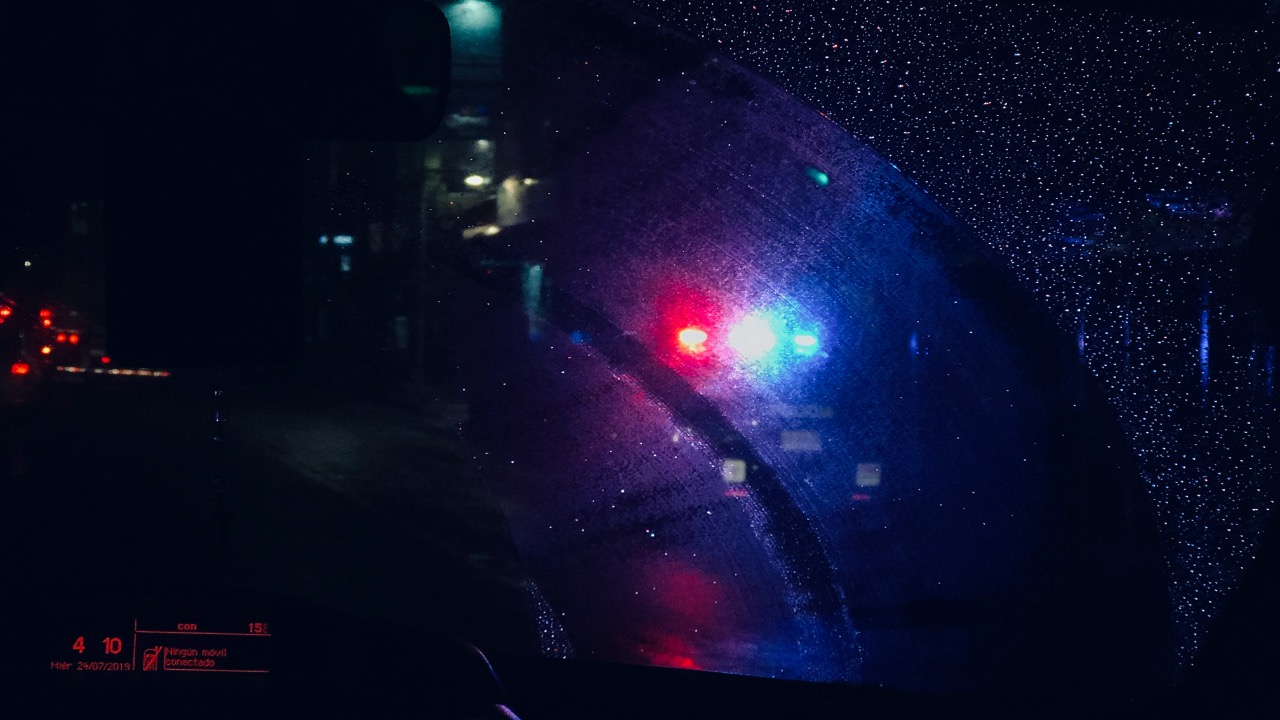
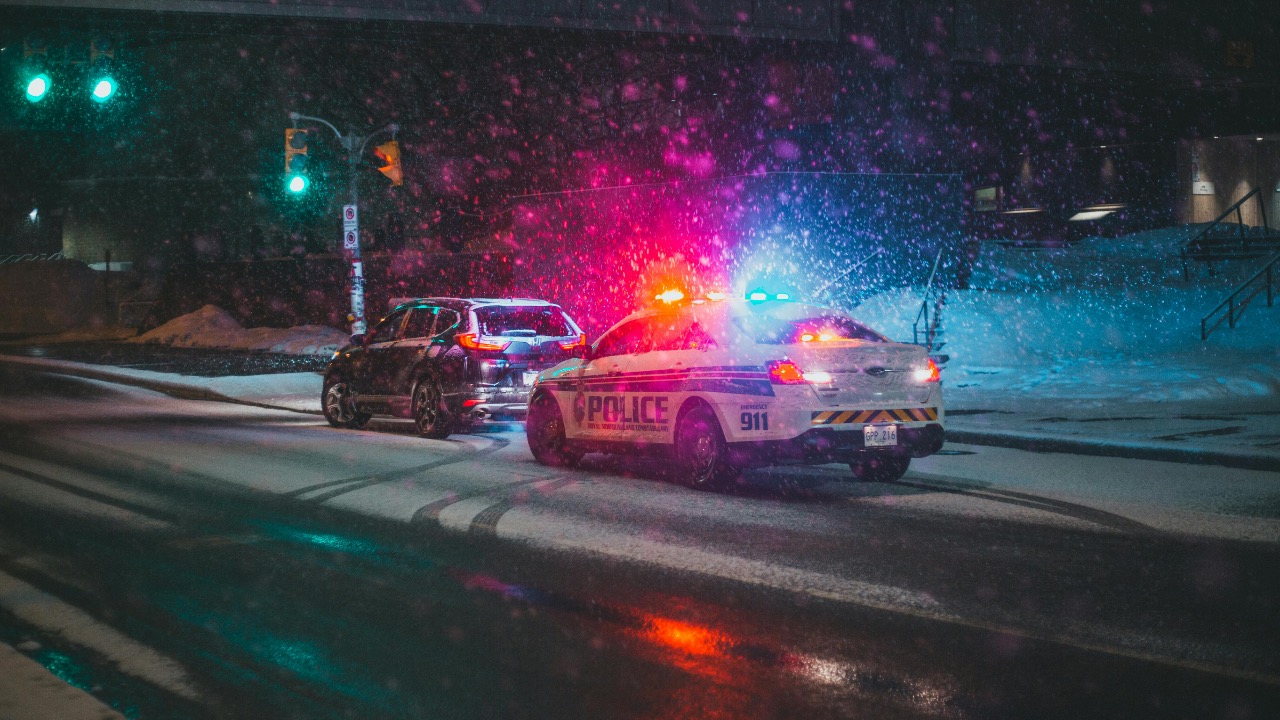
Where a driver chooses to stop at night can set the tone for the entire interaction. Guidance on traffic stops stresses that motorists should not leave their location to chance by slamming on the brakes the instant they see blue lights. Instead, they should slow down, signal and use that extra moment to reach a safe, visible area. One advisory explains that the place a driver pulls over shapes both safety and the officer’s perception, and that taking an extra minute to find proper lighting can matter more than any philosophical discussions about speed limits, a point highlighted in advice that warns drivers to never leave your to chance.
Legal analysts describe “Pulling Over Inappropriately” as one of the most common mistakes during traffic stops. Drivers who brake hard in a travel lane, stop on a blind curve or straddle the shoulder and roadway increase the risk of a rear-end collision and force officers to approach in a hazardous environment. One breakdown of traffic stop errors lists this behavior under “Pulling Over Inappropriately” and notes that even a short delay to reach a safer shoulder or nearby parking lot is preferable to a hasty stop in a dangerous spot, which is why it frames the problem as Pulling Over Inappropriately even when the driver thinks they are cooperating quickly.
Attorneys who focus on reckless driving cases at night emphasize that the first thing a motorist should do is confirm that the vehicle behind them is actually law enforcement and then prioritize safety. One Virginia resource advises that if an individual is being pulled over by law enforcement at night, safety is the primary concern, and that drivers should look for a well lit area or a wide shoulder where passing traffic is less likely to clip the stopped car. That guidance on night time stops reflects the reality that officers also want a location where they can see clearly and move around the vehicle without stepping into live traffic.
Traffic lawyers add that the way a driver executes the stop matters as much as the final location. One set of “dos and do nots” advises motorists to pull over slowly, avoid cutting anyone off and use turn signals so the officer and nearby drivers can anticipate the maneuver. That same guidance urges drivers not to slam on the brakes or make sudden lane changes, but instead to pull over slowly and predictably.
Nighttime stops also raise the question of whether a driver should continue a short distance to a better lit area. Defense attorneys who handle traffic cases explain that once a driver activates hazard lights, reduces speed and signals, most officers interpret the short delay as a safety choice rather than an attempt to flee. One guide framed the first rule as “Pull Over When The Cop Lights You Up” and urged drivers to respond promptly while still choosing a safe shoulder or exit. That advice, presented as “Pull Over When The Cop Lights You Up” in a list of ten tips, stresses that motorists should respond as soon as they see the flashing red and blue lights and then move calmly to a safer spot, a point captured in the reminder to Pull Over When and then think about positioning.
Mistake 2: Making sudden moves or digging around in the dark
Once the vehicle is stopped, officers and legal experts consistently warn against sudden movements inside the car, especially at night. A county guide titled “What You Should Do When You” are pulled over by the police instructs drivers to remain seated in their vehicle, keep their hands visible and, at night, turn on the interior light so the officer can see inside. That official advice on What You Should are stopped highlights how something as simple as an illuminated cabin can reduce tension.
Traffic stop training materials for officers echo that concern. One description of Fairfax traffic stops notes that there is a safety concern with the officers, especially at night, and that they want to be able to see and understand what a person is doing before they approach. That resource explains that officers worry when someone leans or reaches suddenly to grab something or make a sudden move, which is why it stresses that There is a with any unexpected motion inside the car.
Public legal guidance goes further and tells drivers to stay in the car unless directed otherwise and to avoid rummaging through pockets, bags or the glove compartment before the officer asks for documents. One legal encyclopedia notes that drivers should stay seated until instructed and warns that if someone starts digging through their back pocket or a compartment, the officer could suspect they are reaching for a weapon. That advice, which begins with “Also” and ends with “Finally” in its discussion of police stops, cautions against Also, stay in and avoid any movement that could be misread.
Social media guidance aimed specifically at women driving alone at night reinforces the same message. One widely shared reel, introduced with “Ladies, here’s a crucial driving tip,” tells viewers that if they feel uncertain when being pulled over by a police car at night, they should keep calm and focus on small details that matter to officers. That video highlights whether the officer can see where a driver’s hands are, whether they reach suddenly, whether they start digging through compartments and whether they keep looking away. It advises drivers to tell the officer before they move and to keep their hands visible, a message captured in the reminder that Ladies should think about where their hands are and whether they reach suddenly.
Criminal defense lawyers in Florida offer similar guidance with a local focus. One firm advises that once stopped, drivers should keep hands visible on the steering wheel where the officer can see them and that this simple gesture demonstrates cooperation. The same resource instructs drivers to inform the officer of their intentions before reaching for documents or a phone, a point summarized in the directive to Keep Hands Visible once the car is stopped.
Law enforcement training videos also warn against reaching around inside the vehicle. In one presentation, Officer Ryan Schuming of the Franco Police Department walks viewers through four things a person should not do during a traffic stop. He explains that reaching under the seat or into a bag before the officer arrives at the window can look like an attempt to hide contraband or access a weapon. That lesson from Officer Ryan Schuming reinforces why staying still, with hands in plain sight, is especially important at night when officers cannot easily see what is happening inside the car.
Mistake 3: Letting the car stay dark and confusing
Another common misstep during nighttime stops is leaving the vehicle in darkness. When officers approach a car at night, they are already working against limited visibility and glare from headlights. Several sources stress that turning on the interior dome light and reducing other distractions can dramatically change how safe the encounter feels for everyone.
County guidance on what drivers should do when pulled over by police specifically recommends turning on the interior light so the officer can see clearly inside the car. That same document, which outlines how motorists should remain seated and keep hands visible, links the interior light to officer safety and reduced suspicion. The instruction to turn on your is presented as a simple step that can calm the entire situation.
Defense attorneys in Florida have taken that idea and turned it into a specific nighttime tip. One video aimed at drivers in that state explains that if someone is being pulled over at night in Florida, a single step can make a big difference: pulling safely to the right, turning off the engine and turning on interior lights so the officer can see inside. The lawyer in that clip argues that this choice signals cooperation and reduces the officer’s anxiety, and the advice is framed as something drivers in Florida should treat as routine whenever they are pulled over at night.
Social media safety tips echo that lighting can change how officers interpret a driver’s behavior. The same reel that addresses women who feel uncertain at night emphasizes whether the officer can see into the vehicle, including where a driver’s hands are and whether they keep looking away. Turning on the dome light, putting the phone face down and pausing music or navigation alerts can help the officer focus on the driver’s words and body language rather than trying to peer into a dark cabin.
Legal commentators also warn that leaving the car dark while making other movements, like leaning across the front seat or reaching toward the glove box, can heighten suspicion. When the officer cannot see clearly, even innocent actions may be interpreted as attempts to hide something. That is why several guides recommend that drivers wait until the officer reaches the window, explain what they are about to do, then move slowly and deliberately while the interior is lit.
Some attorneys extend this logic to the exterior of the vehicle. They suggest that drivers should turn off high beams, keep hazard lights on if they had used them while pulling over and avoid opening the door unless instructed. These small choices, combined with interior lighting, create a more predictable environment for the officer and reduce the chance of miscommunication.
Mistake 4: Talking themselves into trouble instead of protecting their rights
The final mistake that surfaces repeatedly in legal guidance is a verbal one. Many drivers try to talk their way out of a ticket and end up providing information that makes a citation or even an arrest more likely. Traffic lawyers and legal educators stress that a respectful, calm tone is essential, but that drivers also have the right to avoid self incriminating statements.

Leo’s been tracking game and tuning gear since he could stand upright. He’s sharp, driven, and knows how to keep things running when conditions turn.